Your Sustainable Home Starts Here: Everyday Upgrades That Make a Difference
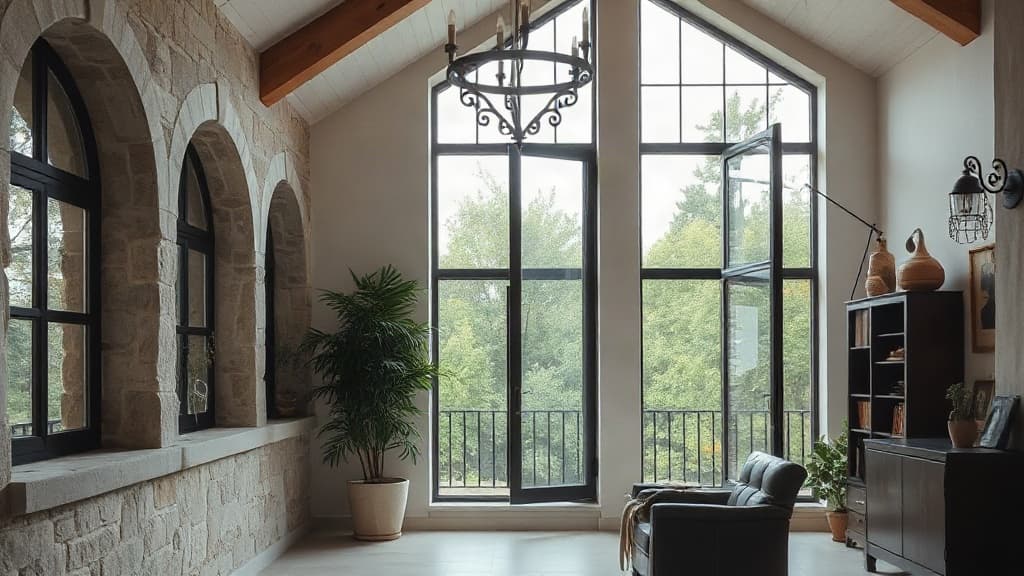
When we think of sustainable architecture, visions of futuristic, net-zero homes often come to mind. But true sustainability is as much about the conscious evolution of our existing homes as it is about groundbreaking new builds. For the homeowner, embracing a more sustainable lifestyle doesn’t require a complete overhaul; it begins with intentional, practical upgrades that enhance comfort, reduce environmental impact, and often lead to significant long-term savings.
The most impactful changes often start with the building's envelope. A home that leaks energy is an ongoing financial and environmental drain. A simple yet profound first step is a professional energy audit, which acts as a diagnostic tool, pinpointing exactly where your home is losing heat in winter or cool air in summer. Armed with this knowledge, targeted interventions become clear. Sealing gaps around windows and doors with weatherstripping, adding insulation in accessible attics, and even installing thermal-backed curtains can dramatically improve thermal efficiency. These are not glamorous renovations, but they form the essential, unseen foundation of a sustainable home, reducing reliance on mechanical heating and cooling systems from the start.
Moving indoors, sustainable solutions seamlessly blend with thoughtful design. Consider the lifecycle of the materials you introduce. Opting for locally sourced, natural, or recycled materials—like reclaimed wood for shelving or regional stone for a bathroom vanity—reduces transportation emissions and supports circular economies. Water conservation is another critical pillar. Installing low-flow faucets and showerheads, and opting for dual-flush toilets, can cut household water use by nearly half without sacrificing performance. Furthermore, embracing a ‘water-wise’ landscape with native, drought-tolerant plants reduces outdoor water demand and creates a habitat-friendly garden.
Technology also offers elegant solutions for the modern eco-conscious homeowner. Smart thermostats learn your schedule and adjust temperatures for efficiency, while smart plugs can eliminate ‘phantom loads’ from electronics on standby. For those considering a larger investment, upgrading to energy-efficient appliances (look for the ENERGY STAR label) or installing a solar water heater can yield substantial returns. Remember, sustainability is a journey of incremental improvements. Each mindful choice, from the paint on your walls (choose low-VOC) to the way you manage light (maximize natural light with strategic mirrors), contributes to a healthier home and planet. To continue exploring how intelligent design intersects with environmental responsibility, see more Magazine stories.
Read Also
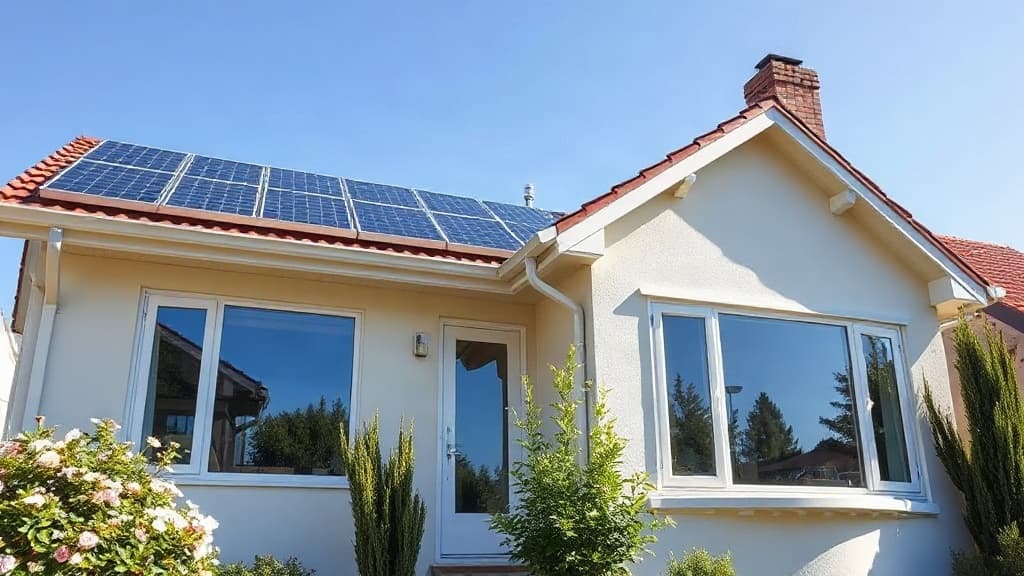
How to Make Your Home More Energy Efficient: 10 Practical Upgrades
Learn 10 specific, effective ways to reduce your energy bills, from sealing air leaks to choosing the right appliances.
When Inspiration Meets Earth: Building Solutions with Global Roots
From repurposed fishing nets to ancient wind towers, discover how global vernacular wisdom is fueling today's most innovative and beautiful sustainable architecture.
The Silent Dialogue of Architecture: How Materials, Light, and Detail Converse
Beyond efficiency, true sustainability emerges from the eloquent conversation between enduring materials, sculpted light, and meticulous detail, creating spaces that are both timeless and responsible.