How to Make Your Home More Energy Efficient: 10 Practical Upgrades
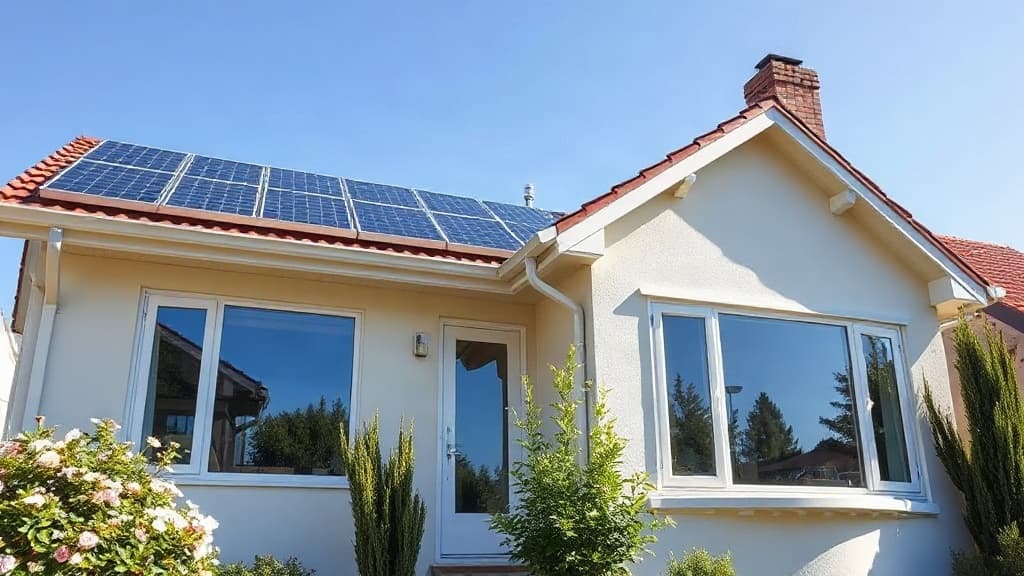
Making your home more energy efficient is a direct way to lower your utility bills and increase comfort. The process focuses on blocking heat transfer, reducing wasted power, and upgrading key systems. You don't need a full renovation; many impactful changes are simple and affordable.
1. Seal Air Leaks First
Air leaks around windows, doors, and where walls meet floors or ceilings are the biggest source of energy loss in most homes. These drafts force your heating and cooling systems to work much harder. Begin by inspecting the perimeter of windows and doors for gaps you can feel with your hand. A common mistake is sealing only obvious spots and missing less visible ones, like where the foundation meets the framing.
Use weatherstripping for moveable joints, like the sides of windows and doors. For fixed gaps and cracks, apply a flexible, paintable acrylic latex caulk. For larger gaps around pipes, wires, or in attics, use expanding foam sealant. These materials are widely available and a single tube can seal many small leaks. This is the most cost-effective first step.
2. Upgrade Your Attic Insulation
Heat rises, and without proper attic insulation, a huge amount of warmth escapes in winter. In summer, a hot attic radiates heat down into your living spaces. The recommended insulation level for attics is an R-value of R-38 to R-60, which is typically about 30-40 cm (12-16 inches) of fiberglass or cellulose material.
If your attic has less than 15 cm (6 inches) of insulation, adding more is a highly effective upgrade. You can often do this yourself by laying batts or rolling out blankets of insulation between the ceiling joists. For existing insulation, you can also hire a professional to blow in loose-fill cellulose or fiberglass. Ensure you don't cover attic vents or soffits when adding insulation, as proper ventilation is crucial to prevent moisture problems.
3. Install a Programmable or Smart Thermostat
Heating and cooling account for nearly half of a typical home's energy use. A programmable thermostat automatically lowers the heat or raises the air conditioning when you are asleep or away, saving energy without sacrificing comfort when you are home. A common rule of thumb is that you can save up to 10% per year by adjusting your thermostat by 7-10 degrees Fahrenheit (4-6 degrees Celsius) for 8 hours a day.
Modern smart thermostats take this further by learning your schedule and allowing remote control via a smartphone app. Some models can also detect when you have left the house and adjust accordingly. The installation is often as simple as connecting a few wires to a wall plate, but always turn off power to your HVAC system at the breaker first. The payback period on this upgrade is usually less than two years.
4. Replace Old Windows or Use Storm Panels
Single-pane windows, especially aluminum-framed ones, are poor insulators. If replacing all windows is not in your budget, consider adding storm windows or interior window insulating kits. These create a dead air space that dramatically reduces heat transfer. A more permanent solution is upgrading to double- or triple-pane windows with low-emissivity (low-E) coatings and argon gas fill.
When choosing new windows, look for the Energy Star label and check the U-factor (which measures insulation) and Solar Heat Gain Coefficient (SHGC). For colder climates, a low U-factor is most important. A common mistake is installing a window with the wrong SHGC for your climate, which can lead to overheating in summer. Proper installation is also key; a high-performance window installed poorly will still leak air and energy.
5. Switch to LED Lighting Throughout
Lighting can account for 10-15% of your electricity bill. Replacing old incandescent and CFL bulbs with LEDs is one of the fastest upgrades. LED bulbs use at least 75% less energy and last 25 times longer. They are now available in all standard bulb shapes, base types, and color temperatures, from warm white to cool daylight.
Focus first on fixtures used for several hours a day, like kitchen ceiling lights, living room lamps, and outdoor security lights. A typical 60-watt incandescent bulb can be replaced by a 9-watt LED that provides the same light output (lumens). Unlike CFLs, LEDs turn on instantly, work well with dimmers (check the bulb packaging), and don't contain mercury. The initial cost is higher, but the energy savings pay for the bulb within a year or two of typical use.
6. Audit and Upgrade Your Water Heater
Water heating is another major energy user. Lowering your water heater's thermostat to 49°C (120°F) is a safe and effective way to save energy and prevent scalding. For older tank-style heaters, adding an insulated blanket (available at hardware stores) can reduce standby heat loss, but check your manufacturer's instructions first as some newer models are already well-insulated.
For a more substantial upgrade, consider a tankless (on-demand) water heater or a heat pump water heater. Tankless models heat water only when you need it, eliminating standby losses, and are ideal for homes with natural gas. Heat pump water heaters are electric models that are 2-3 times more efficient than standard electric resistance heaters, but they need to be installed in a space with adequate air volume. Simple habits, like fixing leaky faucets and installing low-flow showerheads, also reduce hot water demand.
7. Use Ceiling Fans Strategically
Ceiling fans don't lower the room temperature; they cool people by creating a wind-chill effect. This allows you to set your thermostat 2-4 degrees higher in summer while feeling just as comfortable. Ensure your fan blades are rotating counterclockwise during summer to push air down. In winter, switch the direction to clockwise at a low speed to gently push warm air that collects at the ceiling down the walls.
A common mistake is leaving fans on in unoccupied rooms, which wastes electricity. Fans cool people, not spaces, so turn them off when you leave. Choose Energy Star-rated ceiling fan models, which are 60% more efficient on average due to improved motor and blade design. For the best effect, the bottom edge of the fan blades should hang about 2.4 meters (8 feet) from the floor and 30 cm (12 inches) from the ceiling.
8. Choose Energy Star Appliances at Replacement Time
When an old appliance needs replacing, choosing an Energy Star-certified model is a smart investment. These appliances meet strict energy efficiency guidelines set by the U.S. Environmental Protection Agency. A new Energy Star refrigerator, for example, uses about 15% less energy than non-certified models, while an Energy Star clothes washer uses about 25% less energy and 33% less water.
Focus on the appliances that use the most energy: refrigerators, clothes washers, dryers, and dishwashers. Look for specific features like heat pump technology in dryers (which reuses hot air) and soil sensors in dishwashers that adjust the cycle length. While the upfront cost may be higher, the operating savings over the 10-15 year lifespan of an appliance will usually offset the initial price difference. For more ideas like this, explore our full list of more Building Solutions & Sustainability ideas.
9. Manage Phantom Power Loads
Many electronics and appliances draw power even when switched "off" or in standby mode. This "phantom load" or "vampire power" can add up to 10% of your household electricity use. Common culprits are televisions, cable boxes, game consoles, computers, phone chargers, and microwave ovens with digital clocks.
Plug these devices into advanced power strips, which can cut power to peripheral devices when a main device is turned off. For example, a power strip for your entertainment center can turn off the DVD player, game console, and speakers when you turn off the TV. Alternatively, make it a habit to unplug chargers and small appliances when not in use. Smart plugs can also be programmed to turn devices on and off on a schedule, eliminating the standby draw automatically.
10. Consider Solar Control Window Films
In sunny climates, a significant amount of heat enters through windows, increasing air conditioning costs. Solar control window films are a less expensive alternative to window replacement. These thin, tinted sheets are applied directly to the interior glass surface. They reject a portion of the sun's heat and ultraviolet rays, reducing fading on furniture and lowering indoor temperatures.
Look for films with a high Total Solar Energy Rejection (TSER) percentage. A medium to dark tint film can reject 40-60% of the sun's heat. It's crucial to check local building codes and, for some double-pane windows, consult the manufacturer, as some films can affect the thermal stress on the glass. Professional installation is recommended for a bubble-free, long-lasting application, especially on large windows.
Key takeaways
Start with air sealing and adding attic insulation, as these offer the best return on investment. Replace all light bulbs with LEDs and install a programmable thermostat for immediate savings. When appliances fail, upgrade to Energy Star models. Small behavioral changes, like using power strips and ceiling fans correctly, cost nothing but significantly reduce waste.
Frequently Asked Questions
What is the cheapest way to make my home more energy efficient?
The cheapest first step is air sealing with caulk and weatherstripping to block drafts around windows and doors. Next, replace all light bulbs with LEDs, which use 75% less energy. Finally, use advanced power strips to eliminate phantom power loads from electronics, which costs nothing if you already own the strips.
How much can I save by adding attic insulation?
Adding proper attic insulation can reduce heating and cooling costs by 10-15% in many homes. If your attic has less than 15 cm (6 inches) of insulation, adding more to reach the recommended R-38 level is one of the most cost-effective upgrades, often paying for itself within a few years through lower energy bills.
Are smart thermostats worth the money?
Yes, programmable and smart thermostats are generally worth the investment. By automatically adjusting temperatures when you are asleep or away, they can save up to 10% on heating and cooling annually. Smart models offer additional savings through learning schedules and remote control, with a typical payback period of under two years.
Do solar window films really work?
Solar control window films are effective at reducing heat gain through windows, which can lower air conditioning costs. A quality film can reject 40-60% of the sun's solar heat. They are a good option for sunny climates and older, single-pane windows, but check with your window manufacturer before applying them to modern double-pane units.
Read Also
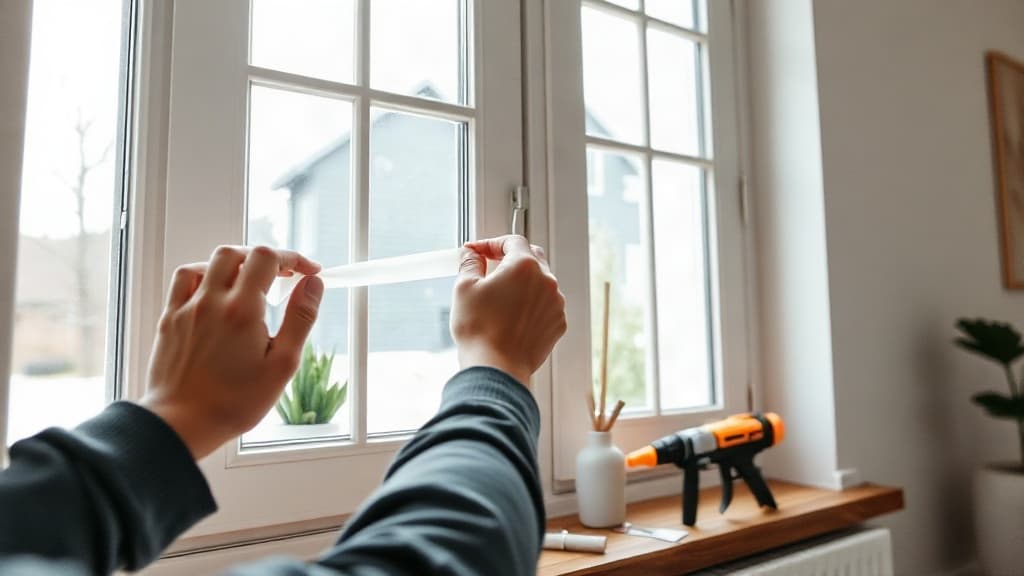
How to Make Your Home More Energy Efficient: 8 Upgrades
Learn eight specific upgrades to reduce your energy bills and improve your home's performance, from insulation to appliance choices.
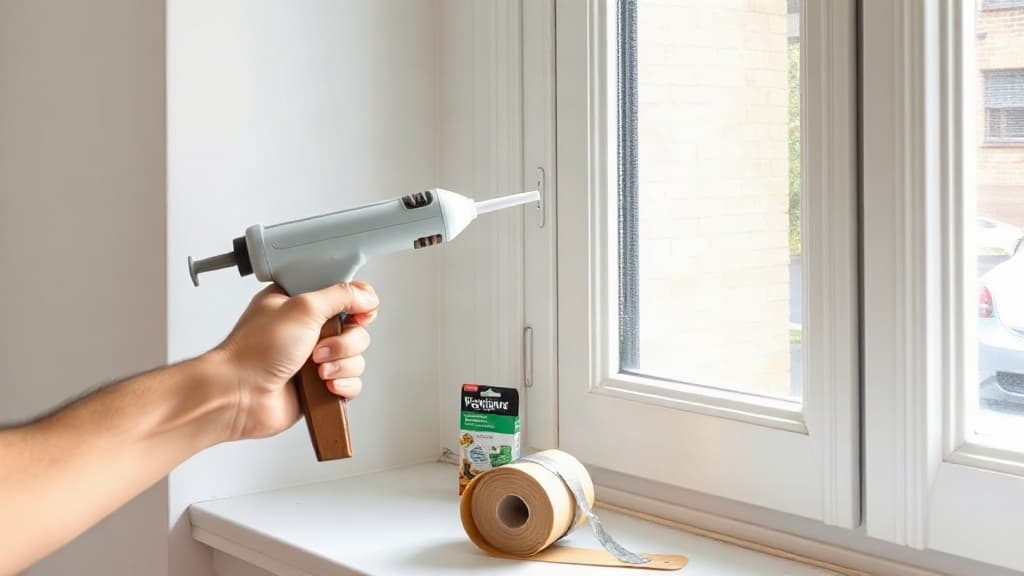
How to Make Your Home More Energy Efficient: 9 Practical Steps
Learn nine specific upgrades to reduce your energy bills, from sealing air leaks to choosing the right appliances. These steps are practical for homeowners and renters.
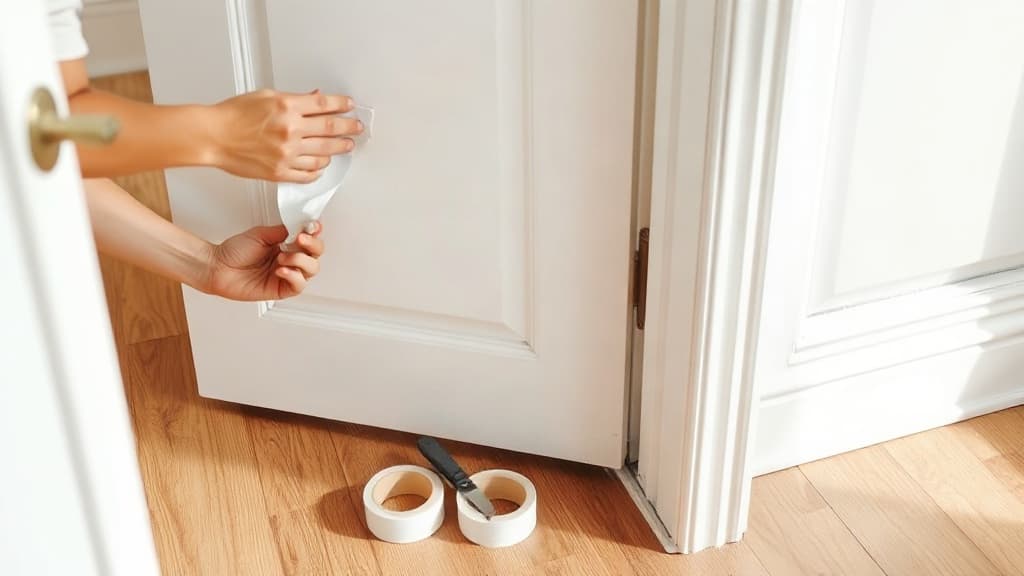
How to Make Your Home More Energy Efficient
Learn practical steps to reduce your home's energy use, save on bills, and improve comfort with specific building and equipment upgrades.