How to Make Your Home More Energy Efficient: 8 Upgrades
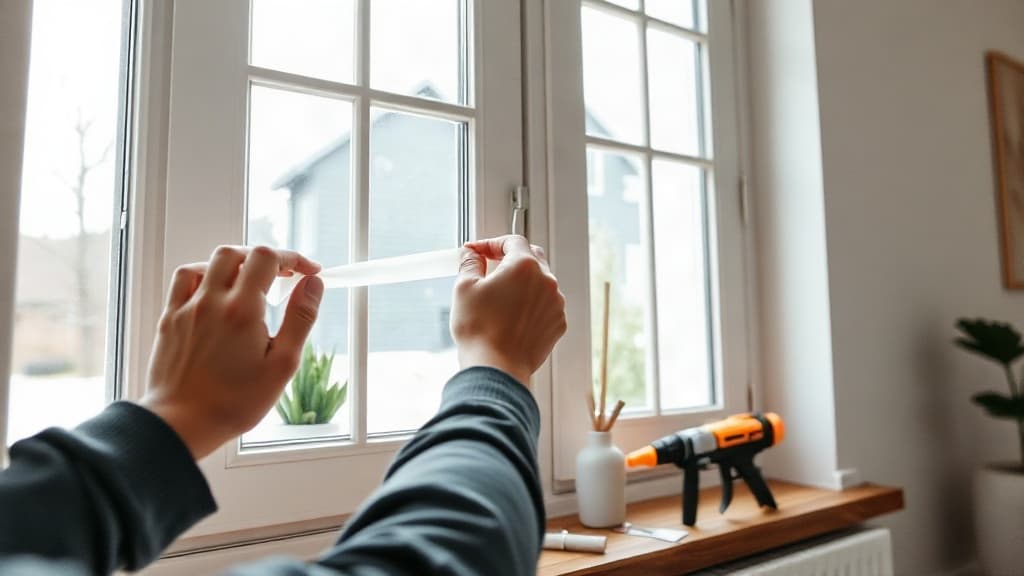
Making your home more energy efficient starts with sealing air leaks and improving insulation. These two steps prevent heated or cooled air from escaping, which can cut your energy use by 15% or more. You do not need to rebuild your house. Focus on the building envelope, your heating and cooling systems, and your daily habits.
1. Seal air leaks around windows and doors
Air leaks are the biggest source of energy waste in most homes. Check for drafts around window frames, exterior doors, and where pipes or wires enter the house. Use caulk to seal stationary cracks and gaps. For moving parts like windows and doors, apply weatherstripping. A common mistake is sealing a door so tightly it becomes difficult to open; leave a small clearance for smooth operation.
For larger gaps, like around a dryer vent or where a cable enters a wall, use expanding foam sealant. Pay special attention to the attic hatch or door, as warm air rises and escapes there. Sealing these leaks is a low-cost task you can complete in a weekend with basic tools from a hardware store. The materials cost less than buying a new appliance.
2. Upgrade your attic and wall insulation
Insulation slows the transfer of heat. In cold climates, it keeps warmth inside. In hot climates, it keeps heat out. The recommended insulation level for attics in most regions is an R-value of R-38 to R-60, which is about 30 to 40 cm (12 to 16 inches) of fiberglass or cellulose. If you have less than 15 cm (6 inches), adding more is a priority.
Walls are harder to insulate after construction, but blown-in cellulose can be added through small holes drilled from the inside or outside. For a simpler fix, use rigid foam insulation panels on basement walls or in crawl spaces. A typical mistake is compressing insulation, which reduces its R-value. It should be fluffy and fill the cavity completely without gaps.
3. Install efficient windows or use window films
If your windows are single-pane or old double-pane models, they are a major source of heat loss. Replacing them with double or triple-pane low-emissivity (Low-E) windows is the most effective solution. The air gap between the panes and the Low-E coating reflect heat back into the room. Look for a U-factor rating of 0.30 or lower.
For a more affordable upgrade, apply insulating window film. This transparent film adheres to the glass and can reduce heat transfer. In summer, use exterior shading like awnings or plant deciduous trees on the sun-facing side. Closing blinds and curtains at night in winter adds another insulating layer. Never place furniture like a sofa directly against a cold exterior wall with a window, as it creates a cold spot.
4. Service your heating and cooling systems
A furnace or air conditioner loses efficiency when its filters are dirty and its components are not maintained. Change your furnace filter every one to three months. A dirty filter makes the fan work harder, using more electricity. Have a professional service your HVAC system once a year to clean the coils, check refrigerant levels, and ensure airflow is correct.
When replacing a system, choose a high-efficiency model. Look for an Annual Fuel Utilization Efficiency (AFUE) rating above 90% for furnaces, and a Seasonal Energy Efficiency Ratio (SEER) of 16 or higher for air conditioners. Also, seal the ducts that run through unconditioned spaces like attics, using mastic sealant or metal-backed tape, not standard duct tape.
5. Switch to a smart or programmable thermostat
A programmable thermostat automatically lowers the heat or raises the air conditioning when you are asleep or away. Setting the temperature 7-10 degrees Fahrenheit (4-6 degrees Celsius) lower for 8 hours a day can save about 10% on heating and cooling. A smart thermostat learns your schedule and can be controlled remotely.
Place the thermostat on an interior wall, away from direct sunlight, drafts, doorways, and heat sources like lamps. Do not set it to an extreme temperature thinking it will heat or cool the house faster; systems work at one speed. A steady, programmed setting is more efficient.
6. Use energy-efficient lighting and appliances
Replace incandescent and halogen light bulbs with LEDs. An LED bulb uses at least 75% less energy and lasts 25 times longer. For appliances, look for the ENERGY STAR label when purchasing refrigerators, washing machines, and dishwashers. An ENERGY STAR certified refrigerator uses about 15% less energy than non-certified models.
Use your appliances wisely. Run your washing machine and dishwasher only with full loads, and use cold water for laundry when possible. Clean the lint filter in your dryer after every load to improve airflow. Position your refrigerator away from heat sources like ovens and direct sunlight, and leave a 5 cm (2 inch) clearance behind it for ventilation.
7. Reduce water heating costs
Water heating is a large part of your energy bill. Lower your water heater's thermostat to 49°C (120°F). This is hot enough for most uses and prevents scalding. Insulate your hot water pipes and the tank itself with a pre-cut insulating jacket, especially if the tank is in an unheated space like a garage.
For bigger savings, consider a tankless (on-demand) water heater. It heats water only when you need it, eliminating standby energy loss. If you have an older tank model, draining a quart of water from the drain valve every six months removes sediment that makes the heater less efficient. For more Building Solutions & Sustainability ideas, explore our dedicated section.
8. Conduct a home energy audit
A professional home energy audit identifies exactly where your home is wasting energy. The auditor uses tools like a blower door test to measure air leakage and a thermal infrared camera to see missing insulation and cold spots in walls. They provide a detailed report with a list of recommended upgrades, often prioritized by cost and payback period.
You can also do a basic audit yourself. On a windy day, carefully feel for drafts with your hand. Check insulation levels in the attic. Look at your utility bills over the past two years to see your usage patterns. This audit gives you a clear plan, so you do not spend money on upgrades that will not give you the best return.
Looking for more? Browse more Building Solutions & Sustainability ideas.
Key takeaways
Sealing air leaks and adding attic insulation offer the fastest return on investment. Maintain your HVAC system with regular filter changes and annual servicing. Replace lighting with LEDs and choose ENERGY STAR appliances. A programmable thermostat manages temperature automatically for consistent savings.
Frequently Asked Questions
What is the cheapest way to make my home energy efficient?
Sealing air leaks with caulk and weatherstripping is the cheapest first step. Next, adding more insulation to your attic if it's thin. Changing furnace filters regularly and switching to LED light bulbs also cost very little and provide immediate savings on your electricity bill.
Does replacing windows really save energy?
Yes, but seal air leaks first. If your windows are single-pane or drafty, replacing them with double-pane Low-E windows significantly reduces heat transfer. For a lower-cost option, try insulating window film. The savings depend on your climate and how many windows you replace.
What temperature should I set my thermostat to save energy?
In winter, set it to 20°C (68°F) when awake and lower by 4-6°C (7-10°F) when asleep or away. In summer, set it to 25°C (78°F) when home and higher when away. A programmable thermostat automates this, saving about 10% on heating and cooling annually.
How much can I save with energy efficient appliances?
An ENERGY STAR certified refrigerator uses about 15% less energy than a standard model. An efficient washing machine uses 25% less energy and 33% less water. Look for the yellow EnergyGuide label to compare annual operating costs between models before you buy.
Read Also
How to Make Your Home More Energy Efficient: 9 Practical Steps
Learn nine specific upgrades to reduce your energy bills, from sealing air leaks to choosing the right appliances. These steps are practical for homeowners and renters.
How to Make Your Home More Energy Efficient
Learn practical steps to reduce your home's energy use, save on bills, and improve comfort with specific building and equipment upgrades.
When Inspiration Meets Earth: Building Solutions with Global Roots
From repurposed fishing nets to ancient wind towers, discover how global vernacular wisdom is fueling today's most innovative and beautiful sustainable architecture.