How to Make Your Home More Energy Efficient: 9 Practical Steps
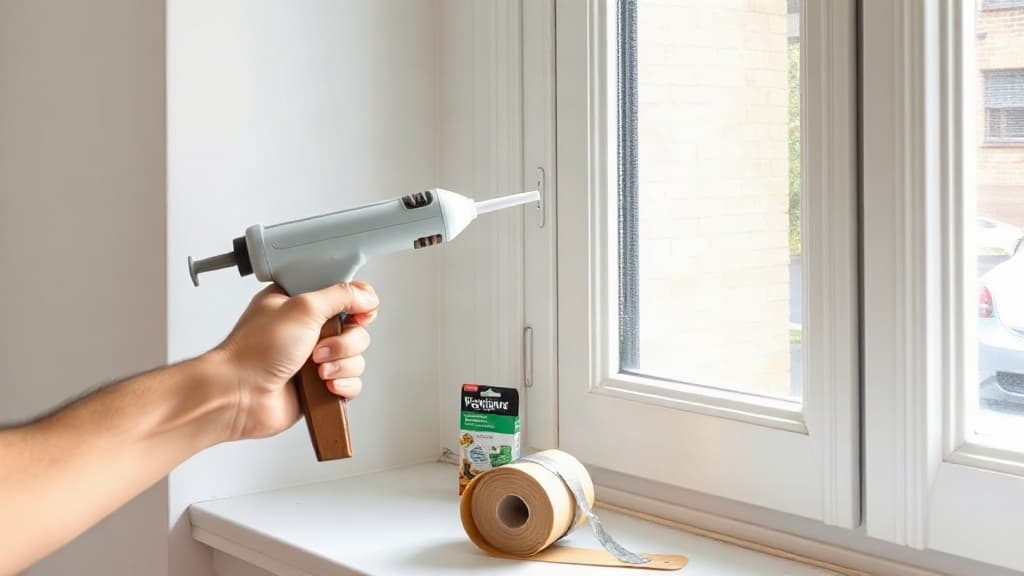
Making your home more energy efficient reduces utility bills and increases comfort. The process involves a series of specific, manageable upgrades focused on sealing air leaks, improving insulation, and upgrading key systems. You do not need to do everything at once; start with the changes that offer the biggest savings for your climate and budget.
1. Seal air leaks around windows and doors
Air leaks are the single biggest source of energy waste in most homes. They let conditioned air escape and outside air in, forcing your heating and cooling systems to work harder. The most common leaks are found around window and door frames, where gaps can be 3-5 mm (1/8-1/4 inch) wide. Use caulk for stationary cracks and weatherstripping for moving parts like doors. Do not forget to check where pipes, wires, and ducts enter your walls, as these are major leak points.
A common mistake is sealing a home too tightly without considering ventilation for moisture and indoor air quality. In modern, well-sealed homes, you may need to use exhaust fans in kitchens and bathrooms more deliberately. After sealing, you can test your work on a windy day by holding a lit incense stick near sealed areas; if the smoke wavers, you have found a leak. This step alone can reduce heating and cooling costs by 10-20%.
2. Upgrade attic and wall insulation
Insulation acts as a blanket for your home, slowing the transfer of heat. Inadequate insulation in attics and walls is a primary reason for high energy use. For attics, the recommended insulation level (R-value) is typically R-38 to R-60, which translates to about 30-40 cm (12-16 inches) of fiberglass or cellulose. Check your existing insulation depth with a ruler. If you can see the ceiling joists, you definitely need more.
Walls are trickier to insulate in an existing home. One effective method is blown-in cellulose or fiberglass, which requires small holes to be drilled into the wall cavities from the outside or inside. For a simpler project, focus on insulating the attic hatch or pull-down stairs, which are often completely uninsulated. Adding a foam board cover and weatherstripping can make a significant difference. Proper insulation keeps rooms at a more stable temperature year-round.
3. Install a programmable or smart thermostat
A thermostat controls when your heating and cooling systems run. A basic manual thermostat requires you to remember to adjust it when you leave or go to sleep. A programmable model automates this, allowing you to set a schedule. For example, you can program it to lower the heat by 7-10 degrees Fahrenheit (4-6 degrees Celsius) for 8 hours while you are at work or asleep, which can save about 10% a year.
Smart thermostats take this further by learning your schedule and allowing remote control via a phone app. They can also provide reports on your energy use. Install the thermostat on an interior wall, away from direct sunlight, drafts, doorways, and heat-producing appliances like lamps or televisions. This ensures it reads the room's true average temperature. Avoid setting the fan to 'on' continuously, as this uses more electricity; use the 'auto' setting instead.
4. Switch to LED lighting throughout the house
Lighting accounts for about 15% of a home's electricity use. Replacing all incandescent and compact fluorescent (CFL) bulbs with LEDs is one of the fastest payback upgrades. LEDs use at least 75% less energy and last 25 times longer than incandescent bulbs. They are now available in a wide range of color temperatures, from warm white (2700K) for living areas to cool white (5000K) for task lighting.
When buying LEDs, look for the lumens rating, not watts, to judge brightness. A 60-watt incandescent equivalent is about 800 lumens. For best results, use dimmable LEDs with compatible dimmer switches, as not all are. Start by replacing bulbs in fixtures used for several hours a day, like kitchen ceiling lights and living room lamps. Do not forget exterior security and porch lights, which often use outdated, high-wattage bulbs.
5. Maintain your heating and cooling systems
Your HVAC system is the largest energy user in your home. Simple maintenance improves its efficiency by 10-15%. Change the air filter every 1-3 months, especially during peak heating and cooling seasons. A dirty filter restricts airflow, making the system work harder. For central air conditioners, clean the outdoor condenser coil annually by removing debris and gently hosing it down.
Have a professional technician perform a full system tune-up once a year. They will check refrigerant levels, test for leaks, clean coils and blower components, and ensure the system is operating at its rated efficiency. If your furnace or air conditioner is over 15 years old, consider replacing it with a modern, high-efficiency model. Look for a SEER rating of 16 or higher for air conditioners and an AFUE rating of 95% or higher for furnaces.
6. Use window treatments to control heat gain and loss
Windows are weak points for thermal control. In winter, heat escapes through glass; in summer, sunlight pours in and heats up rooms. Effective window treatments can mitigate this. For winter, use heavy, insulated curtains with a tight weave. Close them at night to create an air pocket that reduces heat loss. Ensure the curtains extend beyond the window frame and touch the floor or sill to seal the edges.
In summer, use reflective blinds or shades, especially on south- and west-facing windows, to block solar heat gain. Exterior awnings or shade screens are even more effective. For a permanent solution, consider installing storm windows or applying a low-emissivity (low-E) window film. This transparent coating reflects infrared heat while letting in visible light. It can reduce heat gain by up to 70% in summer and reduce heat loss in winter.
7. Upgrade to energy-efficient appliances
When older appliances fail, replace them with ENERGY STAR certified models. These are independently certified to use significantly less energy. The biggest savings come from refrigerators, clothes washers, and dishwashers. A new ENERGY STAR refrigerator uses about 15% less energy than non-certified models. For laundry, a front-loading washer uses less water and energy, and a heat-pump dryer can cut drying energy use by up to 50%.
When shopping, compare the yellow EnergyGuide label, which shows estimated yearly operating costs. Size matters: a refrigerator that is too large for your needs wastes energy. For water heating, which is another major energy cost, consider a tankless (on-demand) heater if your hot water use is moderate. For larger families, a heat-pump water heater is the most efficient option, though it requires installation in a space with sufficient air volume.
8. Reduce phantom load from electronics
Phantom load, or standby power, is the electricity devices consume when they are turned off but still plugged in. This can account for 5-10% of your home's energy use. Common culprits are televisions, game consoles, computer monitors, chargers, and kitchen appliances with digital clocks. The simplest solution is to plug these devices into a power strip and switch the strip off when the devices are not in use.
For items that need to stay on, like a wireless router or DVR, plug them into a separate, always-on outlet. Smart power strips can automate this process by cutting power to peripheral devices when a main device (like a TV) is turned off. Make a habit of unplugging laptop and phone chargers once the device is fully charged. These small actions add up to noticeable savings on your electricity bill over a year.
9. Conduct a home energy audit
A home energy audit is a systematic assessment of where your home is losing energy. You can perform a basic DIY audit using online checklists from energy agencies. Walk through your home with a notepad, looking for drafts, checking insulation, and inspecting appliances. For a more thorough analysis, hire a professional auditor. They use tools like blower doors, which depressurize your home to reveal leaks, and thermal imaging cameras to show cold spots in walls.
The auditor provides a detailed report prioritizing upgrades based on cost and projected savings. Many utility companies offer subsidized or free energy audits. The report gives you a clear roadmap, so you do not waste money on upgrades that will not yield the best return. It is the smart first step before making major investments. For further guidance, explore our archive for more Building Solutions & Sustainability ideas.
Key takeaways
Seal air leaks around windows, doors, and penetrations first, as this is often the most cost-effective step. Upgrade attic insulation to at least R-38 and replace all lighting with LEDs for immediate savings. Schedule annual HVAC maintenance and use a programmable thermostat to automate temperature setbacks. An energy audit provides a personalized plan to tackle the most impactful upgrades for your specific home.
Frequently Asked Questions
What is the first thing I should do to make my home energy efficient?
The first step is to find and seal air leaks. Check around windows, doors, and where pipes or wires enter your home. Use caulk for stationary gaps and weatherstripping for moving parts. This simple task can reduce heating and cooling costs by 10-20% and is very cost-effective.
Is it worth replacing old windows for energy efficiency?
Replacing single-pane windows with double-pane, low-E windows improves comfort and saves energy. However, it is a high-cost upgrade. A more affordable first step is to seal leaks around existing windows and add storm windows or insulating window treatments. Address insulation and air sealing first for better return.
How much can I save with a programmable thermostat?
A programmable thermostat can save about 10% per year on heating and cooling. You save by automatically lowering the temperature when you are asleep or away. Setting it back 7-10°F (4-6°C) for 8 hours a day achieves these savings without compromising comfort when you are home.
Do energy-efficient appliances really make a difference?
Yes, especially for large, frequently used appliances. An ENERGY STAR certified refrigerator uses about 15% less energy than a standard model. A heat-pump dryer can cut drying energy by 50%. When replacing an old appliance, always choose an ENERGY STAR model and check the EnergyGuide label for estimated yearly costs.
Read Also
How to Make Your Home More Energy Efficient: 8 Upgrades
Learn eight specific upgrades to reduce your energy bills and improve your home's performance, from insulation to appliance choices.
How to Make Your Home More Energy Efficient
Learn practical steps to reduce your home's energy use, save on bills, and improve comfort with specific building and equipment upgrades.

When Inspiration Meets Earth: Building Solutions with Global Roots
From repurposed fishing nets to ancient wind towers, discover how global vernacular wisdom is fueling today's most innovative and beautiful sustainable architecture.