The Silent Dialogue of Architecture: How Materials, Light, and Detail Converse
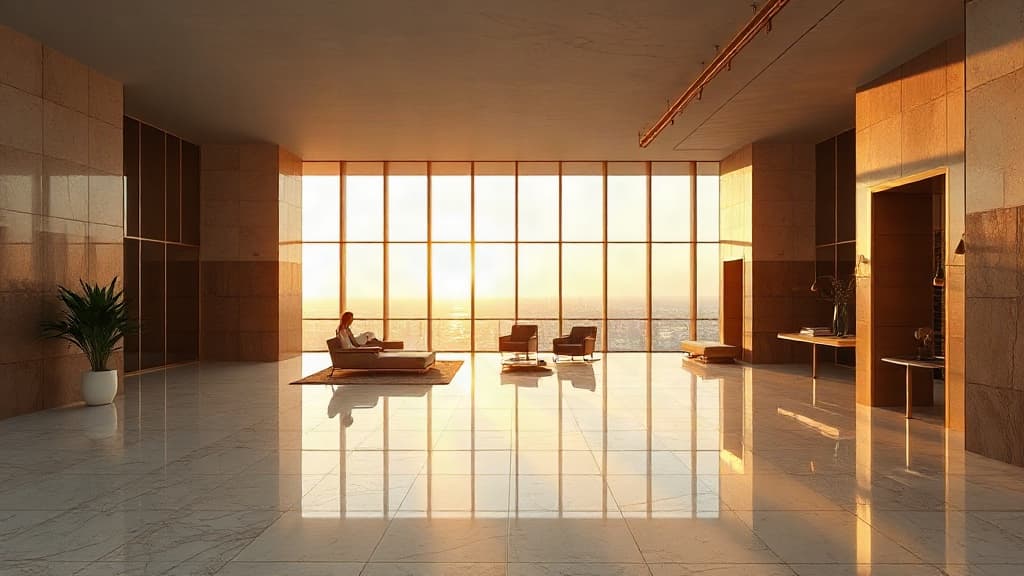
In the quest for sustainable architecture, the dialogue often centers on efficiency metrics and technological systems. Yet, the most profound solutions—those that endure not just in structure but in spirit—are whispered through a more fundamental language. It is a silent, potent conversation between the materials we choose, the light we harness, and the details we sculpt. This triad forms the core of a truly sustainable ethos, one that builds for longevity, harmony, and sensory resonance.
Materials are the foundational vocabulary. Moving beyond generic 'green' labels, a thoughtful selection speaks of provenance and permanence. Locally sourced stone or reclaimed timber reduces embodied carbon while telling a story of place. The patina of natural materials like terracotta, lime plaster, or aged brass evolves gracefully, embracing time rather than fighting it. This intrinsic durability is sustainability's first principle: to build once, and build well. The choice of a rammed earth wall or a terrazzo floor is not merely aesthetic; it is a commitment to a lifecycle measured in generations, not renovation cycles.
Light, however, is the grammar that animates this material vocabulary. Passive solar design is its most eloquent application, where orientation, shading, and aperture are meticulously calculated. A deep overhang shields a south-facing glass wall, allowing winter sun to penetrate while deflecting summer heat. But sustainable light is also poetic. It is the way a clerestory window washes a textured plaster wall, defining form without a watt of electricity, or how a carefully placed skylight transforms a stairwell into a journey of shifting shadows. This mastery of natural illumination reduces dependency on artificial systems, creating spaces that feel inherently alive and connected to the circadian rhythms of the day.
Detail is the punctuation that gives this dialogue meaning and precision. It is the junction where materials meet, sealed not just against the elements but against obsolescence. A perfectly crafted window reveal that eliminates thermal bridging; a custom bronze handle that feels solid in the hand, promising decades of use; the shadow gap where a wall meets the floor, celebrating the separation of elements. These are the moments where craft intersects with performance. They demand more initial thought and investment but pay infinite dividends in performance, repair avoidance, and enduring beauty. It is in these details that the building’s sustainable soul is most vividly expressed—not as an added feature, but as the essence of its making.
Ultimately, when material, light, and detail speak in unison, they create architecture that transcends mere shelter. They craft environments that conserve resources by their very nature, age with dignity, and nurture well-being. This holistic approach is the quiet revolution in building sustainably. To explore further perspectives on this foundational philosophy, we invite you to see more Magazine stories.
Read Also
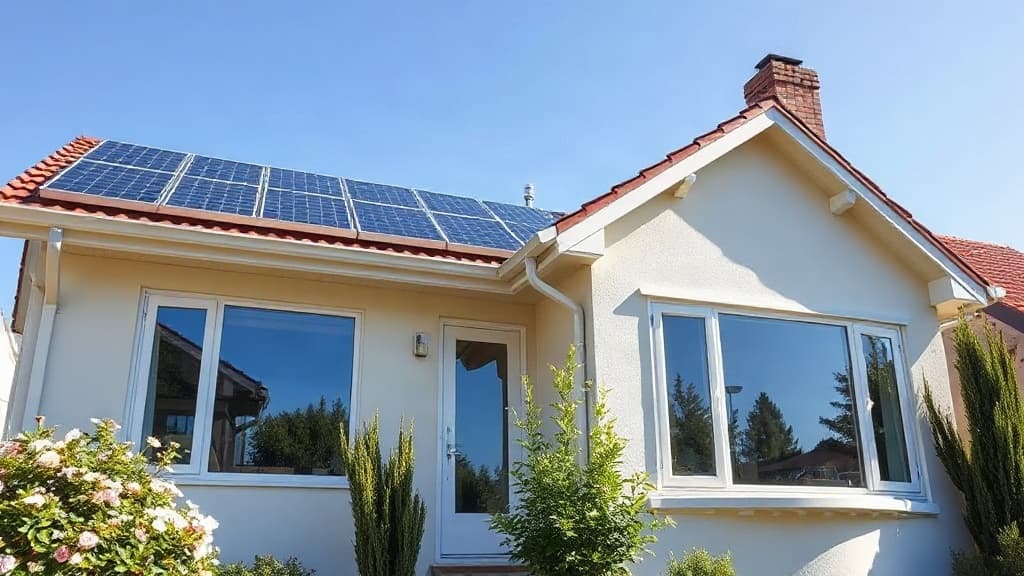
How to Make Your Home More Energy Efficient: 10 Practical Upgrades
Learn 10 specific, effective ways to reduce your energy bills, from sealing air leaks to choosing the right appliances.
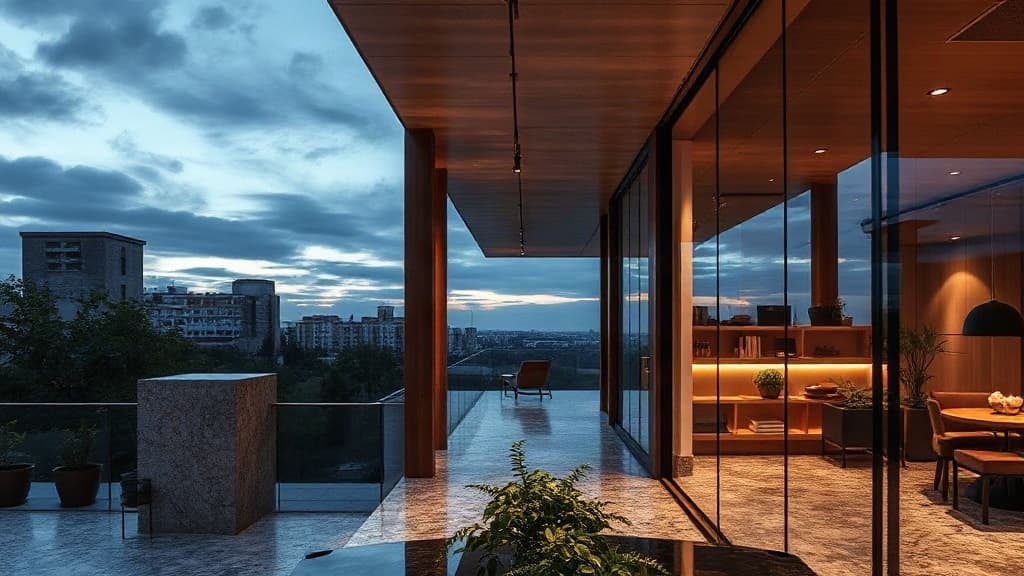
When Inspiration Meets Earth: Building Solutions with Global Roots
From repurposed fishing nets to ancient wind towers, discover how global vernacular wisdom is fueling today's most innovative and beautiful sustainable architecture.
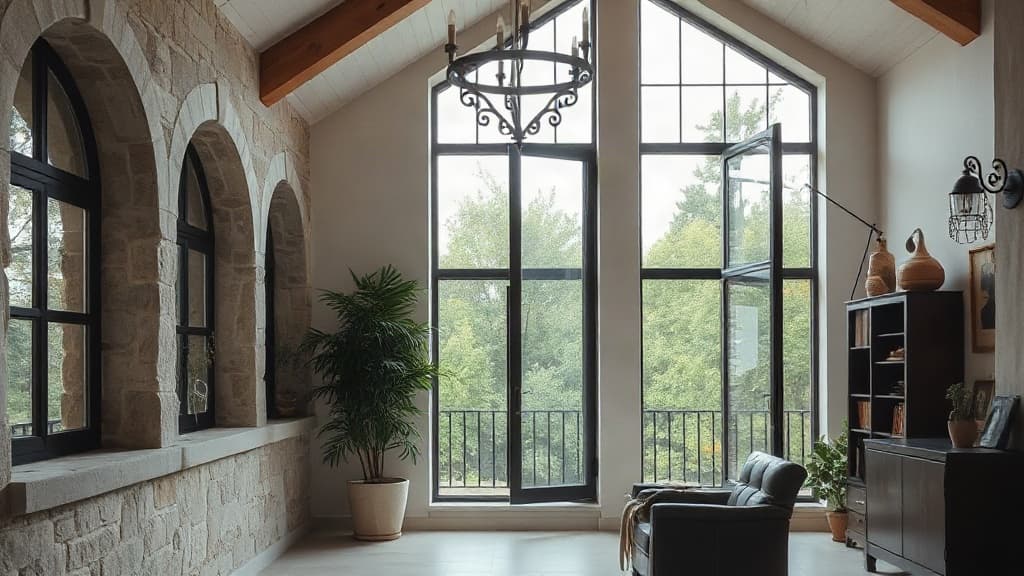
Your Sustainable Home Starts Here: Everyday Upgrades That Make a Difference
Sustainability isn't just a buzzword for new builds. Discover practical, actionable upgrades any homeowner can implement to enhance comfort, save money, and build a greener future.