Beyond The Warehouse: When Rustic Warmth Meets Industrial Edge
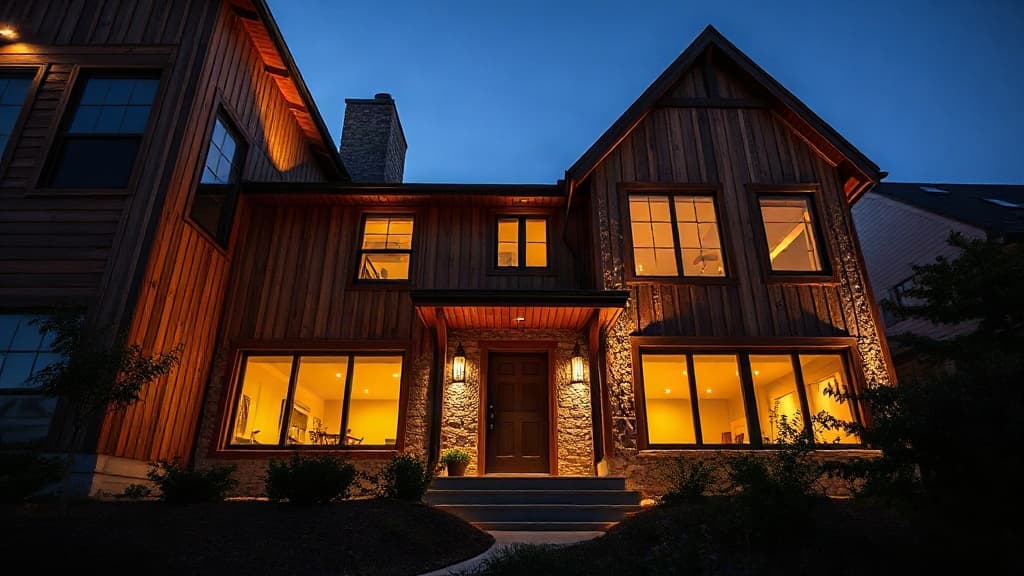
Industrial and rustic styles, often discussed in isolation, find their most compelling voice in unison. This fusion is not a mere clash of textures but a deliberate conversation between the raw and the refined. The story is no longer confined to converted factories or remote cabins; it unfolds in modern apartments, suburban homes, and commercial spaces where history and warmth are woven into contemporary life. It’s a design philosophy that values authenticity, celebrates the marks of time, and creates environments with soul.
Inspiration often stems from a desire for honesty. The industrial element brings forth the beauty of structural truth—exposed brick, visible ductwork, concrete floors, and steel beams. It speaks of function, of a building’s unadorned skeleton. Rustic style, by contrast, introduces the patina of life and nature. Weathered wood, hand-forged iron, natural fibers, and organic imperfections tell a story of craft and the passage of time. When combined, these elements create a rich, layered narrative. The cool, sleek lines of a steel-framed window are softened by the deep, grainy texture of a reclaimed oak table beneath it. An exposed concrete wall becomes a dramatic canvas for a collection of antique, hand-carved wooden tools.
Real-world applications demonstrate this synergy’s versatility. Consider a city loft where a massive, original timber beam—a rustic relic—spans a room lit by minimalist industrial pendant lights. Or a kitchen where sleek, stainless steel appliances (an industrial staple) are anchored by a farmhouse sink and open shelving made from barn wood. The magic lies in balance. Too much industrial can feel cold and sterile; too much rustic might veer into quaint or themed. The goal is an intentional curation where each material’s inherent quality is respected. A polished concrete floor gains warmth from a thick, hand-woven rug. A vintage factory cart becomes a unique coffee table next to a plush, linen sofa.
Ultimately, this style thrives on contrast and character. It’s for those who appreciate the elegance of a weld seam as much as the irregular grain of a wood slab. It proves that design can be both robust and intimate, both historical and resolutely present. To understand its full range, we invite you to see more Styles stories.
Read Also
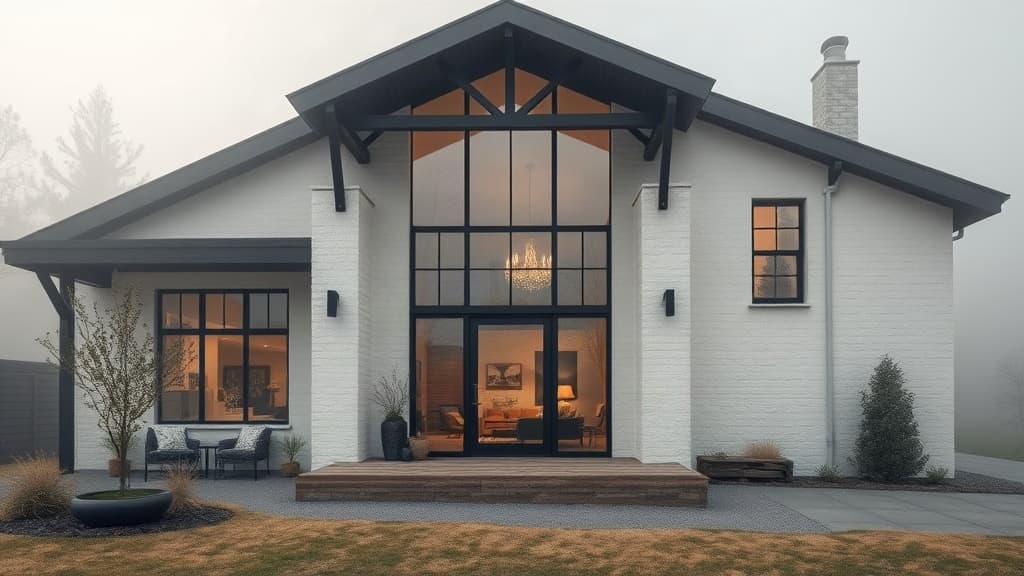
Industrial & Rustic Style: 5 Practical Tips for Real Homes
Learn how to authentically integrate the rugged charm of industrial and rustic aesthetics into your living space, balancing raw textures with home comfort.
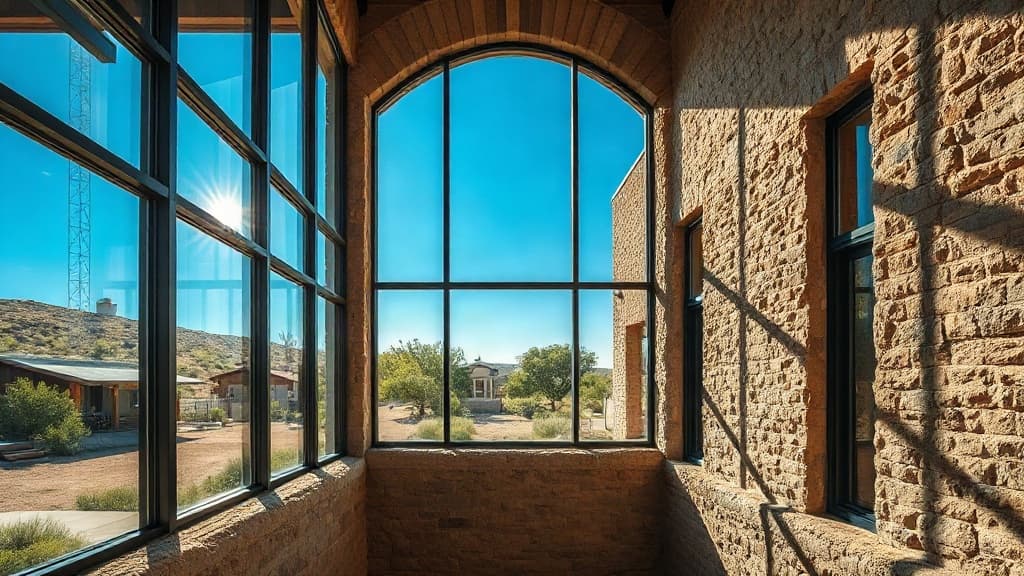
Material Truths: How Light Sculpts Rustic & Industrial Character
Industrial and rustic design reveals its soul not through applied ornament, but through the honest interplay of its foundational elements: Materials, Light, and Detail.
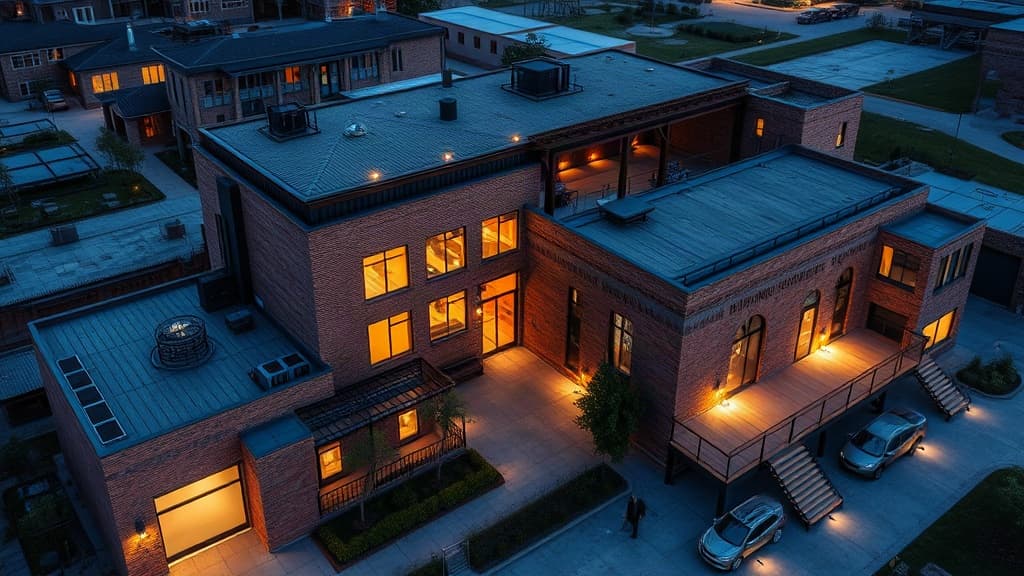
The Raw Appeal: Foundational Principles of Industrial & Rustic Style
An exploration of the core tenets that define and distinguish the raw, textured world of Industrial and Rustic design.