Industrial & Rustic Style: 5 Practical Tips for Real Homes
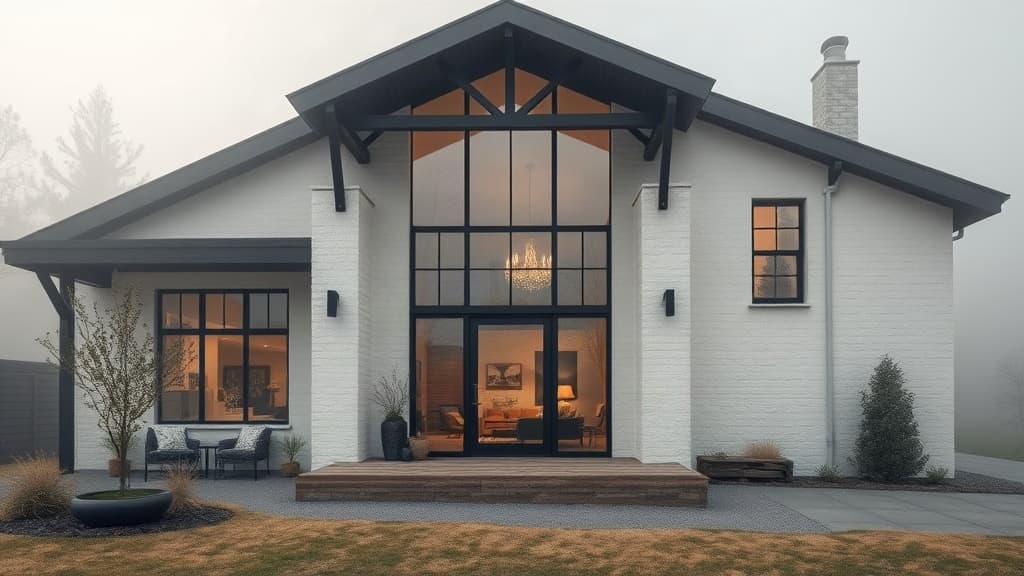
The fusion of industrial and rustic styles speaks to a yearning for authenticity and resilience in our homes. It’s a celebration of raw materials, honest textures, and a connection to the past, all while fostering a warm, lived-in atmosphere. For homeowners, this isn't about recreating a factory loft or a mountain cabin, but about weaving elements of both into a cohesive, personal, and—most importantly—functional sanctuary. The key lies in a thoughtful blend of the rugged and the refined.
Start with the architectural canvas. Exposed structural elements like beams, ductwork, or brick walls form the industrial backbone. If your home lacks these, consider strategic additions: a reclaimed wood ceiling beam or a section of faux brick veneer can set the tone. For the rustic layer, introduce natural, often distressed, materials. Wide-plank flooring in oak or walnut, or a statement wall clad in stacked stone or shiplap, adds organic warmth. The magic happens in the contrast—the cool, linear metal of an industrial beam against the warm, irregular grain of a rustic wood panel.
Furniture and lighting should serve this dialogue between the two styles. Seek out pieces with clean, functional lines inspired by industrial design—think metal-framed sofas, leather club chairs, or a sturdy workbench repurposed as a dining table. Pair these with rustic accents: a coffee table crafted from a thick slab of live-edge wood, or chairs with woven seats. Lighting is your most powerful tool. Industrial-style pendants with exposed bulbs, cage lights, or articulated task lamps provide focal points. Complement them with softer, rustic-inspired lighting, such as a chandelier made from antlers or wrought iron, or clusters of candles in vintage glass jars to cast a warm, ambient glow.
Finally, curate your décor with intention. Accessories are where personality shines, but restraint is crucial. Display utilitarian objects with patina—old factory carts, metal toolboxes, or vintage gauges. Introduce textiles in natural fibers like wool, linen, and cotton in neutral or earthy tones to soften hard surfaces. Live plants in simple terracotta or concrete pots add a vital, organic touch. Remember, this style thrives on a sense of history; each piece should feel collected over time, not bought in a single set. For more inspiration on blending these foundational aesthetics, see more Styles stories.
Ultimately, successfully marrying industrial and rustic elements comes down to balance and authenticity. Let the materials tell their story, prioritize comfort, and allow your space to evolve organically. The result is a home that feels both grounded and inspiring, perfectly attuned to modern life.
Read Also
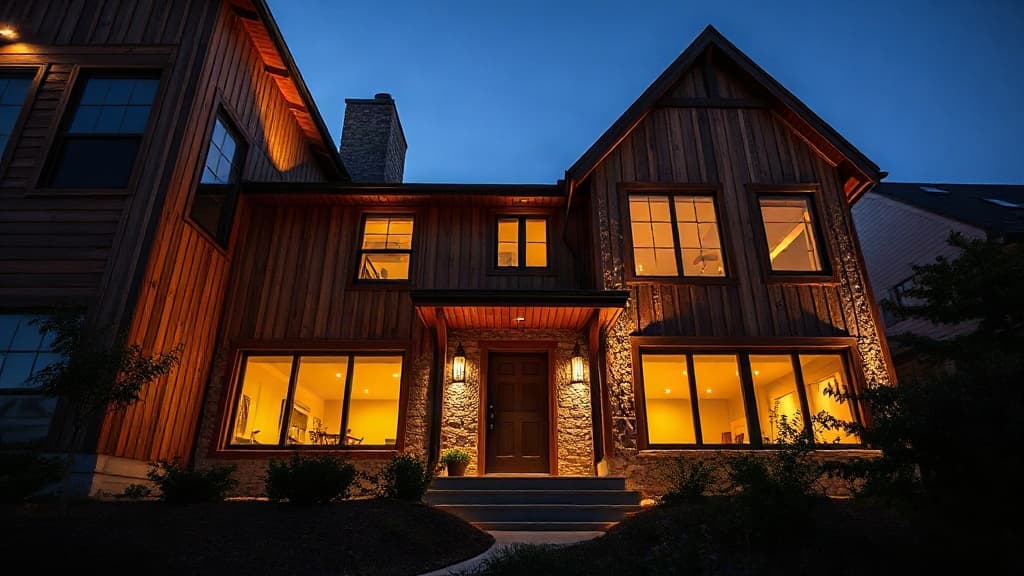
Beyond The Warehouse: When Rustic Warmth Meets Industrial Edge
Exploring how the fusion of industrial and rustic aesthetics creates spaces that feel both authentic and lived-in, moving beyond mere trend into enduring character.
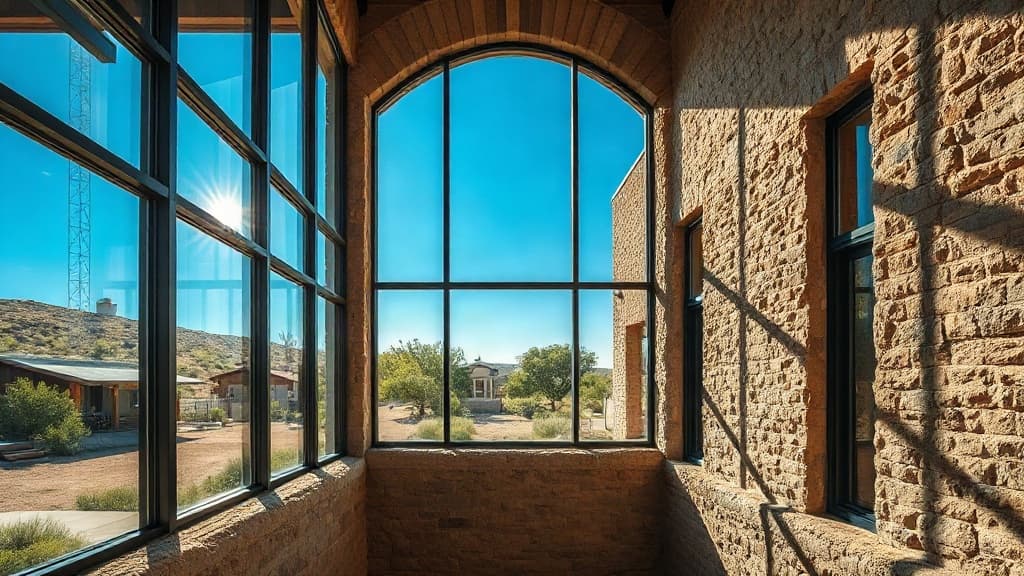
Material Truths: How Light Sculpts Rustic & Industrial Character
Industrial and rustic design reveals its soul not through applied ornament, but through the honest interplay of its foundational elements: Materials, Light, and Detail.
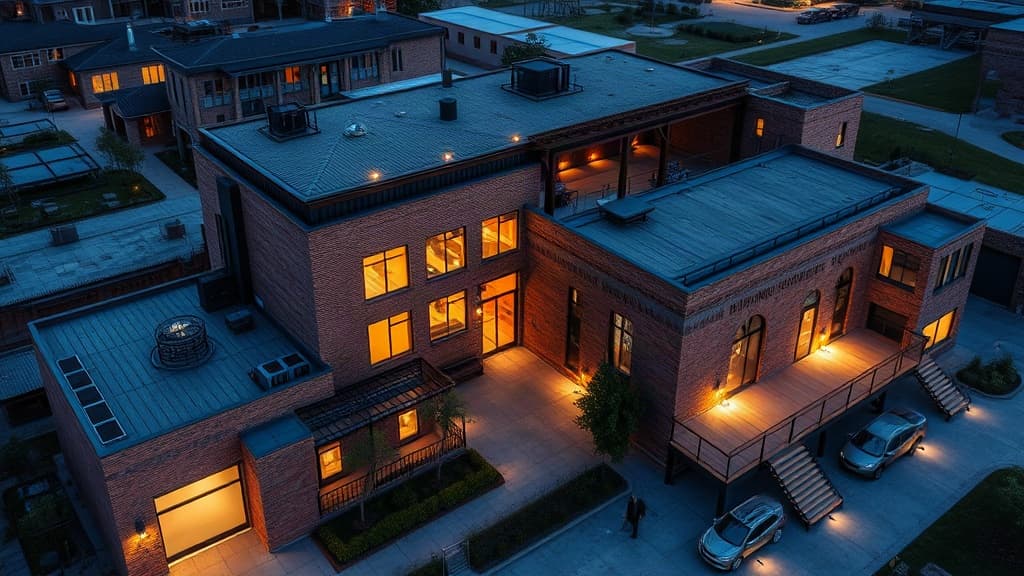
The Raw Appeal: Foundational Principles of Industrial & Rustic Style
An exploration of the core tenets that define and distinguish the raw, textured world of Industrial and Rustic design.