Material Truths: How Light Sculpts Rustic & Industrial Character
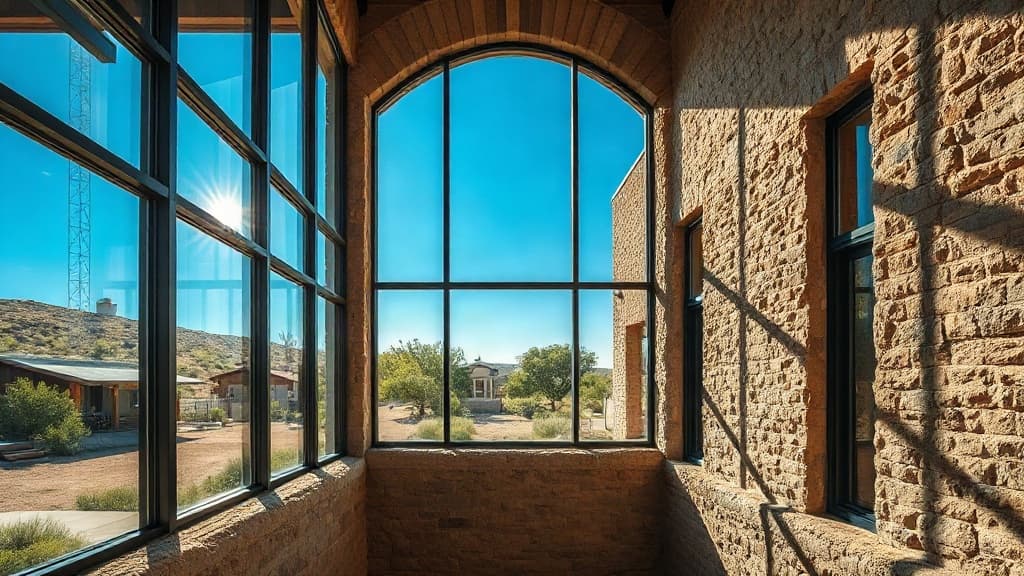
Industrial and rustic styles speak a language of authenticity, a narrative told not by decoration but by the inherent properties of their core components. Where many aesthetics seek to conceal, these styles celebrate the raw, the weathered, and the true. This integrity is born from a deliberate and masterful orchestration of three fundamental forces: the tactile weight of Materials, the transformative power of Light, and the eloquence of intentional Detail. It is a philosophy of design that finds beauty in the unvarnished and grace in the functional.
The dialogue between material and light is the cornerstone of this aesthetic. Industrial style venerates the unadorned strength of forged metals, raw concrete, and reclaimed timber. These are not passive surfaces; they are active participants. A shaft of daylight glancing off a polished steel beam creates a sharp, graphic line, while the same light, diffused through a linen curtain, will coax out the deep, honeyed grains and knotty imperfections of a century-old barnwood panel. Rustic design leans into this textural conversation, where light pools in the grooves of hand-hewn wood and casts long shadows across rough stone, animating surfaces with a sense of history and place. The choice of material dictates how light is received, reflected, or absorbed, painting the space with an ever-changing palette of shadow and luminance.
Detail in this context is not about addition, but revelation. It is the decision to leave structural elements—exposed ductwork, brickwork, or ceiling joists—proudly visible. It is the precise craftsmanship of a blacksmith’s weld or the organic irregularity of a mortar joint. In rustic iterations, detail manifests in the hand-forged iron of a door handle, the unique patina of a leather armchair, or the subtle variation in handmade clay tiles. These are not minor accents; they are the fingerprints of the design, the points where the human hand and the material’s character meet. They demand a closer look, rewarding observation with a story.
Ultimately, to design in the industrial and rustic vein is to engage in a process of curation and emphasis. It asks us to see the structural poetry in a steel I-beam and the sculptural quality in a chunk of flintstone. By foregrounding materials, harnessing light as a defining tool, and treating detail as narrative, we create spaces that feel grounded, honest, and profoundly resonant. The true luxury lies in this authenticity. For a deeper exploration of how foundational elements define design character, see more Styles stories.
Read Also
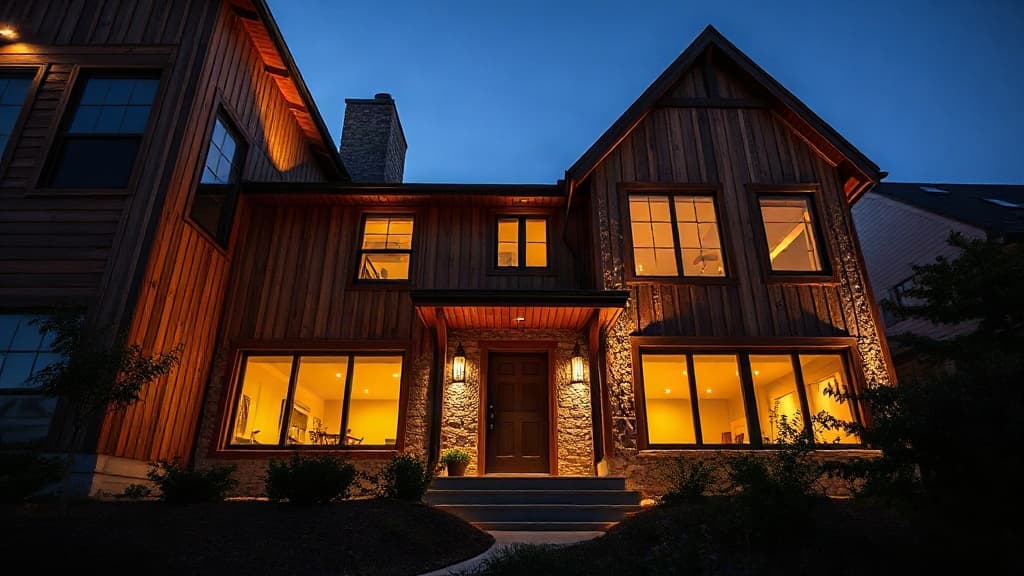
Beyond The Warehouse: When Rustic Warmth Meets Industrial Edge
Exploring how the fusion of industrial and rustic aesthetics creates spaces that feel both authentic and lived-in, moving beyond mere trend into enduring character.
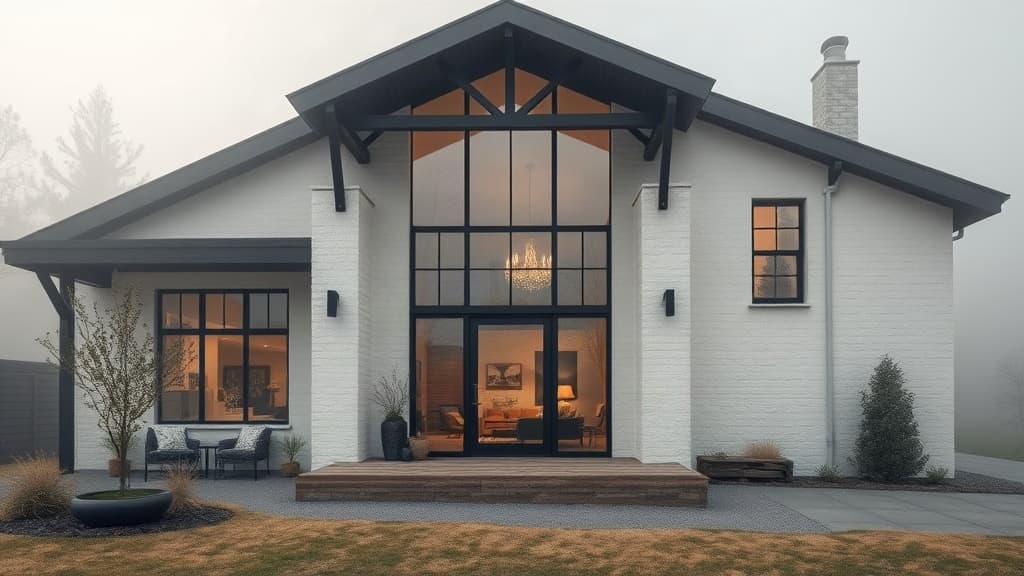
Industrial & Rustic Style: 5 Practical Tips for Real Homes
Learn how to authentically integrate the rugged charm of industrial and rustic aesthetics into your living space, balancing raw textures with home comfort.
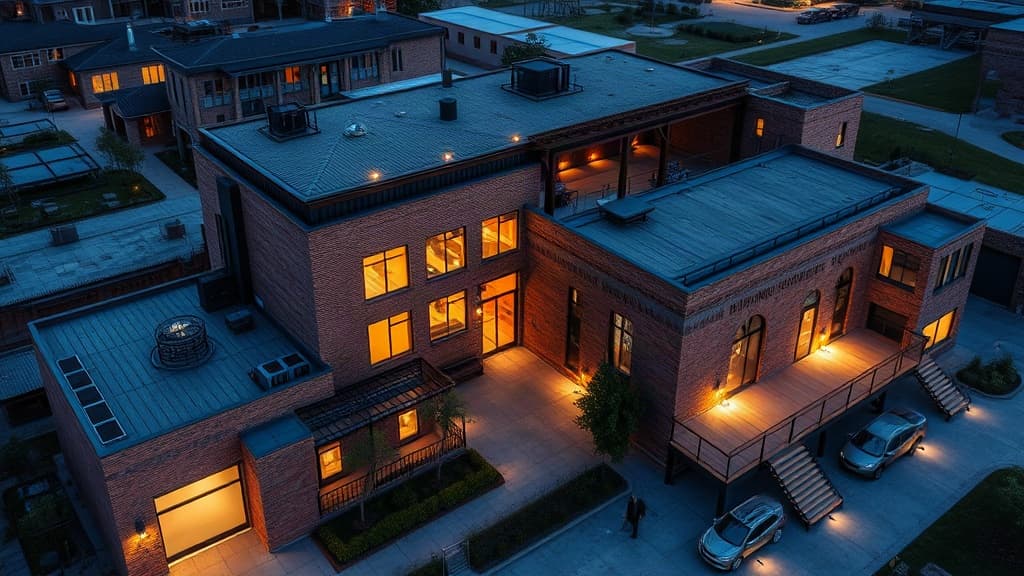
The Raw Appeal: Foundational Principles of Industrial & Rustic Style
An exploration of the core tenets that define and distinguish the raw, textured world of Industrial and Rustic design.