The Raw Appeal: Foundational Principles of Industrial & Rustic Style
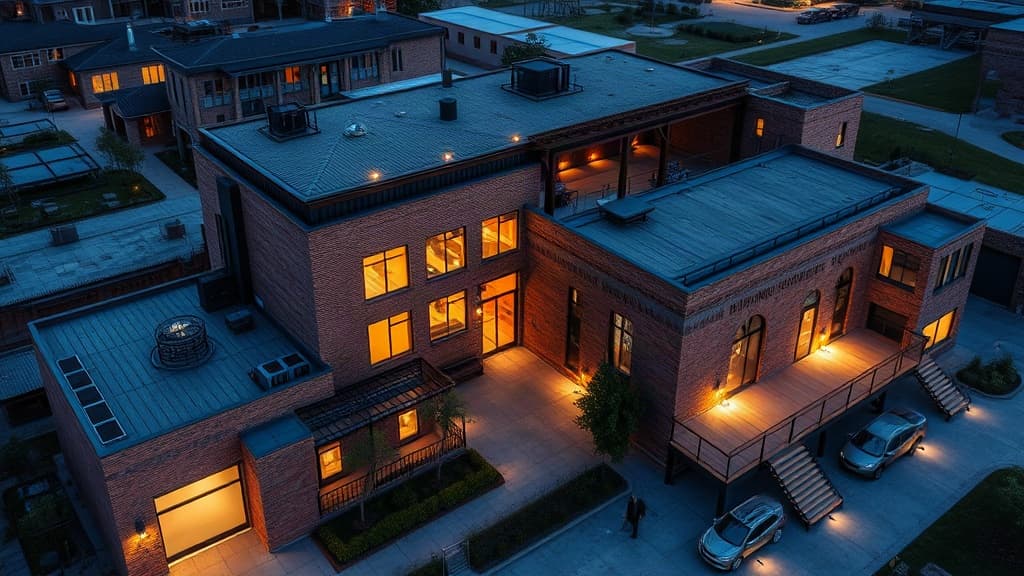
In an age of polished perfection, a compelling counter-movement celebrates the beauty of the unrefined. Industrial and Rustic styles, often spoken in the same breath, offer a powerful aesthetic language built on authenticity, history, and raw materiality. While they share a soulful kinship, each speaks with a distinct accent—one urban and structural, the other pastoral and organic. Together, they form a design philosophy that rejects pretense in favor of character, transforming exposed beams, weathered wood, and honest metals into the pillars of a profoundly grounded home.
At its core, Industrial design draws inspiration from converted warehouses, factories, and lofts. Its primary principle is the celebration of the architectural skeleton. Structural elements like ductwork, brick walls, concrete floors, and steel beams are not concealed but highlighted as integral features of the space. The palette is inherently muted, favoring grays, blacks, and raw material tones. Furniture often carries a utilitarian edge, with pieces that reference mechanical forms, reclaimed factory carts, or simple, sturdy shelving systems. Lighting is a key player, with Edison bulbs, pendant lamps with metal shades, and exposed filament fixtures casting a warm, functional glow that contrasts with the coolness of the materials.
Rustic style, while equally authentic, pulls its narrative from the countryside, cabins, and natural landscapes. Its foundational principle is a deep, tactile connection to nature. Materials are organic and show the hand of time: think wide-plank hardwood floors with visible knots, substantial timber beams, and stone fireplaces. The texture is paramount—rough-hewn surfaces, woven textiles, and handcrafted pottery. Unlike the more monochromatic Industrial look, Rustic interiors welcome warmer, earthier hues like browns, tans, greens, and deep reds. Furniture is substantial and often looks hand-built, celebrating natural wood grains and imperfections as marks of beauty rather than flaws.
Despite their different origins, these styles converge on essential shared principles. Both champion honesty of materials, leaving them in a state that reveals their true nature. Both embrace a sense of history, whether through reclaimed wood, vintage factory finds, or artifacts that tell a story. Most importantly, both prioritize comfort and soul over sterile perfection, creating spaces that feel lived-in and deeply personal from the moment they are conceived. To delve deeper into the nuances of these and other foundational aesthetics, see more Styles stories.
Read Also
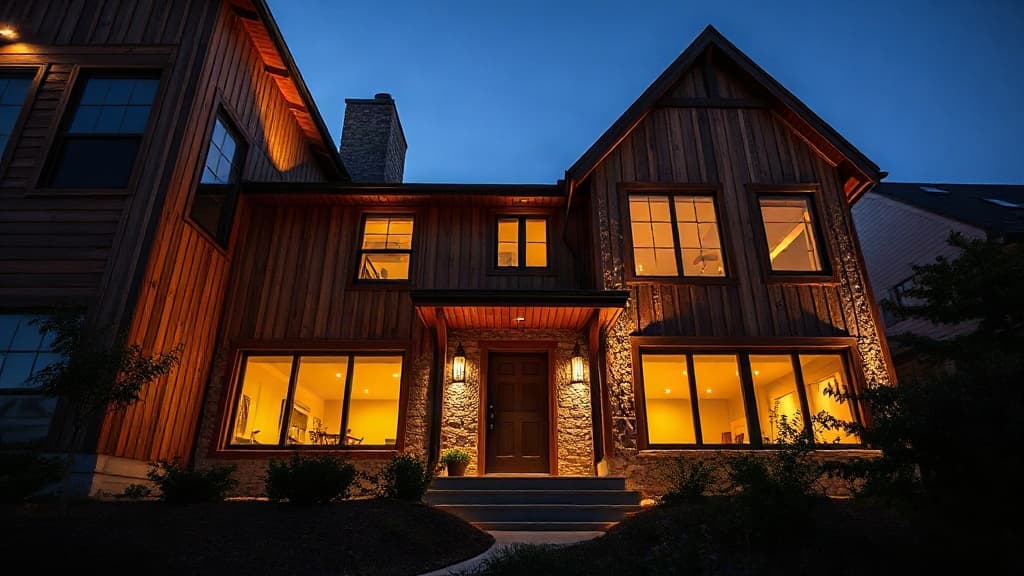
Beyond The Warehouse: When Rustic Warmth Meets Industrial Edge
Exploring how the fusion of industrial and rustic aesthetics creates spaces that feel both authentic and lived-in, moving beyond mere trend into enduring character.
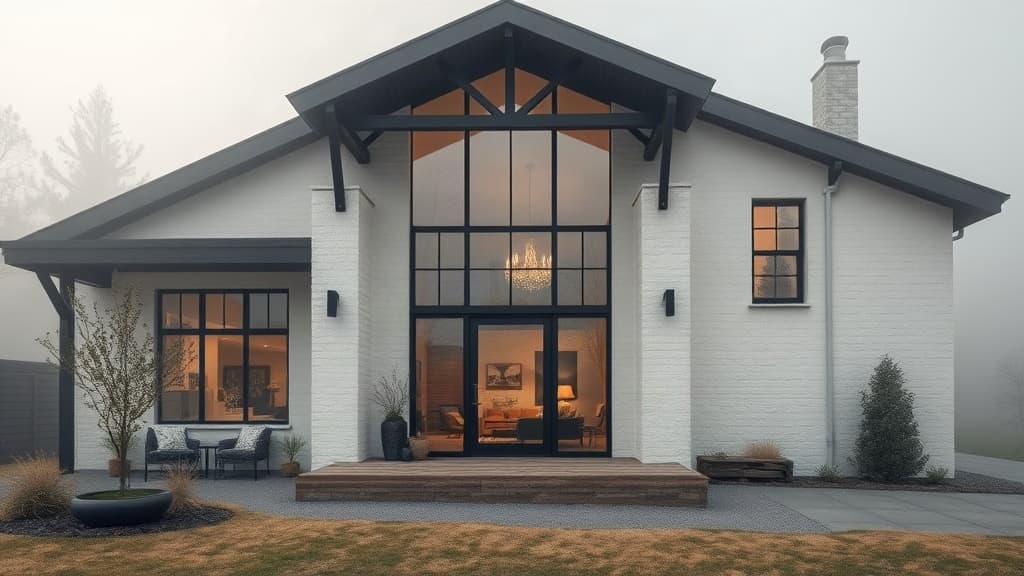
Industrial & Rustic Style: 5 Practical Tips for Real Homes
Learn how to authentically integrate the rugged charm of industrial and rustic aesthetics into your living space, balancing raw textures with home comfort.
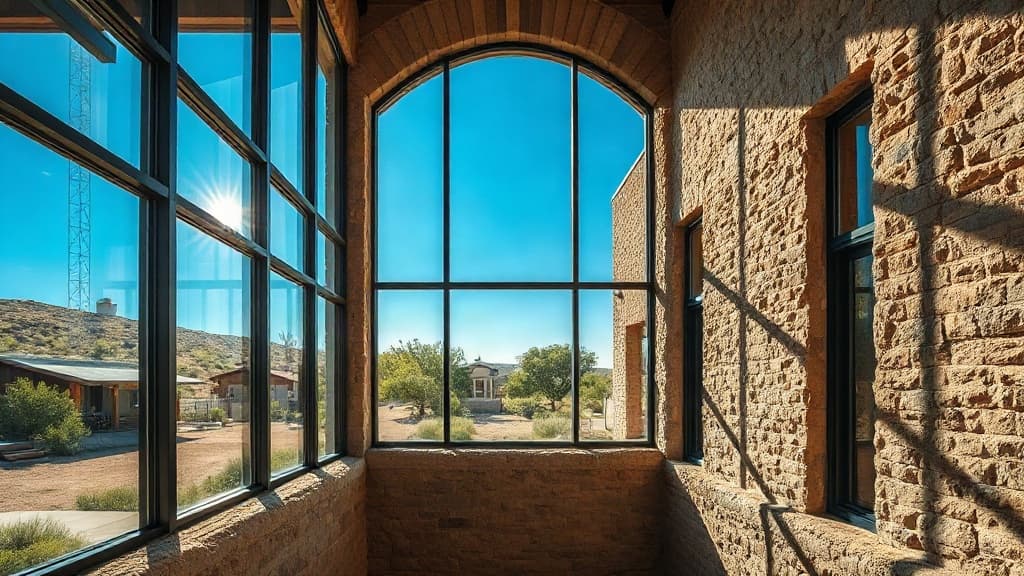
Material Truths: How Light Sculpts Rustic & Industrial Character
Industrial and rustic design reveals its soul not through applied ornament, but through the honest interplay of its foundational elements: Materials, Light, and Detail.