Classical Conversations: Blending Timeless Style with Modern Living
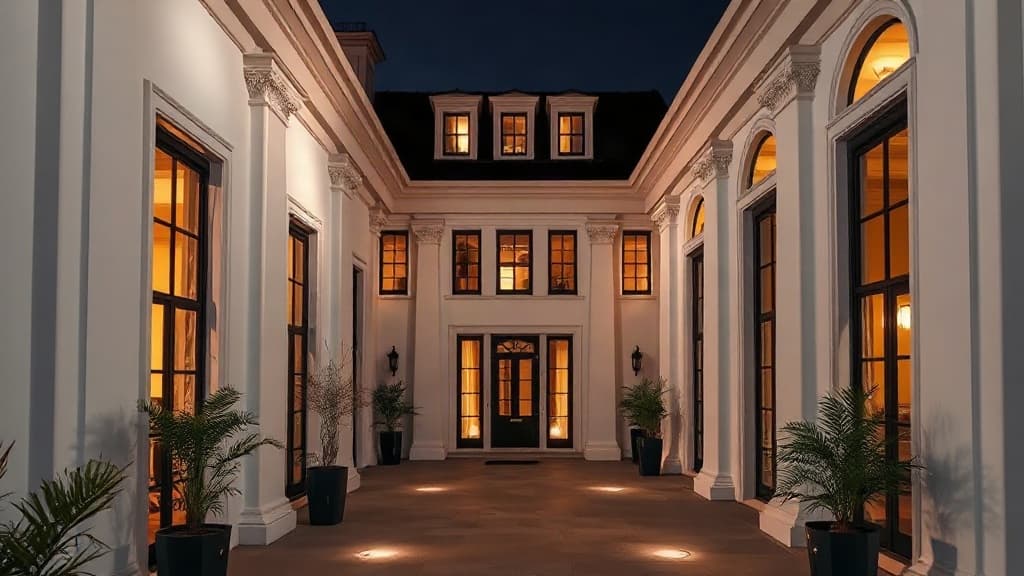
Classic and Neoclassical design often feels reserved for grand museums and palatial estates. The soaring columns, intricate moldings, and formal symmetry can seem daunting for a homeowner. Yet, at its heart, this style is built on principles of harmony, balance, and human-scaled beauty—ideals that can bring profound comfort and timeless elegance to any home. The challenge, and the joy, lies in translating these historic languages of design into a vocabulary that works for your daily life. It’s about conversation, not replication.
The journey begins with architectural intent, not wholesale renovation. You don’t need a colonnaded portico to capture the Neoclassical spirit. Instead, focus on introducing key architectural elements that establish a framework of order. Consider adding a classic chair rail or picture molding to your walls. This simple act of creating defined horizontal lines immediately introduces structure and a sense of elevation. Symmetry is your most powerful tool; arrange furniture, artwork, and even lighting in balanced pairs. A console table flanked by two identical lamps beneath a centered mirror is a quintessential Neoclassical vignette that brings instant calm and focus to an entryway or living room.
Furnishing and finishing are where the style truly comes to life. Seek out pieces with classical DNA: a sofa with clean, tapered legs and gentle curves (a nod to the Klismos chair), a side table with a fluted column base, or a mirror with a pediment-shaped top. The magic for modern living is in the mix. Pair a stately, button-tufted armchair with a more casual, contemporary linen sofa. This prevents the room from feeling like a period set. For color, build from a neutral, light-filled base—think creamy whites, soft grays, and warm beiges—accented with the rich, historically resonant hues of lapis blue, emerald green, or ochre. Finally, embrace patina. A well-loved wooden chest, a timeworn bronze lamp, or a vintage rug adds the soul and lived-in quality that keeps classicism feeling warm and inviting, not cold and perfect.
Mastering the blend of historic grandeur with modern practicality is an ongoing, rewarding dialogue with design history. For more inspiration on navigating architectural styles, see more Styles stories.
Read Also
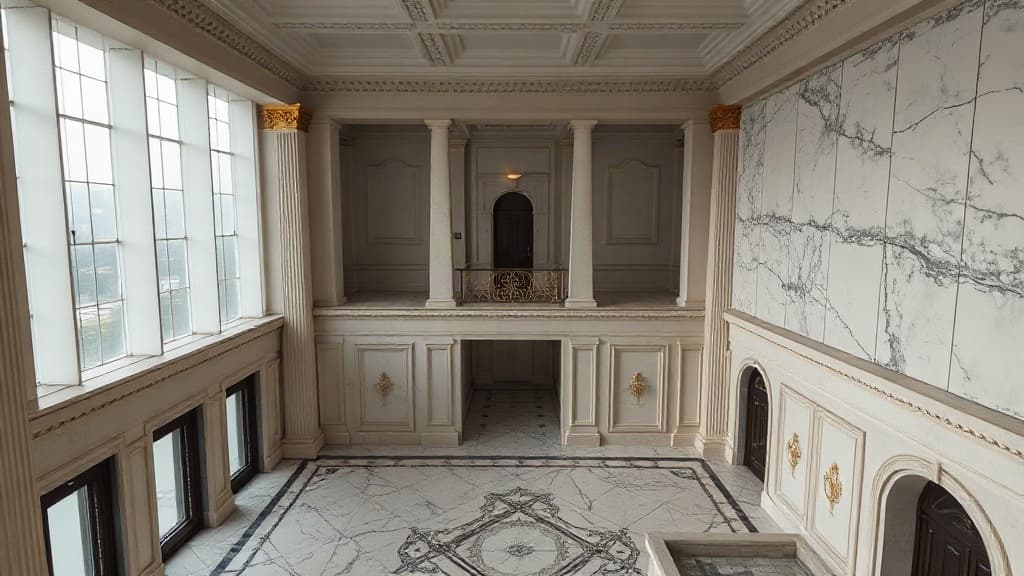
The Living Legacy: How Classic and Neoclassical Styles Inspire Today's Architects
From Parisian facades to modern-day interiors, we explore the enduring inspiration and real-world applications of Classical and Neoclassical architecture.
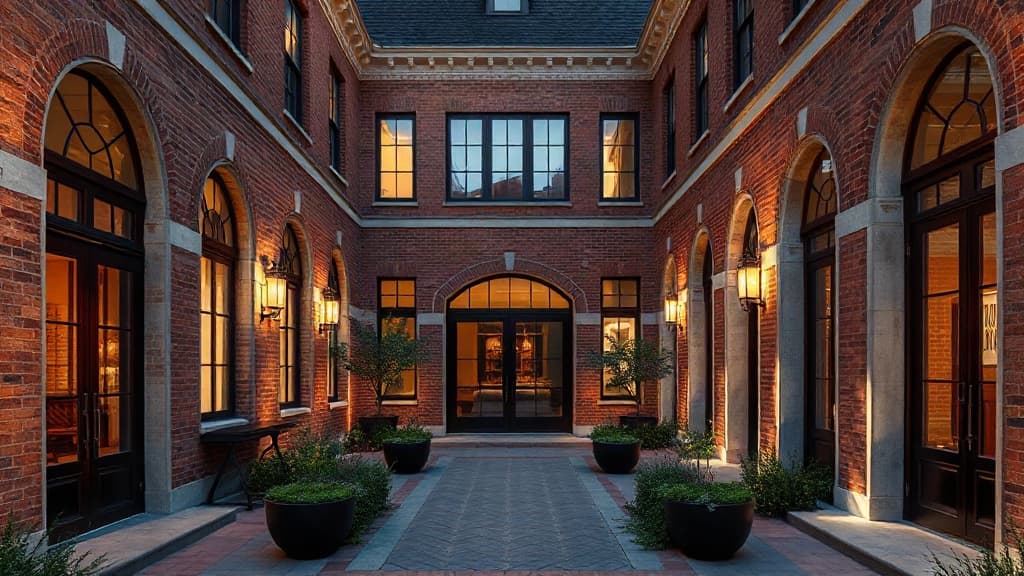
Elegance, Edited: A Homeowner's Guide to Classic & Neoclassical Style
Classic and Neoclassical design needn't be a museum piece. We offer practical strategies for integrating timeless architectural grace into modern living.
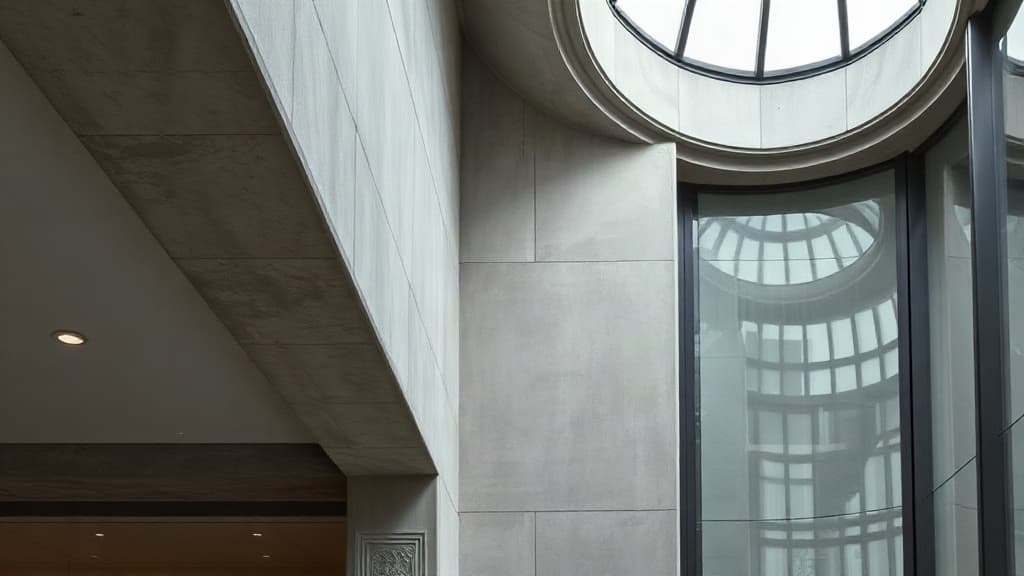
The Material Logic: How Light Animates Classic and Neoclassical Detail
Classic and Neoclassical design is a conversation between enduring materials, orchestrated light, and sculptural detail, creating spaces of timeless intellect and emotion.