Elegance, Edited: A Homeowner's Guide to Classic & Neoclassical Style
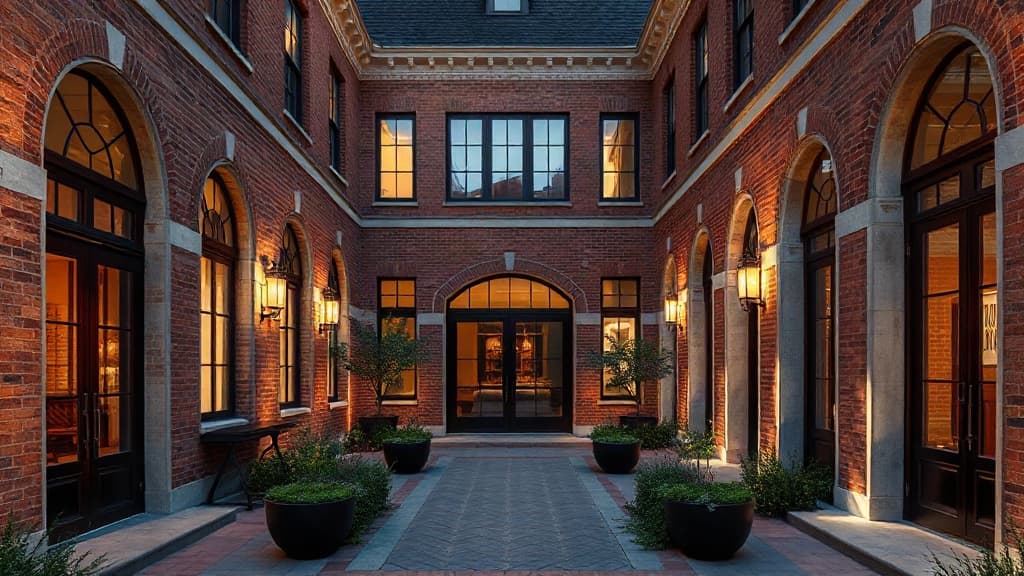
Classic and Neoclassical design evokes images of grand columns, intricate moldings, and a profound sense of order. For the contemporary homeowner, such grandeur can feel intimidatingly formal or historically restrictive. Yet, the core principles of these styles—balance, harmony, and enduring beauty—hold immense value for creating serene, uplifting living spaces. The challenge, and the opportunity, lies in editing and adapting these historical languages for a modern home. This is not about slavish historical recreation, but rather about distilling the essence of classicism into practical, livable choices that bring timeless elegance to daily life.
The most successful adaptations begin with a foundation of architectural honesty. You can introduce classical character without structural overhauls. Start with the frame of a room: consider adding simple, clean-lined crown molding or chair rails. These elements immediately establish a sense of vertical order and refinement. For a stronger Neoclassical statement, paint wall paneling or pilasters in a contrasting, yet muted, color to define spaces without building permanent walls. The key is in the proportion; even modestly scaled details, if correctly proportioned, can evoke the grace of their grander antecedents.
Furnishings and decor are where the style truly becomes personal. Avoid filling a room with ornate antiques, which can feel like a period display. Instead, opt for a curated mix. Anchor a space with one or two statement pieces that embody classical forms, such as a Louis XVI-inspired armchair or a Greek-key patterned rug. Then, balance these with cleaner, more contemporary sofas and tables. This dialogue between old and new keeps the space feeling fresh and relevant. For textiles, lean into natural materials like linen, velvet, and silk in rich, solid colors or subtle, large-scale damask patterns. Keep accessories minimal and meaningful—a sculptural urn, a classical bust replica, or a pair of gilded sconces can serve as eloquent focal points without clutter.
Ultimately, living with Classic or Neoclassical influence is about cultivating an atmosphere of considered calm and dignified beauty. It’s a style that asks for thoughtful composition rather than trendy accumulation. By focusing on foundational architectural gestures and curating a balanced mix of furnishings, you can create a home that feels both historically grounded and perfectly suited to contemporary living. For further inspiration on defining your home's aesthetic, see more Styles stories.
Read Also
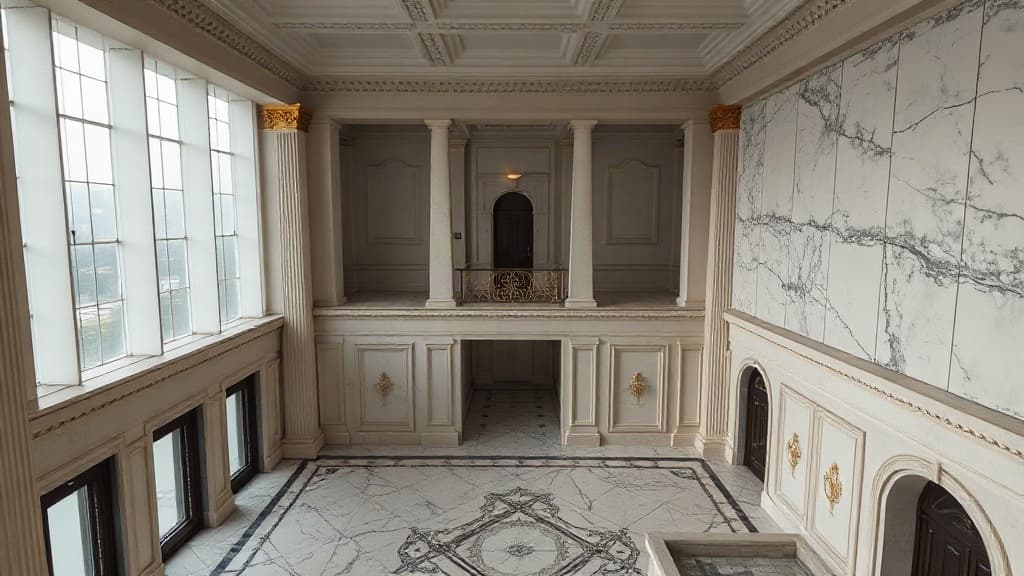
The Living Legacy: How Classic and Neoclassical Styles Inspire Today's Architects
From Parisian facades to modern-day interiors, we explore the enduring inspiration and real-world applications of Classical and Neoclassical architecture.

Classical Conversations: Blending Timeless Style with Modern Living
Classic and Neoclassical design is about more than columns and cornices. We offer practical guidance for homeowners to incorporate its elegance into contemporary life.
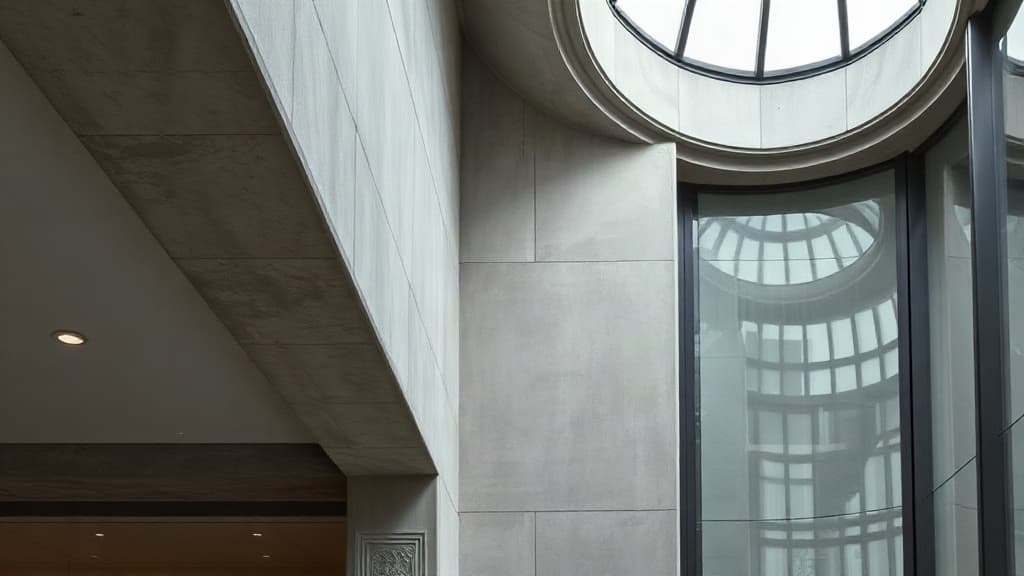
The Material Logic: How Light Animates Classic and Neoclassical Detail
Classic and Neoclassical design is a conversation between enduring materials, orchestrated light, and sculptural detail, creating spaces of timeless intellect and emotion.