The Material Logic: How Light Animates Classic and Neoclassical Detail
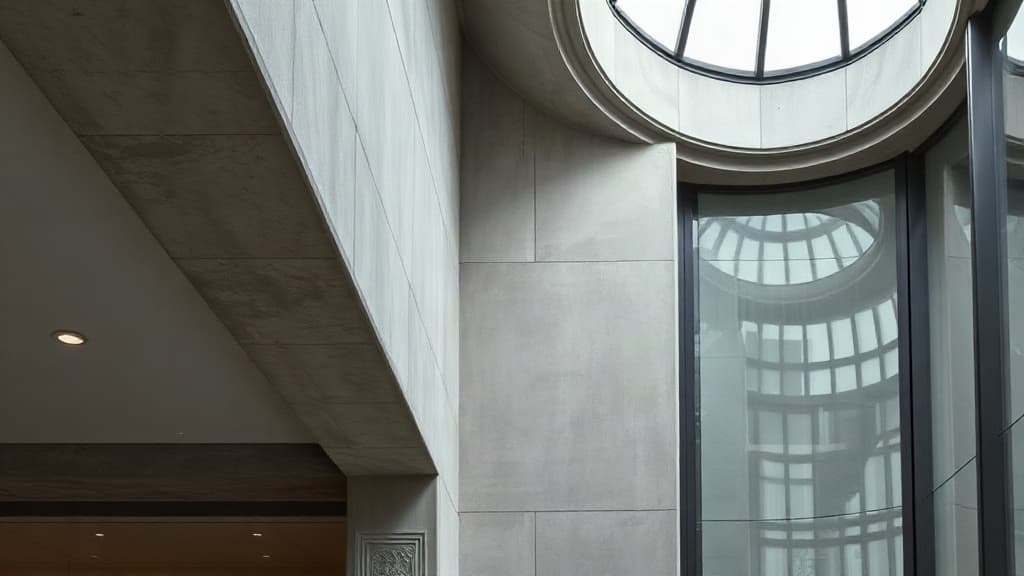
Classic and Neoclassical design transcends mere aesthetic nostalgia. It is a philosophical system built upon a triad of tangible elements: the Material, the Luminous, and the Detailed. This isn't a style frozen in marble, but a dynamic language where substance, shadow, and form engage in a deliberate dialogue, crafting environments of profound order and emotive resonance. To understand its enduring power, one must look beyond the columns and pediments to the fundamental interplay of these three principles.
The choice of material in these styles is a declaration of permanence and truth. Marble, with its veined narrative of geological time, speaks of solidity and luxury. Rich, dark hardwoods like mahogany and walnut provide warmth and a grounded counterpoint. Gilded bronze and polished brass are not mere accents but embodiments of captured light, adding moments of celestial reflection. Each material is selected for its innate character and its ability to tell a story of craftsmanship and endurance, forming the very bones and skin of the space.
Light is the animating force that brings this material logic to life. It is never an afterthought but a primary architectural tool. Grand windows and strategically placed mirrors orchestrate the journey of natural light, carving volumes out of shadow and making stone and stucco breathe. As daylight shifts, it reveals the texture of travertine, deepens the glow of wood, and makes gilding flicker like a candle flame. Artificial light, often from crystal chandeliers or sconces, continues this performance, casting intricate shadows from cornicing and highlighting the depth of a coffered ceiling. Light, thus, becomes the brush that paints the room anew each hour.
This choreography culminates in the realm of detail. Detail here is not decoration, but the essential grammar of the style—the precise vocabulary spoken by materials under light. It is the crisp fillet of a molding, the acanthus leaf carved into a capital, the rhythmic dentils along an entablature, and the perfect inlay on a parquet floor. These elements catch the light, creating patterns of highlight and shade that give scale, rhythm, and intellectual depth. The detail is where the hand of the maker is most evident, transforming construction into artistry and ensuring every glance rewards the observer with a new discovery.
In essence, the Classic and Neoclassical ethos is a masterclass in intentional harmony. It teaches that true luxury lies not in abundance, but in the thoughtful selection of noble materials, the poetic management of light, and the execution of meaningful detail. For those captivated by this dialogue of elements, we invite you to see more Styles stories.
Read Also
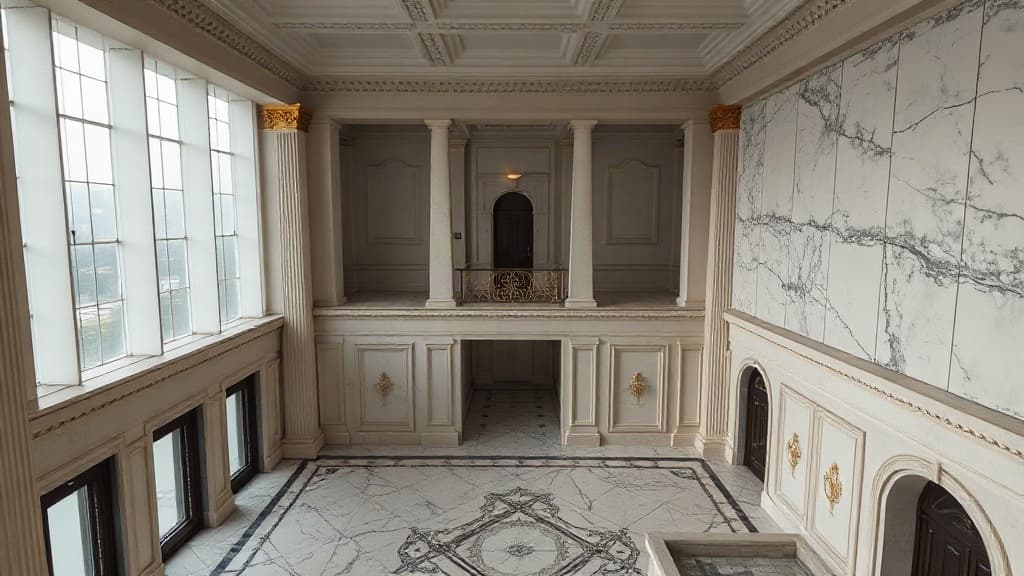
The Living Legacy: How Classic and Neoclassical Styles Inspire Today's Architects
From Parisian facades to modern-day interiors, we explore the enduring inspiration and real-world applications of Classical and Neoclassical architecture.
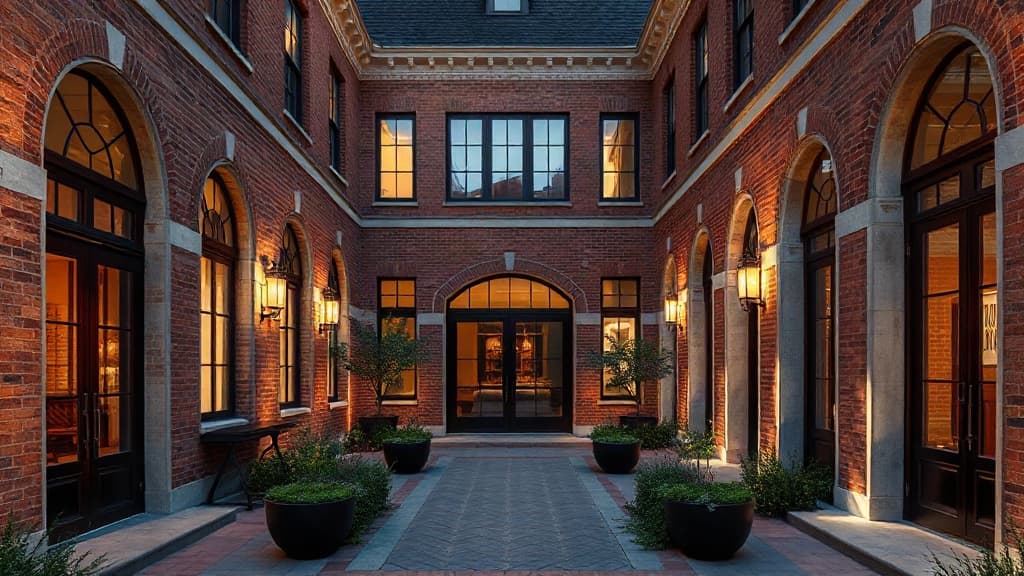
Elegance, Edited: A Homeowner's Guide to Classic & Neoclassical Style
Classic and Neoclassical design needn't be a museum piece. We offer practical strategies for integrating timeless architectural grace into modern living.
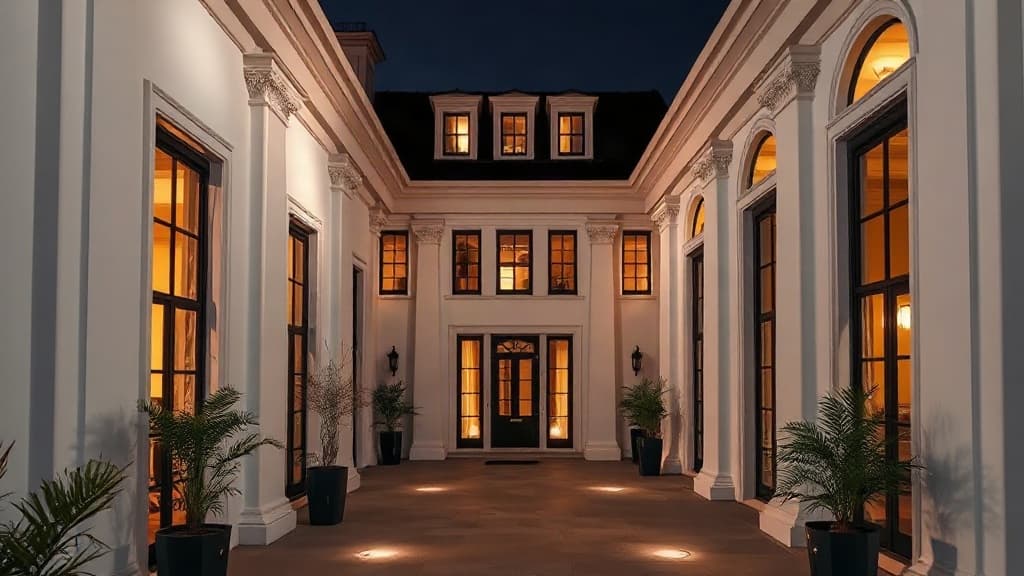
Classical Conversations: Blending Timeless Style with Modern Living
Classic and Neoclassical design is about more than columns and cornices. We offer practical guidance for homeowners to incorporate its elegance into contemporary life.