The Living Legacy: How Classic and Neoclassical Styles Inspire Today's Architects
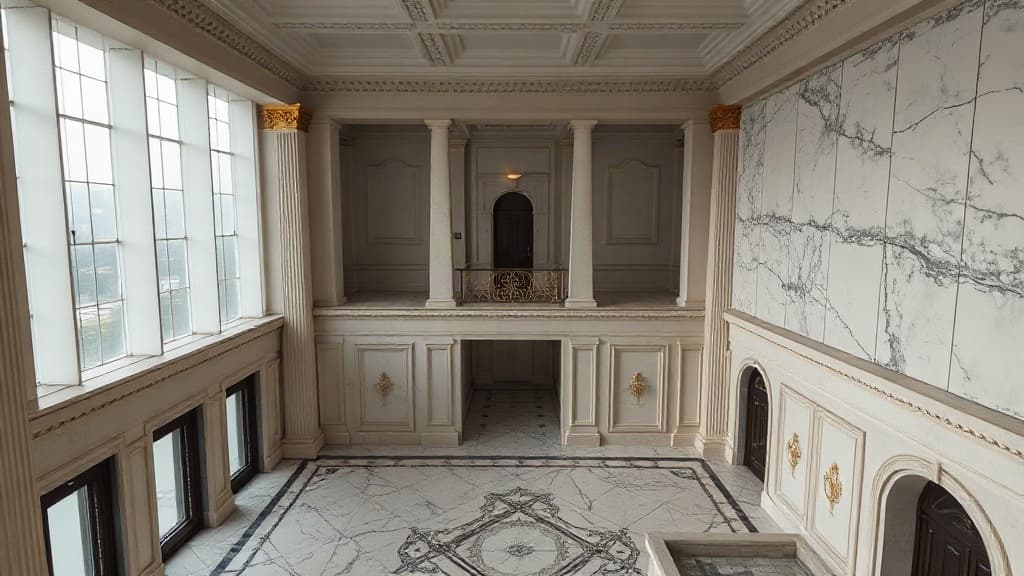
Classical architecture is more than a historical footnote; it is a living language of form, proportion, and order that continues to whisper to designers centuries later. Its revival in the Neoclassical period was not mere mimicry but a conscious dialogue with the past, adapted to the Enlightenment's values of reason and civic virtue. Today, this dialogue continues, with architects and interior designers drawing on these foundational styles not to create pastiches, but to infuse contemporary spaces with a timeless sense of harmony, grandeur, and intellectual depth. The legacy of these styles is not frozen in marble; it is a dynamic source of inspiration, actively shaping our built environment from monumental public buildings to intimate residential interiors.
Inspiration often springs from the grand civic gestures of Neoclassicism. Consider the sweeping colonnades and domed structures of government buildings, universities, and museums worldwide. These forms, inspired by Greek temples and Roman baths, communicate stability, knowledge, and democratic ideals. Yet the inspiration translates into more intimate scales as well. A modern home might adopt a perfectly symmetrical facade, a portico entrance, or floor-to-ceiling windows arranged with the rhythmic precision of a colonnade. The core principle is a balanced composition, where every element has a reason and a place, creating an immediate impression of serenity and order before one even steps inside.
In the real world, this inspiration manifests through distinct details. In interiors, we see the application of Classical moldings—dentils, egg-and-dart, and intricate ceiling medallions—refined for contemporary living. A sleek, modern kitchen might be anchored by a coffered ceiling, while a minimalist living room gains depth from a simple, elegant corniche. Furniture with clean, rectilinear forms inspired by Sheraton or Hepplewhite, adorned with subtle fluting or a graceful urn motif, bridges the gap between old and new. The modern interpretation lies in the editing: selecting a few resonant details rather than applying every ornament. It’ s about capturing the spirit of reasoned elegance, using materials like brushed limestone, quarter-cut oak, or polished nickel to express ancient ideals in a modern tongue.
Ultimately, engaging with Classic and Neoclassical style is about connecting to a continuum of design thought. It allows us to build upon a foundation of proven beauty, adapting its vocabulary to express contemporary values of clarity, sustainability, and refined living. This enduring conversation between past and present ensures these styles remain profoundly relevant. To delve deeper into the principles of timeless design, see more Styles stories.
Read Also
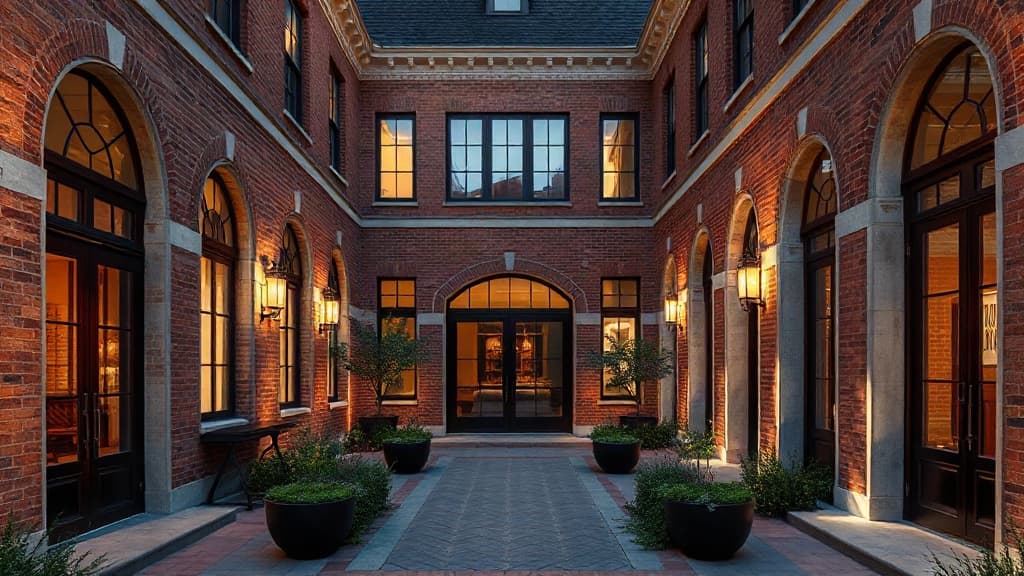
Elegance, Edited: A Homeowner's Guide to Classic & Neoclassical Style
Classic and Neoclassical design needn't be a museum piece. We offer practical strategies for integrating timeless architectural grace into modern living.
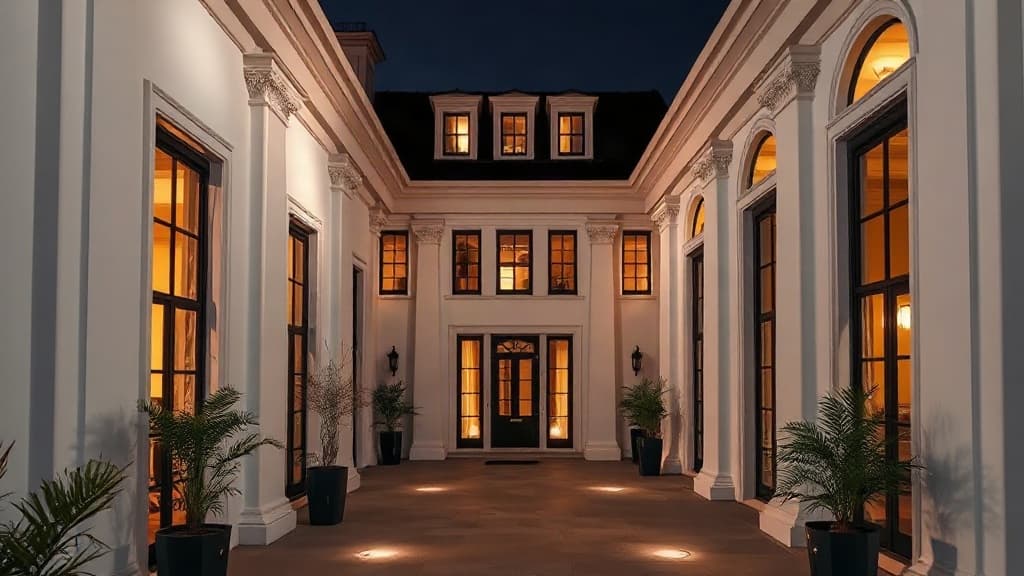
Classical Conversations: Blending Timeless Style with Modern Living
Classic and Neoclassical design is about more than columns and cornices. We offer practical guidance for homeowners to incorporate its elegance into contemporary life.
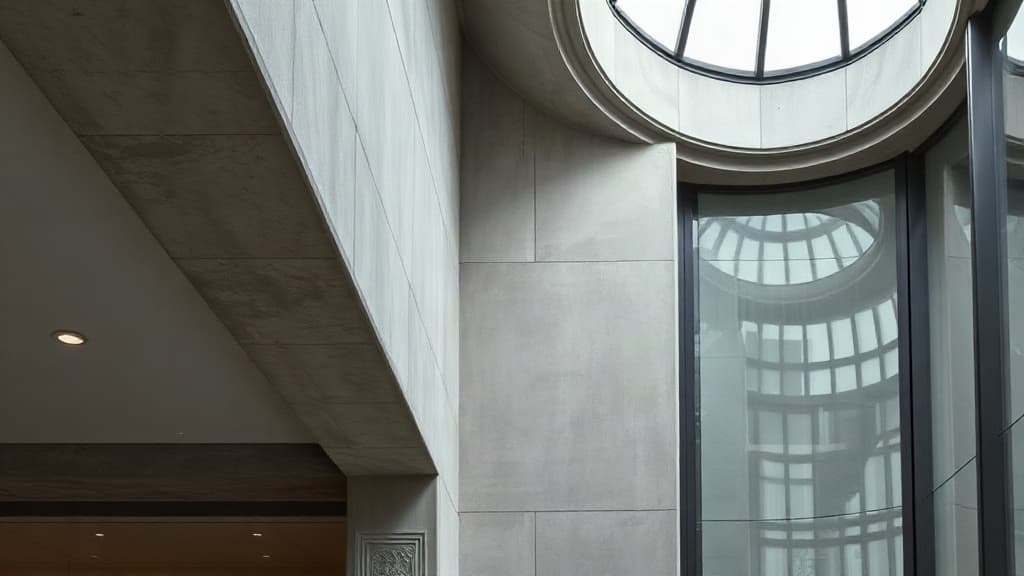
The Material Logic: How Light Animates Classic and Neoclassical Detail
Classic and Neoclassical design is a conversation between enduring materials, orchestrated light, and sculptural detail, creating spaces of timeless intellect and emotion.