How to Create an Interior Design Mood Board: A Practical Guide
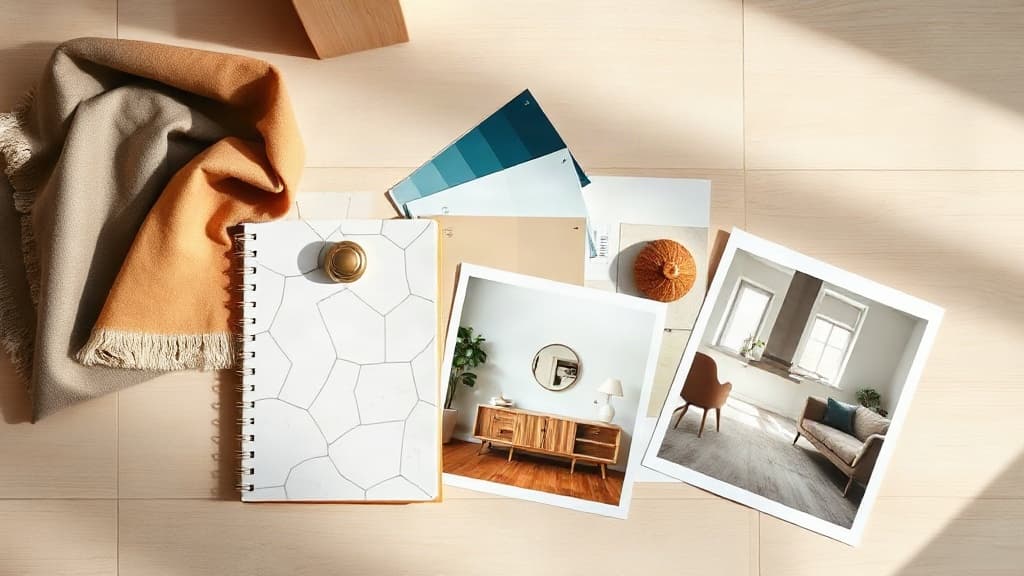
An interior design mood board is a visual tool that combines colors, materials, and images to plan a room's look before you buy a single item. It helps you test ideas, communicate with contractors or family, and avoid expensive mistakes by seeing how everything fits together.
Start with your core inspiration
Your mood board should begin with one key image or item that defines the entire project's direction. This could be a fabric swatch, a photo of a room you love, or a piece of artwork. For example, a patterned tile from a backsplash or a specific shade of blue-green paint can be your starting point. Pin or paste this item in the center of your board. Everything else you add will relate back to this core element, ensuring a cohesive result.
Gather physical samples whenever possible
While digital images are useful, nothing compares to holding a real material. Collect physical samples of paint colors, wood stains, fabric swatches, and small tiles. Hardware stores often give free paint chips, and fabric stores sell sample squares. Lay these samples next to each other on your board. You will immediately see how a matte linen fabric looks against a glossy white tile, or if a brass finish clashes with your chosen wood tone.
Use a consistent color palette
Limit your main color scheme to three to five colors. Include one dominant color for walls or large furniture, one or two secondary colors for accents, and a neutral for balance. Specify these colors precisely, like 'Sherwin-Williams Sea Salt SW 6204' or 'Farrow & Ball Setting Plaster'. Add actual paint chips or printed color blocks to your board. This prevents you from ending up with a room that feels disjointed because the blues don't match.
Include textures and materials
A mood board should show how different surfaces interact. Include samples or close-up photos of your main materials: the grain of an oak floor, the weave of a wool rug, the finish on cabinet hardware. Place a rough jute texture next to a smooth marble sample. This step is crucial for understanding the room's feel; a space with only smooth, shiny surfaces can feel cold, while too many rough textures can feel heavy.
Add furniture silhouettes and scale
Don't just use beautiful product photos; show the shape and size of key furniture pieces. Cut out simple silhouettes from catalogs or draw their approximate outlines. Consider proportions: a large, low sofa needs a different scale of coffee table than a set of delicate armchairs. A common mistake is choosing furniture that is too large or too small for the room's dimensions, which a scaled sketch on your board can help avoid.
Layer in lighting and fixtures
Lighting dramatically changes how colors and materials appear. Include images or swatches of your light fixtures—a pendant light over a dining table, wall sconces by a mirror. Note the type of light bulb (warm white vs. cool daylight) as this will affect paint colors. A warm bulb can make a gray wall look beige, while a cool bulb can make it appear more blue. This detail is often overlooked until it's too late.
Organize with a clear layout
Whether digital or physical, organize your board logically. Group related items together: put all kitchen countertop samples in one area, all living room fabric swatches in another. Leave some white space between groups so the board doesn't look chaotic. For a digital board using a tool like Canva or Milanote, use grids or frames to keep items aligned. A messy board is hard to read and defeats the purpose of clarity.
Refine and edit your selections
Step back from your board and review it as a whole. Does anything look out of place? Remove items that don't support the overall vision, even if you love them individually. This is the time to be ruthless. A successful mood board has a clear, unified story. If a vibrant orange pillow clashes with your serene green and gray scheme, take it off. The board is a filter for your ideas.
Translate the board into a shopping list
Your final mood board should directly inform a concrete action plan. List every item shown: the specific paint color for the trim, the model number of the light fixture, the fabric name for the curtains. This turns inspiration into executable steps. For more visual guidance, you can explore our curated more Moodboards & Material Lookbooks ideas to see how other projects were resolved.
Key takeaways
Start your mood board with one central inspirational item. Always use real physical samples for materials like paint and fabric. Let your final, edited board create a precise shopping list to guide your purchases.
Frequently Asked Questions
What is the main purpose of an interior design mood board?
A mood board's main purpose is to visually test and organize your design ideas before spending money. It helps you see if colors, materials, and furniture styles work together cohesively, preventing costly mistakes and ensuring a unified final result.
Should I make a digital or physical mood board?
A physical board with real samples is best for accurately judging textures and colors under natural light. A digital board using apps like Canva is useful for quick iterations and sharing ideas online. Many designers start digitally and then gather physical samples.
How many colors should be on a mood board?
Limit your main palette to three to five colors. Include one dominant color for large surfaces, one or two secondary colors for accents, and at least one neutral. Using too many colors can make a room feel busy and disjointed.
What common mistakes do people make with mood boards?
The most common mistakes are not using real material samples, choosing items based on individual appeal rather than cohesion, and forgetting to consider the scale of furniture. Another error is not editing the board, leaving in elements that clash.
Read Also
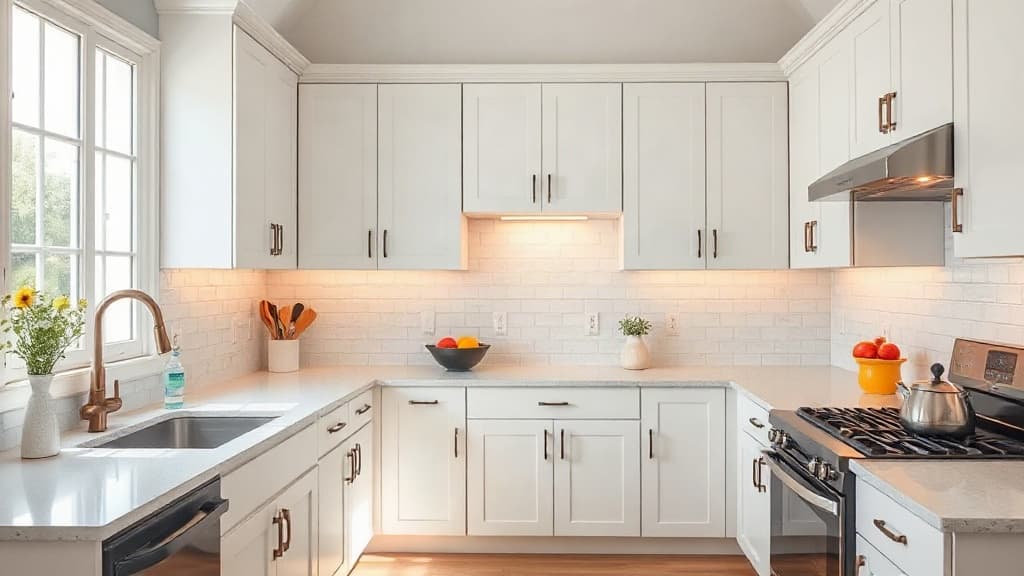
10 Kitchen Makeover Ideas on a Budget for a Big Change
You can transform your kitchen without a full renovation. These 10 budget-friendly ideas focus on paint, hardware, lighting, and clever updates for maximum visual impact.
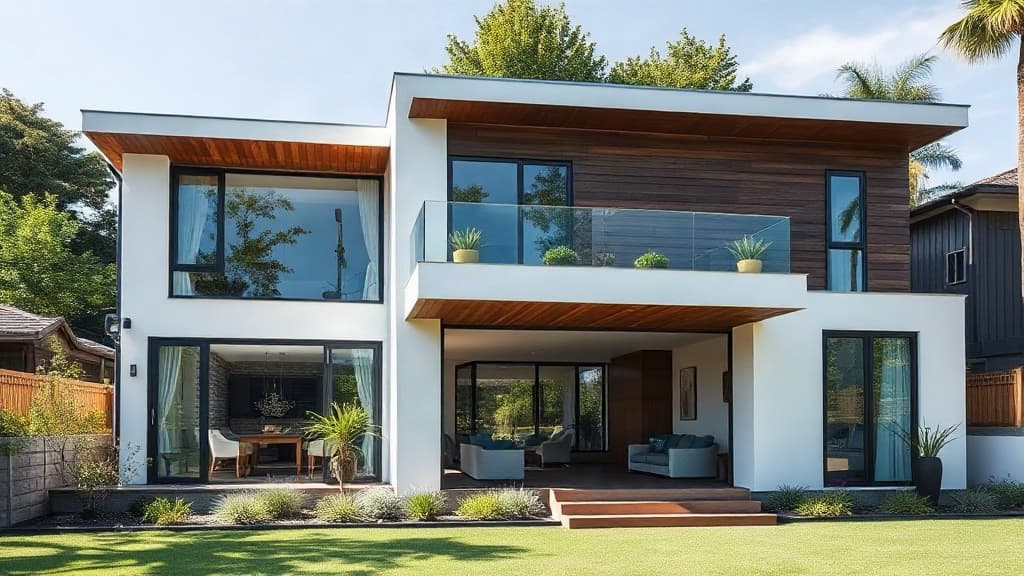
7 Modern Villa Design Ideas for a Streamlined Home
See concrete modern villa design ideas focusing on clean lines, integrated spaces, and functional materials.
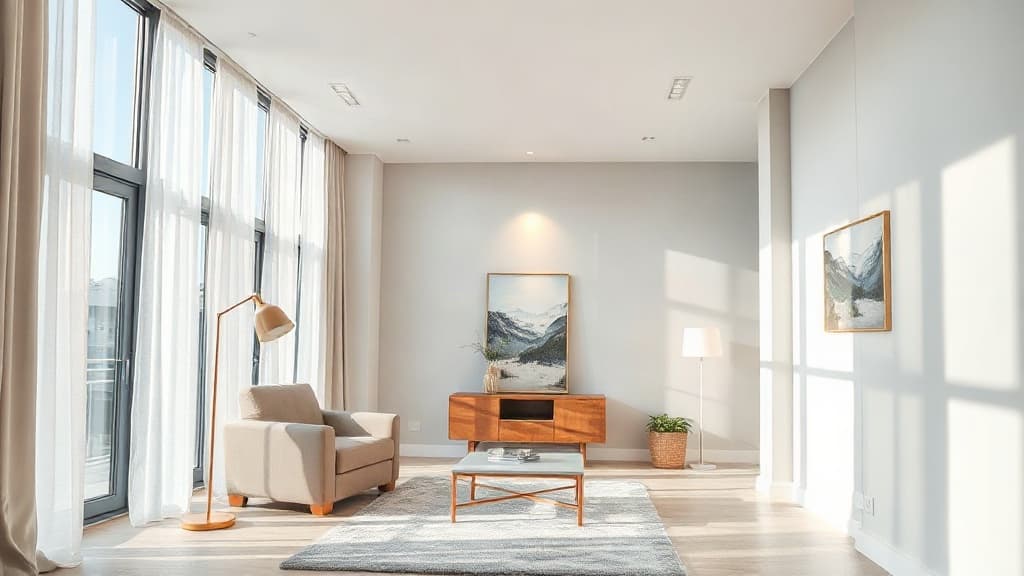
Types of Lighting in Interior Design: A Practical Guide
A guide to the three main types of lighting—ambient, task, and accent—and how to layer them for a functional and comfortable home.