Types of Lighting in Interior Design: A Practical Guide
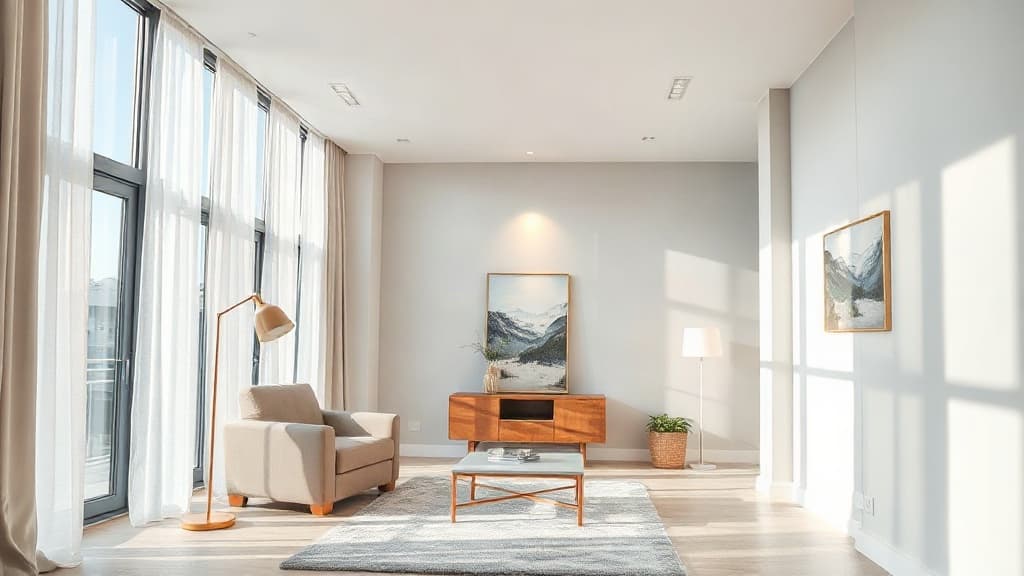
Understanding the types of lighting in interior design is essential for creating a usable and pleasant space. The three primary categories are ambient (general), task, and accent lighting. A successful lighting plan uses all three layers to provide overall illumination, support specific activities, and highlight features.
Ambient Lighting: The Base Layer
Ambient lighting, or general lighting, provides the foundational illumination for a room. It replaces natural light at night and ensures safe movement. Common sources include ceiling-mounted fixtures like flush or semi-flush mounts, recessed downlights, and track lighting. For larger rooms, you may need multiple light sources to avoid dark corners. A common mistake is relying on a single central fixture, which often creates harsh shadows and uneven light.
In a living room of about 20 square meters, aim for a total of 2000-3000 lumens from your ambient sources. You can achieve this with a central fixture and two wall sconces. For a softer, more diffused light, choose fixtures with shades or use dimmer switches. The color temperature is also important; 2700K to 3000K (warm white) is typical for living areas to create a welcoming feel.
Task Lighting: Focused Light for Work
Task lighting delivers concentrated light where you perform specific activities like reading, cooking, or applying makeup. Its purpose is to prevent eye strain by providing bright, shadow-free light on the work surface. Examples include under-cabinet lights in kitchens, adjustable desk lamps, and pendant lights over a dining table or kitchen island.
The light should be positioned to avoid glare and shadows. For reading in an armchair, place a floor lamp about 100-110 cm tall so the bottom of the shade is at eye level when seated. In a kitchen, install LED strip lights under wall cabinets, positioned at the front edge to shine directly on the countertop without creating a shadow from your body. Choose bulbs with a higher color temperature, around 3000K-4000K, for better visual clarity.
Accent Lighting: Creating Visual Interest
Accent lighting is used to draw attention to architectural features, artwork, or collections. It adds depth and dimension to a room. The light level is typically three times brighter than the surrounding ambient light. Common fixtures include track lights, picture lights, wall washers, and recessed adjustable spotlights.
To highlight a painting, use a picture light mounted above it or a track light positioned about 30-45 cm away from the wall, angled at 30 degrees. This angle minimizes glare. For illuminating a bookshelf, small LED puck lights installed on the underside of each shelf work well. Avoid using accent lighting on reflective surfaces like glass or glossy paint, as it can cause uncomfortable bright spots.
Decorative Lighting: The Jewelry of a Room
Decorative lighting refers to fixtures that serve as visual focal points themselves. While they may provide some ambient or task light, their primary role is aesthetic. Think of a sculptural chandelier over a dining table, a series of decorative pendants in an entryway, or a stylish table lamp on a console. These pieces define the style of a space.
Scale is critical. A chandelier over a dining table should be about 60-75 cm smaller than the table's width in diameter. Hang it so the bottom is 75-90 cm above the table surface. In a room with high ceilings, you can go larger. When selecting decorative fixtures, consider how they look when turned off during the day as well as the quality of light they emit when on. A crystal chandelier, for instance, will scatter light beautifully.
Natural Lighting: The Best Foundation
Natural light is the most desirable light source and should be maximized in your design. It affects mood, perceived space size, and even the appearance of colors. The goal is to control and diffuse harsh direct sunlight while allowing ample ambient daylight. This involves window treatments, reflective surfaces, and interior layout.
Use sheer curtains or light-filtering roller shades to soften direct sun. Position mirrors opposite or adjacent to windows to bounce light deeper into a room. Choose matte or low-sheen paint finishes on walls to reduce glare. A common error is using dark, heavy window coverings that block all light; instead, opt for layered treatments that allow flexibility throughout the day. For more Lighting, Materials & Layouts ideas, explore our other guides.
Choosing the Right Light Fixtures
Selecting fixtures involves matching their form and function to the room's needs and your design style. Consider the fixture's light output (lumens), beam angle, color temperature (Kelvin), and Color Rendering Index (CRI). A high CRI (90+) is important in kitchens and bathrooms where color accuracy matters. The fixture's material and finish should complement other elements in the room.
For a minimalist interior, consider recessed downlights or sleek linear suspensions. In a more traditional setting, a drum pendant or a lantern-style fixture may be appropriate. Always check the fixture's dimensions relative to your space. A too-small pendant over a large island will look out of place, while an oversized one can feel overwhelming. Planning your fixture choices as part of an overall minimalist interior design ideas scheme ensures cohesion.
Planning Your Lighting Layout
A good layout distributes light evenly and places task and accent lights precisely where needed. Start by mapping the room's functions: where will you read, cook, or display art? For ambient lighting in a square room, a symmetrical layout with four recessed lights often works. In a long room, consider a linear arrangement.
For task lighting, plan the exact location of the work surface. A desk lamp should be placed on the side opposite your writing hand to prevent shadows. In a kitchen, ensure under-cabinet lights cover the entire counter length, with no gaps. Use a lighting plan, similar to a create interior design mood board, to visualize placement before installation. Always include separate switches or dimmers for each lighting layer to control the atmosphere.
Common Lighting Mistakes to Avoid
Several frequent errors can undermine a lighting scheme. The first is using only one type of lighting, resulting in a flat or impractical space. Another is choosing bulbs that are too cool (blue-white) for living areas, making them feel sterile. Installing recessed lights too close to walls can create scalloping effects instead of washing the wall evenly.
Avoid placing a single downlight directly over a bathroom mirror, as it casts shadows on your face. Instead, use vertical sconces on both sides of the mirror. Also, neglecting to use dimmers is a missed opportunity for flexibility. Finally, forgetting to consider the maintenance of fixtures, like how to change a bulb in a high ceiling, leads to future problems.
Key takeaways
Always layer ambient, task, and accent lighting for a balanced and functional room. Use dimmer switches to control light levels and adapt the mood for different times of day. Choose warm white bulbs (2700K-3000K) for most living spaces and ensure task areas have bright, focused light. Plan your fixture placement and switching layout before any wiring begins.
Frequently Asked Questions
What are the 3 basic types of lighting?
The three basic types are ambient (general room light), task (focused light for activities like reading), and accent (light to highlight features or art). A good design uses all three layers to create a functional and visually interesting space.
What type of lighting is best for a living room?
Use ambient lighting from ceiling fixtures or floor lamps for overall light. Add task lighting next to seating for reading. Include accent lighting for artwork or shelves. Always use dimmers on the ambient layer to adjust the brightness for different activities and times of day.
How do I choose light bulbs for my home?
Check the lumens for brightness and Kelvin (K) for color. For living areas, choose warm white (2700K-3000K). For task areas like kitchens, 3000K-4000K is better. Look for a high Color Rendering Index (CRI) above 90 for accurate color, especially in bathrooms and kitchens.
How many lights do I need in a room?
There is no single number. Calculate ambient light first: aim for 20-30 lumens per square foot. Then add task lights for each activity zone and accent lights for features. For example, a 12'x15' living room needs about 3000-4500 lumens of ambient light, plus separate reading and accent lights.
Read Also
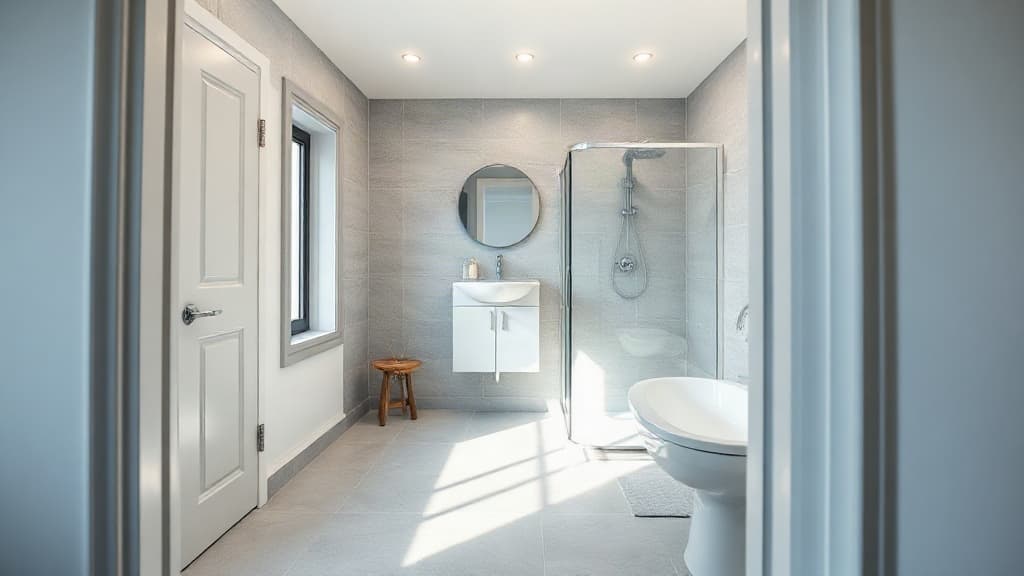
18 Small Bathroom Ideas for a More Functional Space
Get 18 practical ideas to make a small bathroom feel bigger and work better, from layout changes to smart storage and lighting.
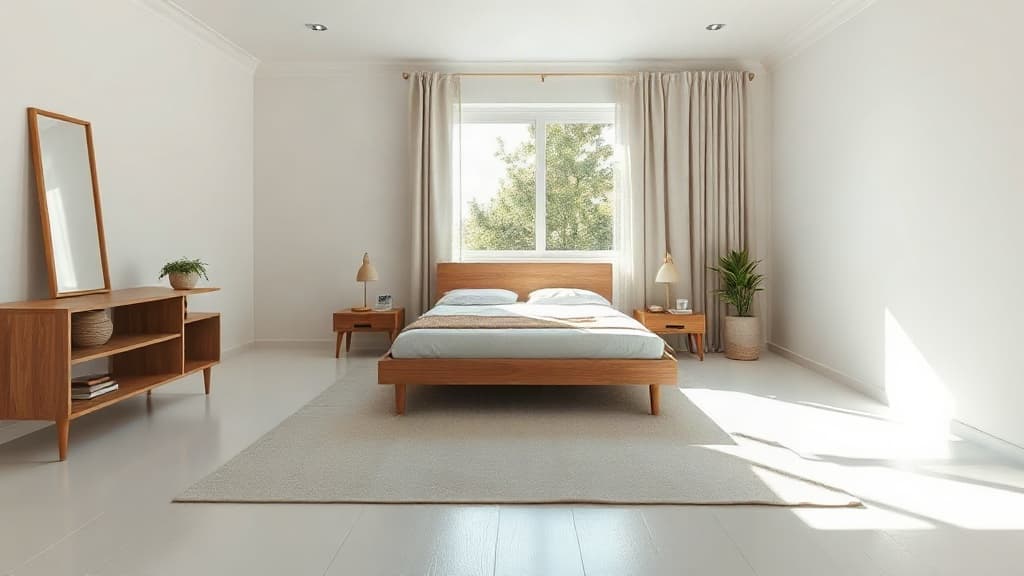
21 Small Bedroom Ideas to Maximize Your Space
Practical strategies to make a small bedroom feel larger, from furniture choices and color palettes to storage solutions and lighting.
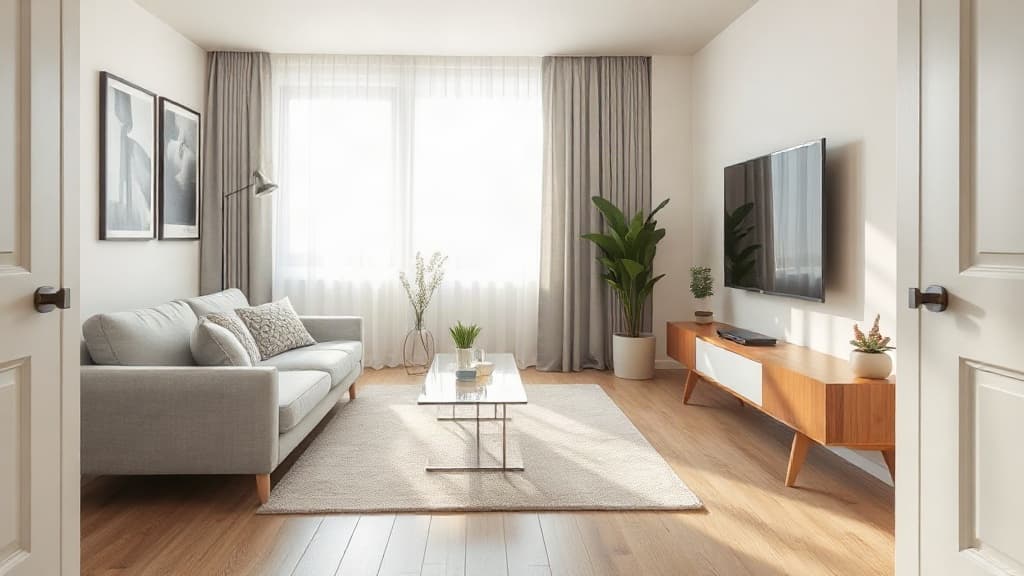
15 Small Living Room Ideas That Make Space Feel Bigger
Get practical ideas for arranging furniture, choosing colors, and adding storage to make a small living room feel more spacious and functional.