Minimalist Interior Design Ideas for a Calm Home
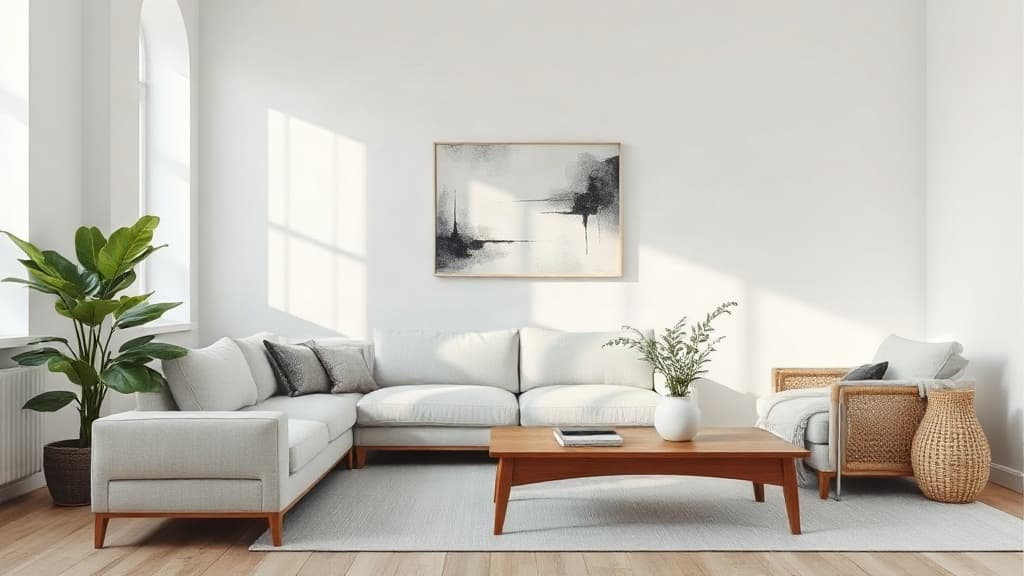
Minimalist interior design creates a calm, functional home by removing clutter and focusing on essential items. It uses clean lines, a simple color palette, and purposeful furniture. The goal is a space that feels open, orderly, and easy to maintain, not empty or cold.
1. Start with a neutral color base
A minimalist color scheme uses neutrals as a foundation. Paint walls in shades like white, light gray, or beige. These colors make a room feel larger and brighter by reflecting light. They also create a calm background that doesn't compete with your furniture or artwork.
Use one or two main colors for about 70% of the room. The remaining 30% can include natural materials like wood or black metal accents. Avoid using more than three main colors in one space. A common mistake is choosing a warm white for walls but cool white for trim; keep undertones consistent.
2. Choose furniture with clean lines
Select furniture with simple, geometric shapes and no ornate detailing. Look for sofas, tables, and shelves with straight lines or gentle curves. Pieces should sit on legs, creating a sense of lightness and space underneath. A sofa with exposed wooden legs, for example, appears lighter than one that sits directly on the floor.
Measure your room before buying. In a living room, leave at least 90 cm (35 inches) of clear walking space around furniture. A large sectional sofa can overwhelm a small room; often a simple two-seater and one armchair is enough. Each piece should have a clear purpose, not just fill space.
3. Implement hidden and integrated storage
Clutter is the main enemy of a minimalist look. Build storage that hides belongings out of sight. Use floor-to-ceiling cabinets with push-to-open doors that have no handles. In a bedroom, a platform bed with large drawers underneath can store bedding and off-season clothing.
Designate a home for every item. Use drawer dividers in kitchens and desks to keep contents organized. For media equipment, use a cabinet with doors that close or a wall-mounted unit that conceals wires. Open shelving should be used sparingly and only for a few curated items you want to display.
4. Let in maximum natural light
Natural light makes spaces feel open and airy. Avoid heavy window treatments. Use simple roller blinds, sheer curtains, or leave windows bare. If you need privacy, consider translucent film that sticks to the glass. It lets light in while obscuring the view from outside.
Position mirrors opposite windows to double the amount of light in a room. A large mirror, at least 120 cm (47 inches) tall, works best. Keep window sills clear. Artificial lighting should be simple: recessed ceiling spots or a single, well-designed pendant light are often sufficient.
5. Select a few high-quality decorative items
Decoration in minimalism is about careful selection, not absence. Choose two or three meaningful items per surface, like a single vase on a dining table or one large piece of art above a sofa. The items should have enough space around them to be appreciated individually.
Group items in odd numbers, like a set of three candles. Vary heights and textures but keep colors cohesive. A common mistake is using too many small, similar trinkets; it looks busy. Instead, pick one larger, sculptural object. For more Minimalist Style ideas, explore our dedicated section.
6. Embrace empty space on walls and floors
Do not feel the need to cover every wall with art or every corner with furniture. Leave some walls completely blank. This empty space, or 'negative space', is a key part of the design. It gives the eye a place to rest and makes the room feel less crowded.
On floors, allow large areas of flooring to be visible. A rug should not touch the walls; leave at least 30 cm (12 inches) of floor showing around its edges. In a bedroom, you might only have a bed, one nightstand, and a rug, with most of the floor uncovered.
7. Use texture to add visual interest
Since color is limited, texture becomes important to prevent a room from feeling sterile. Introduce texture through materials like a wool rug, a linen sofa, a wooden dining table, or a woven basket. These elements add depth and warmth without adding visual clutter.
Combine different textures in one room. For example, pair a smooth leather chair with a nubby wool throw. In a bathroom, use matte stone tiles next to polished chrome fittings. Limit textures to four or five types per room to maintain simplicity.
8. Maintain clear surfaces and sightlines
The tops of tables, counters, and consoles should be kept as clear as possible. Put away daily items like remotes, keys, and mail in assigned drawers or trays. In the kitchen, keep countertops free by storing appliances in cabinets when not in use.
Arrange furniture to create clear pathways and open sightlines across the room. Avoid placing tall furniture, like bookcases, in the middle of a room where it blocks the view. The goal is to be able to see across the space easily, which makes it feel larger and more connected.
Looking for more? Browse more Minimalist Style ideas.
Key takeaways
Start with a neutral color palette for walls and large furniture. Invest in ample hidden storage to keep clutter out of sight. Choose a few decorative items you love and give them space to breathe. Regularly edit your belongings to maintain the calm, orderly feeling.
Frequently Asked Questions
Is minimalist design cold and uncomfortable?
No, minimalist design aims for calm, not coldness. It uses warm neutrals, natural materials like wood and linen, and soft textures to create a comfortable, inviting space. The comfort comes from order, lack of clutter, and easy maintenance, not from an abundance of decorative items.
How do I make a minimalist room feel cozy?
Add coziness with texture. Use a thick wool rug, soft linen curtains, and cushions in natural fabrics. Incorporate warm wood tones on furniture or floors. A single, soft throw blanket on a sofa can add warmth without visual clutter. Lighting is also key; use warm white bulbs, not cool white.
Can I have color in a minimalist design?
Yes, but use color strategically. Keep walls and large furniture neutral. Add color in one or two accents, like a single deep blue armchair, a piece of abstract art, or a collection of books on a shelf. The color should be intentional and not spread randomly throughout the room.
How do I deal with everyday clutter like mail and toys?
Designate specific, hidden homes for daily clutter. Use a drawer with dividers for mail and paperwork. For toys, use a large, styled basket with a lid or a low cabinet with bins that children can access. The rule is to have a simple, accessible place to put things away at the end of the day.
Read Also
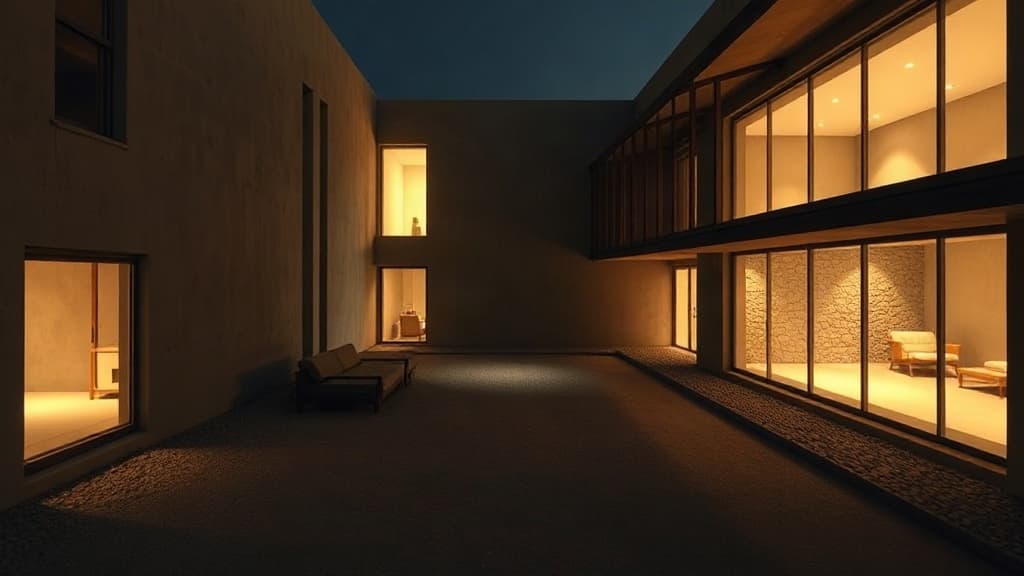
The Space Between Things: How Minimalism Finds its Heart in Empty Corners
Forget stark austerity. True minimalist design thrives in the thoughtful balance between object and void, creating spaces for inspiration, calm, and life itself.
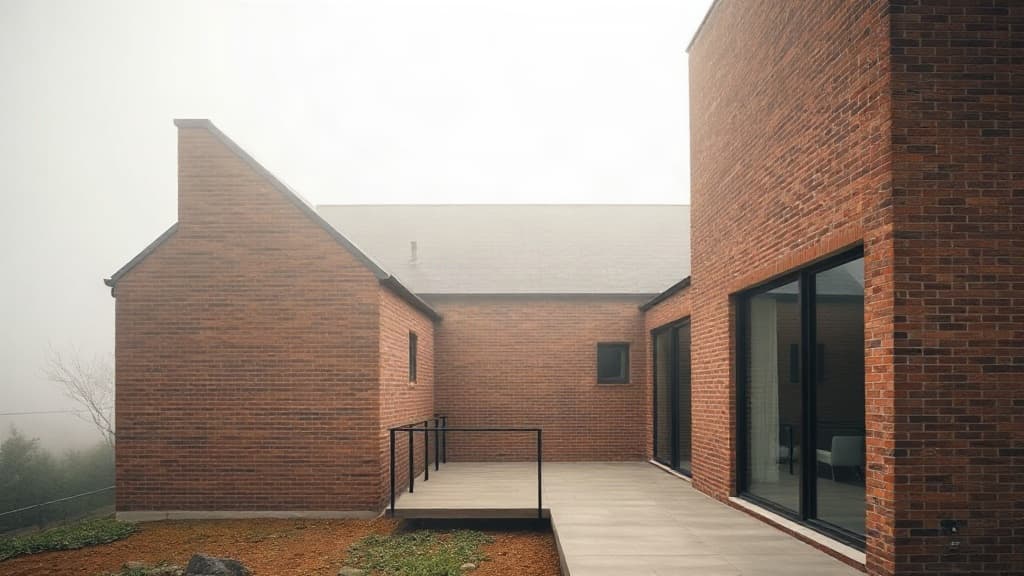
The Intentional Home: Adopting Minimalism as a Daily Practice
Minimalism is more than an aesthetic; it's a practical philosophy for creating a serene and functional living environment. Discover actionable strategies to declutter your space and mind.
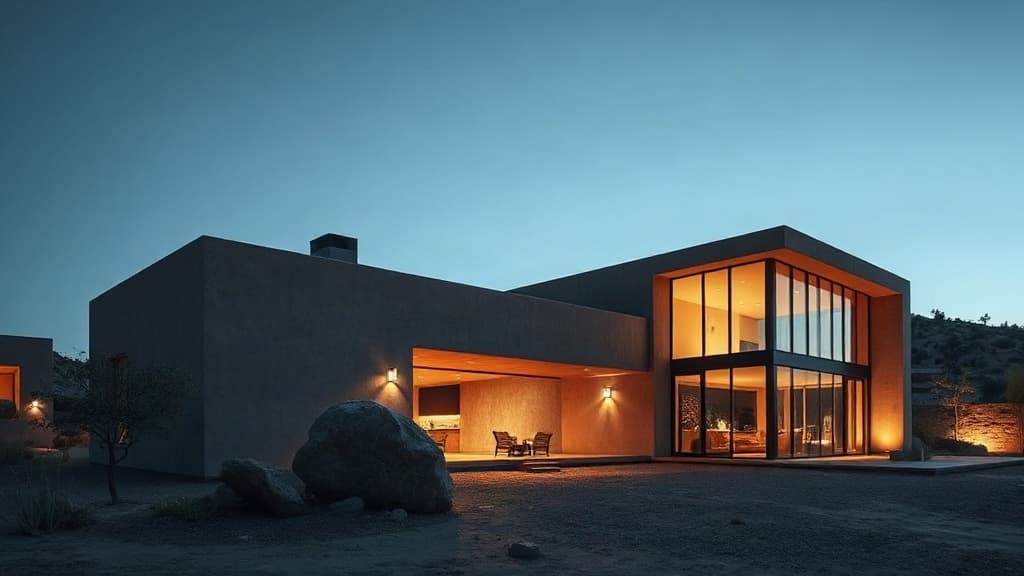
The Unspoken Grammar: How Materials, Light & Detail Write Minimalism's Story
Minimalism is not about what you remove, but about the profound conversation that begins with what remains. We explore the language of restraint written in surfaces, shadows, and intentional details.