The Intentional Home: Adopting Minimalism as a Daily Practice
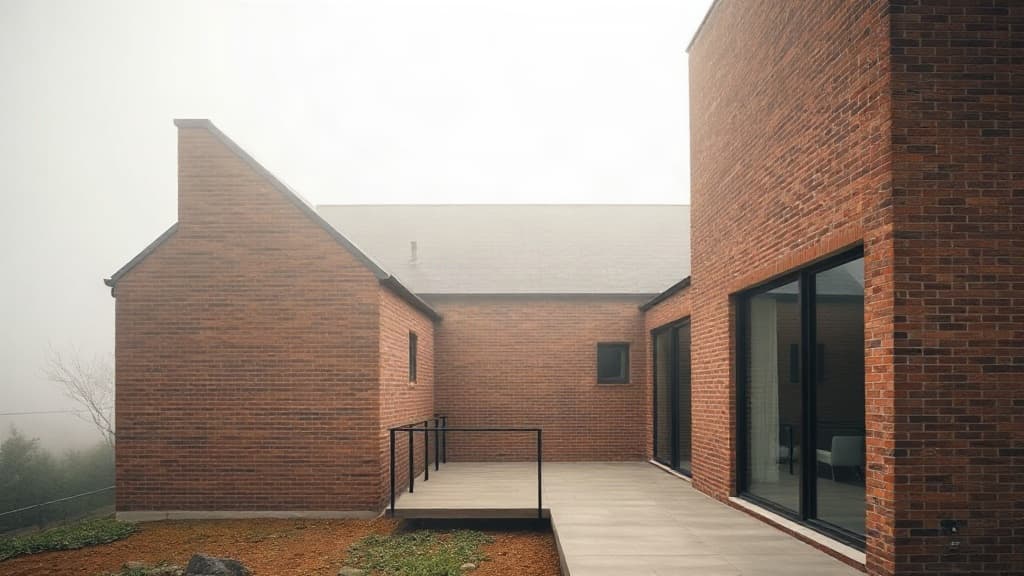
For years, minimalist style has been celebrated in design magazines as a pristine, almost unattainable ideal—a realm of stark white walls and impossibly empty surfaces. Yet, for the homeowner, this rigid interpretation can feel disconnected from the vibrant, often messy reality of daily life. True minimalism is not about emptiness, but intentionality. It is a practical framework for editing your surroundings to amplify function, foster calm, and celebrate the objects you truly love. Moving beyond the magazine spread, this approach becomes a liberating daily practice, transforming your home into a sanctuary of clarity and purpose.
Begin with the art of the edit. The journey towards a minimalist home starts not with buying new storage, but with a courageous audit of what you already own. Adopt a category-by-category method: tackle books one week, kitchenware the next. For each item, ask a simple yet powerful question: "Does this serve a vital function or bring me genuine joy?" Be honest. That gifted vase you've never liked, the duplicate tools, the 'just-in-case' electronics—these are the silent contributors to visual noise. Letting them go is not a loss, but a reclaiming of space and attention. Remember, minimalism is a process, not a destination; it’s perfectly acceptable to proceed at your own pace.
Once you've curated your possessions, focus on creating a sense of visual order. This is where the minimalist aesthetic becomes tangible. Introduce concealed storage like cabinets with clean lines or benches with hidden compartments to taway daily essentials. When displaying items, practice restraint. Group similar objects in small, thoughtful arrangements rather than scattering them. A single statement artwork will have far more impact than a gallery wall of assorted prints. Prioritise natural materials like wood, linen, and stone; their inherent texture adds warmth and prevents the space from feeling sterile. Most importantly, be mindful of every new acquisition. Each addition should be a considered choice that supports your vision for a calm, purposeful home.
Ultimately, adopting a minimalist mindset is about cultivating an environment that supports your well-being. It’s a conscious choice to surround yourself only with what matters, reducing distraction and creating room—both physically and mentally—for what you value most. For further inspiration on defining your home's aesthetic, see more Styles stories.
Read Also
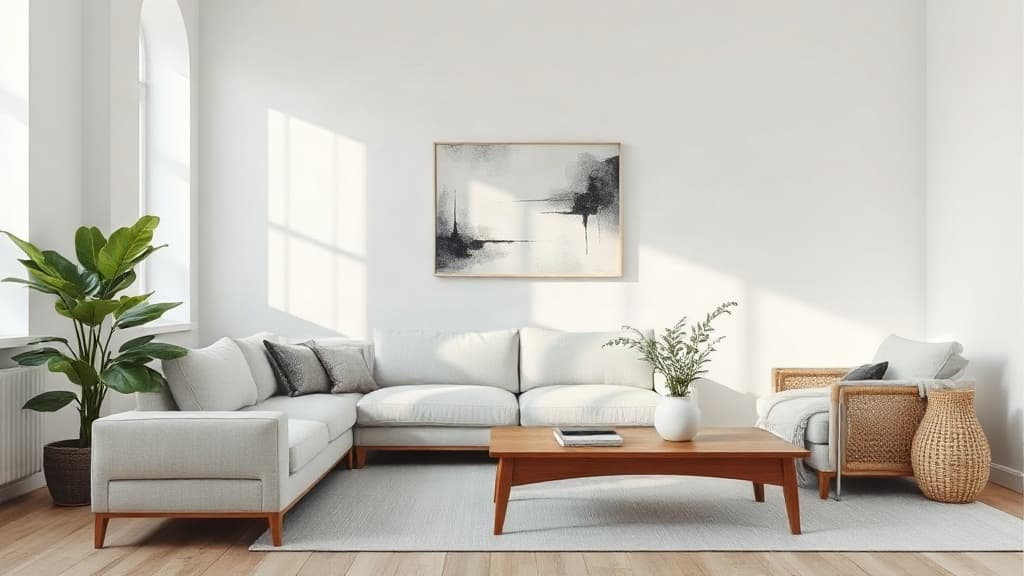
Minimalist Interior Design Ideas for a Calm Home
Practical ideas for a minimalist home, from choosing furniture to hiding clutter. Learn how to use color, light, and storage.
The Space Between Things: How Minimalism Finds its Heart in Empty Corners
Forget stark austerity. True minimalist design thrives in the thoughtful balance between object and void, creating spaces for inspiration, calm, and life itself.

The Unspoken Grammar: How Materials, Light & Detail Write Minimalism's Story
Minimalism is not about what you remove, but about the profound conversation that begins with what remains. We explore the language of restraint written in surfaces, shadows, and intentional details.