The Space Between Things: How Minimalism Finds its Heart in Empty Corners
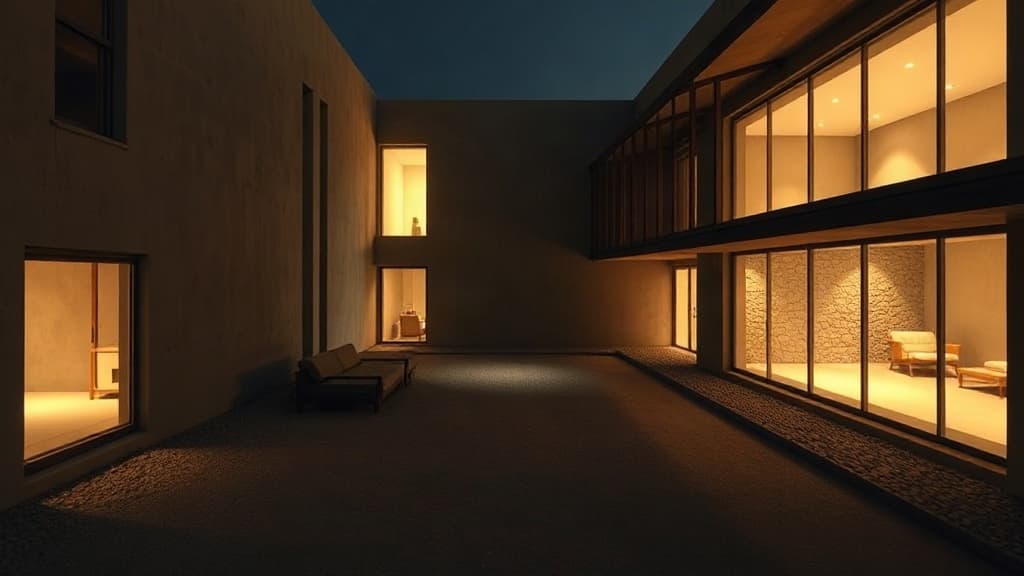
Minimalism is too often mistaken for an aesthetic of absence. Yet, walk into a home where this style is lived rather than just displayed, and you feel not emptiness, but profound presence. The minimalist ethos, at its core, is not about subtracting for subtraction's sake, but about curating with a radical focus on essence. It’s a philosophy that clears away the noise—both physical and visual—to create a sanctuary where every chosen object and every inch of space is intentional. This creates a powerful dialogue between form and void, where the 'space between things' becomes as vital as the things themselves. It's in this breathing room that inspiration blossoms, and daily life finds its quiet, rhythmic pace.
The true magic of minimalism reveals itself not in showrooms, but in lived-in homes. Consider the Cairo apartment where a local architect, inspired by traditional Arab courtyard houses, translated the concept of the central void into a modern interior. A vast, sunlit living area is defined not by an abundance of furniture, but by a single, low-slung linen sofa and a vintage Berber rug. The walls are bare except for one meticulously framed Arabic calligraphy piece. Here, minimalism isn't cold; it’s a canvas that magnifies the quality of light throughout the day and turns the artwork into a meditative focal point. The emptiness is active, inviting contemplation and framing the ever-changing play of shadows.
Further east, a Dubai villa demonstrates how minimalism can embrace warmth and texture. The owners, a young family, wanted a calm retreat from the city's bustle. The solution was a palette of raw, tactile materials: honed travertine floors, creamy plaster walls, and solid oak joinery. The furniture is sparse—a sculptural dining table, a pair of deeply comfortable armchairs—but each piece feels substantial and inviting. The 'clutter' here is intentional and human: a stack of beautiful books on a shelf, a single vase holding a seasonal branch. This space proves that minimalism isn't opposed to comfort or personality; it's a framework that elevates them, ensuring that what remains is deeply loved and genuinely used.
Ultimately, minimalist style is a journey towards intentionality. It asks us to consider what we truly need to feel at peace and what objects truly spark joy. It’s less about following a rigid set of rules and more about cultivating an eye for balance, proportion, and the serene power of negative space. By learning from these real-world applications, we see that minimalist spaces are not sterile end points, but dynamic environments that support a more focused and inspired life. For further exploration of this and other design philosophies, we invite you to see more Styles stories.
Read Also
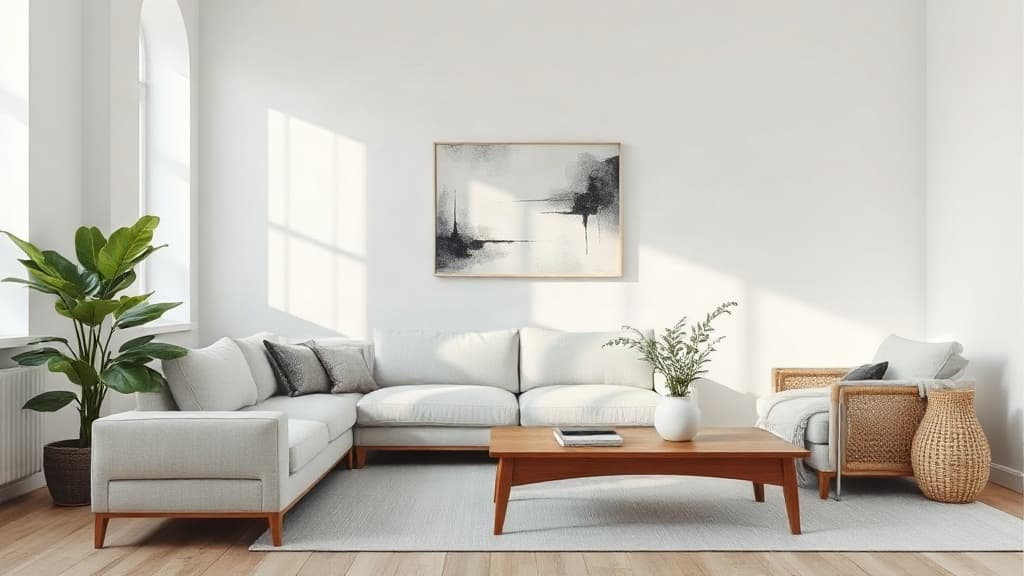
Minimalist Interior Design Ideas for a Calm Home
Practical ideas for a minimalist home, from choosing furniture to hiding clutter. Learn how to use color, light, and storage.
The Intentional Home: Adopting Minimalism as a Daily Practice
Minimalism is more than an aesthetic; it's a practical philosophy for creating a serene and functional living environment. Discover actionable strategies to declutter your space and mind.
The Unspoken Grammar: How Materials, Light & Detail Write Minimalism's Story
Minimalism is not about what you remove, but about the profound conversation that begins with what remains. We explore the language of restraint written in surfaces, shadows, and intentional details.