Guide
Everyday Landscapes: How Public Design Principles Can Transform Your Home

For the homeowner, the world of grand public projects—soaring museums, serene parks, bustling plazas—can feel distant and purely aesthetic. Yet, the foundational principles guiding these successful landscapes are not confined to civic scale. They are, in fact, a rich repository of practical wisdom that can profoundly enhance the daily experience of your private domain. By observing how experts shape our shared environments, you can borrow strategies to improve flow, connection, and well-being within your own walls and garden.
First, consider the power of pathways and thresholds. In a great park, paths don’t just connect A to B; they choreograph a journey, offering moments of pause, revelation, and choice. Apply this to your home by thinking beyond mere corridors. Can a hallway become a gallery for family art, lit to highlight memories? Does the path from your kitchen to your garden feel like a functional afterthought or a deliberate transition? Introduce a small bench, a change in flooring texture, or a framed view to create a sense of arrival, transforming a mundane passage into a meaningful experience. Public spaces master the art of the ‘in-between’—those spaces that aren't quite rooms but are essential connectors. Your own foyer, landing, or patio edge holds the same potential.
Second, embrace the discipline of 'programming.' Landscape architects don’t just plant trees; they program activities. A square might zone areas for quiet contemplation, active play, and social gathering. Your backyard or living room can benefit from the same intentional zoning. Instead of one amorphous lawn, define distinct 'rooms': a dining terrace with overhead structure, a firepit circle for evenings, and a secluded reading nook under a tree. Use planting, subtle level changes, or different paving to delineate these zones without building walls. This creates clarity and purpose, inviting specific uses and reducing the friction of decision-making, much like a well-planned public park guides its visitors effortlessly through varied experiences.
Ultimately, the lesson from the public realm is intentionality. Every bench placement, light fixture, and material choice in a great plaza is considered for its human impact. Bring that scrutiny home. Ask: Does my garden gate invite exploration? Does my terrace lighting foster conversation or glare? Does the seating arrangement in my living room encourage connection or isolation? By adopting the mindset of a landscape architect designing for the public, you shift from decorating space to crafting place—a place that supports, inspires, and rejuvenates your family. For more insights on how architectural thinking can elevate your surroundings, [see more Architecture stories](/architecture/public-landscape).
Read Also
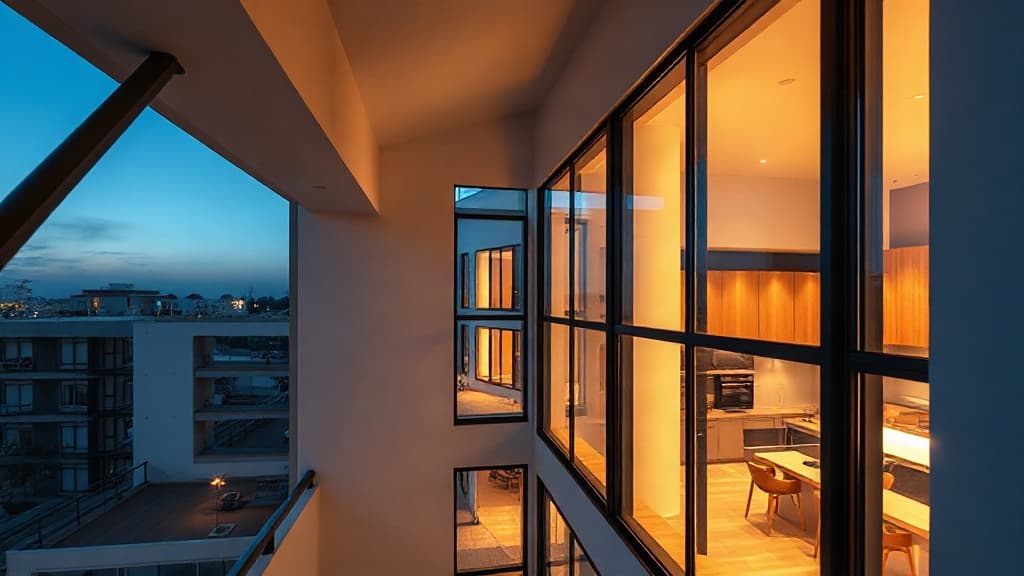
Feature
The Public Tapestry: Weaving Place with Material, Light, and Craft
How the intricate interplay of substance, illumination, and meticulous detail transforms shared landscapes into profound civic experiences.
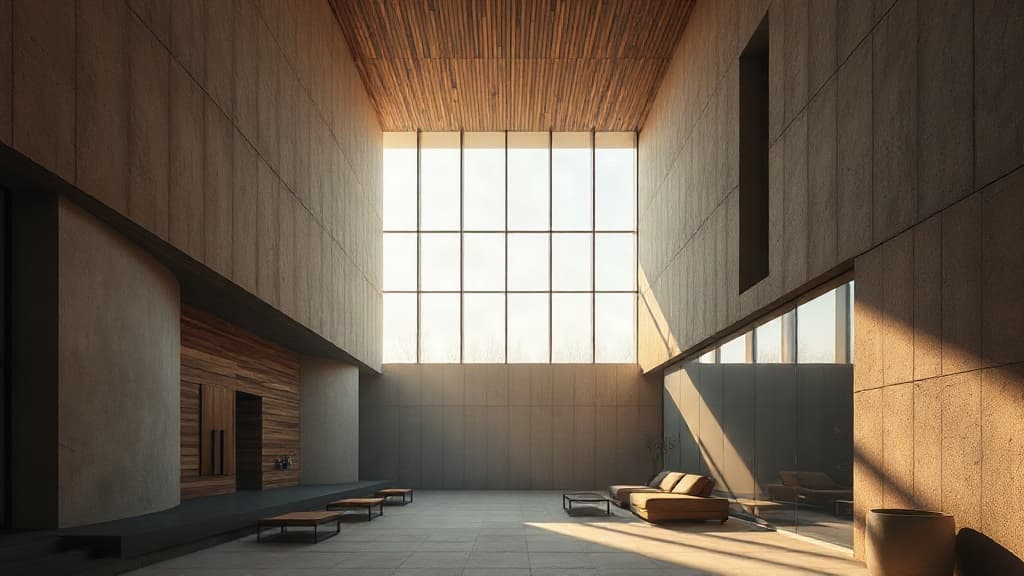
Design
The Common Ground: Foundational Principles of Public and Landscape Architecture
Exploring the core design philosophies that shape our shared civic spaces, from bustling plazas to serene parks.
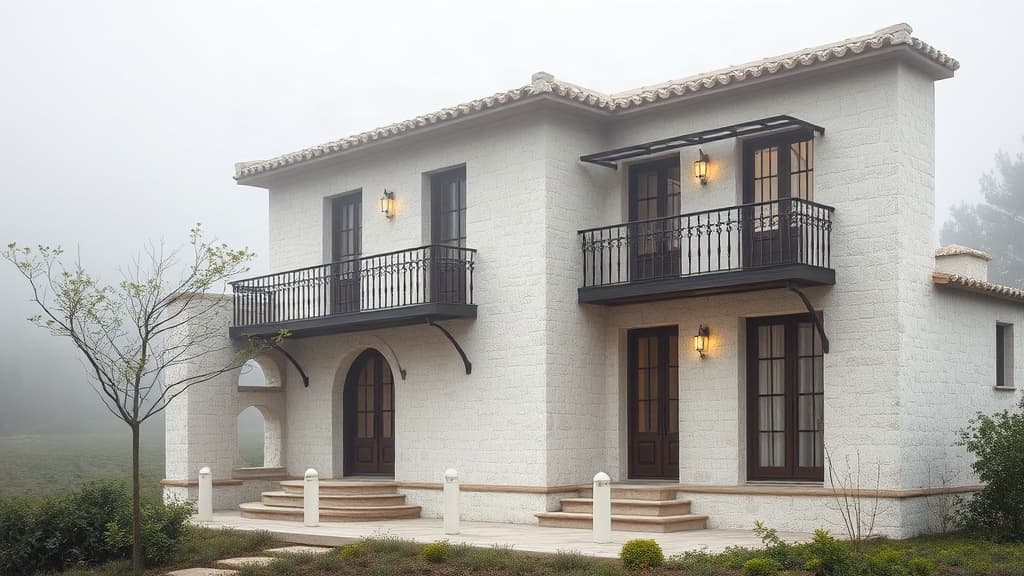
Feature
When Architecture Grows: Living Buildings Shaping Our Future
Beyond theory, sustainable architecture is a living, breathing reality. We explore visionary projects where built environments actively heal, regenerate, and inspire.