From Abstract to Tangible: How Moodboards and Lookbooks Bridge Inspiration and Reality
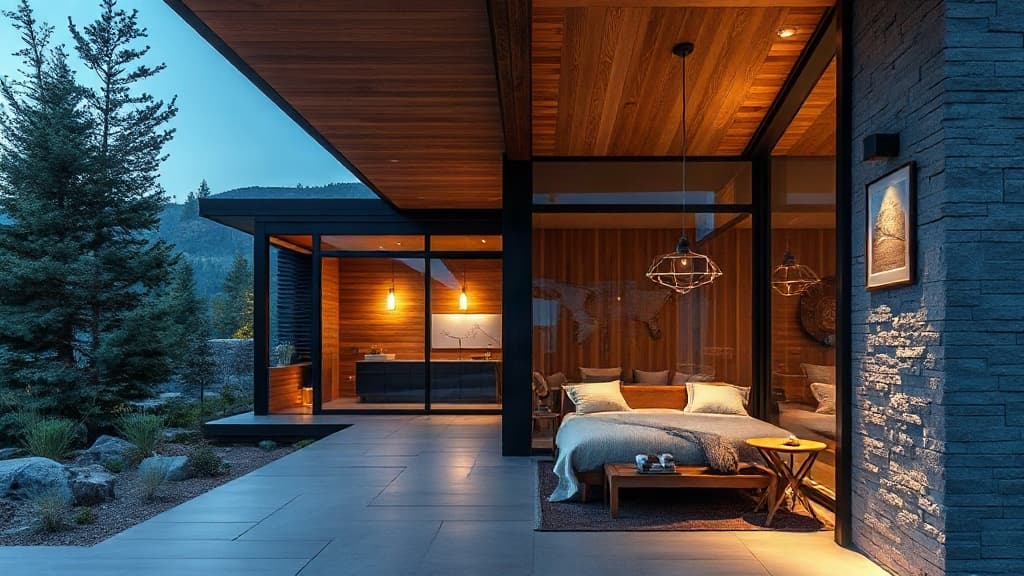
In the world of design, inspiration is a mercurial guest. It might arrive in a flash of colour, the texture of a forgotten fabric, or the feeling evoked by a photograph. The challenge has always been how to capture this ephemeral energy and translate it into a tangible, buildable reality. This is where the alchemy of moodboards and material lookbooks comes into play—not as mere collections of pretty images, but as essential tools for navigating the journey from abstract concept to concrete space.
Consider the moodboard as the narrative foundation. It tells the story of a space before a single line is drawn. A recent residential project in Dubai began with a moodboard dominated by sun-bleached desert tones, the fluid lines of Arabic calligraphy, and the patina of aged brass. This wasn't just about colour schemes; it was about establishing an atmosphere of serene, sun-drenched luxury rooted in its locale. The moodboard became the project's North Star, ensuring every subsequent decision—from the curvature of a wall to the choice of a light fixture—remained true to that initial, evocative feeling. It's a visual thesis statement, aligning client and designer on the emotional destination.
The material lookbook then builds upon this narrative with physical substance. It is the tactile companion to the moodboard's vision. For the same Dubai project, the lookbook contained actual samples of fossil-embedded limestone, hand-woven linen in a sand hue, and brushed brass metal swatches. This physical curation allowed the client to feel the weight of the stone and see how the linen diffused the harsh afternoon light. In a commercial fit-out for a Beirut café, the lookbook juxtaposed rough-hewn basalt tiles with sleek, powder-coated steel and locally crafted terrazzo. This direct comparison solved potential clashes on a sample board, not on the finished wall, saving time, budget, and ensuring the material conversation supported the overall mood.
Ultimately, these tools are about translation and collaboration. They demystify the design process, giving clients a clear window into the designer's mind and creating a shared language. A moodboard articulates the 'why'—the feeling and the story. The material lookbook defines the 'how'—the tangible elements that will tell that story. Together, they form a critical bridge, ensuring that the initial spark of inspiration isn't lost in translation but is meticulously crafted into every detail of the lived-in space. For a deeper dive into the visual tools that shape our environments, see more Gallery stories.
Read Also
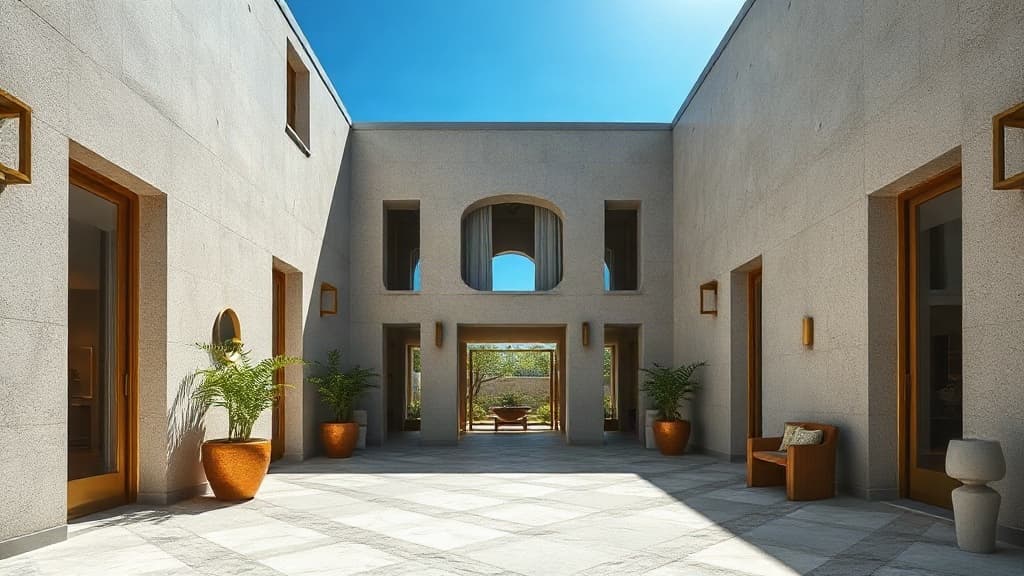
Your Design Compass: Moodboards and Material Lookbooks Decoded
Stop feeling lost in a sea of design ideas. Learn how to use moodboards and material lookbooks as your practical, hands-on toolkit for a cohesive and personal home transformation.
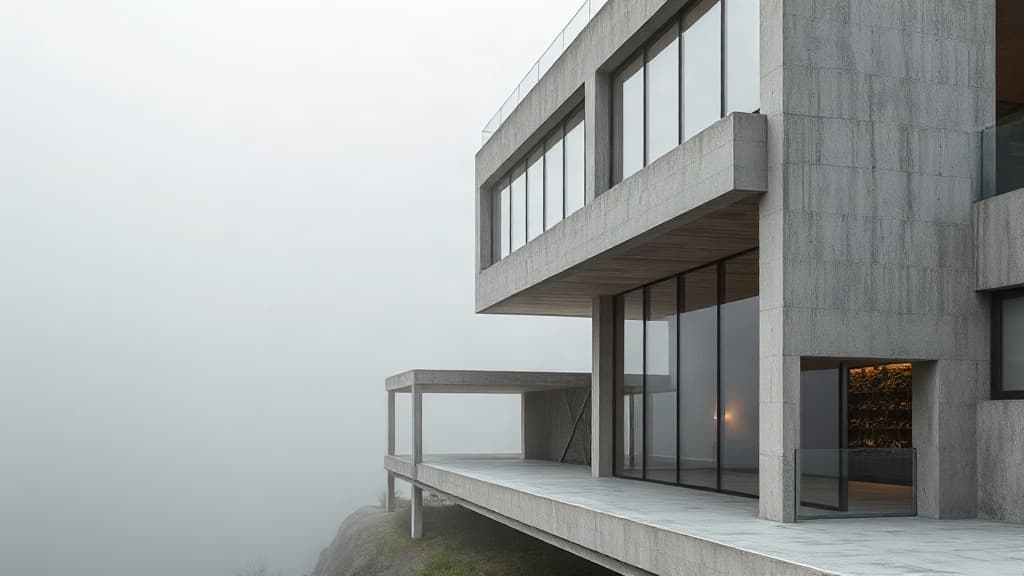
Moodboards & Material Lookbooks: The Alchemy of Light and Detail
Exploring how moodboards and lookbooks become the essential tools for designing spaces where light animates materials and details tell a story.
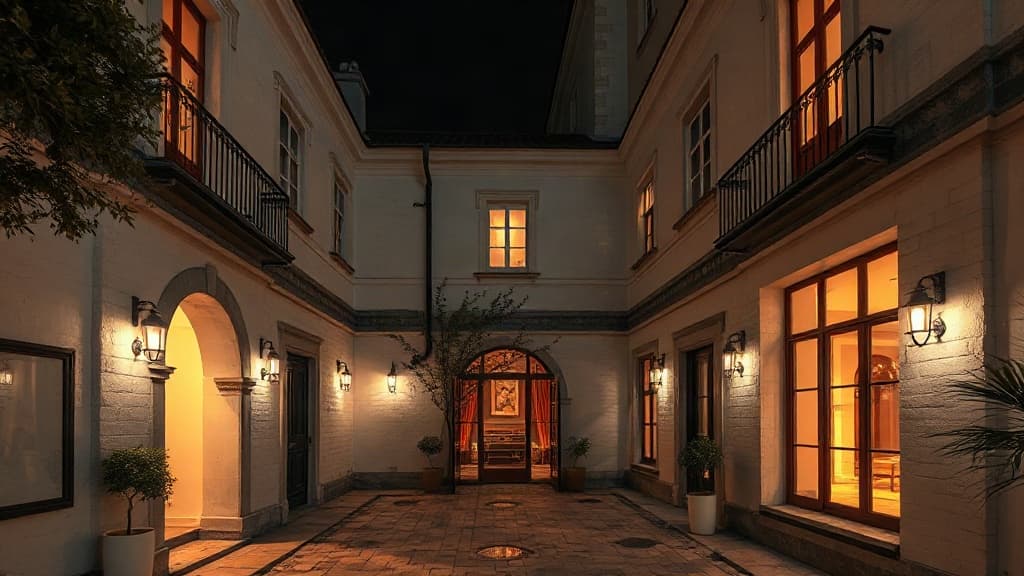
The Foundational Canvas: An Overview of Moodboards & Material Lookbooks
Before a single sketch is drawn, the essence of a design is born in the foundational canvas of moodboards and material lookbooks. We explore their distinct purposes and core principles.