Your Design Compass: Moodboards and Material Lookbooks Decoded
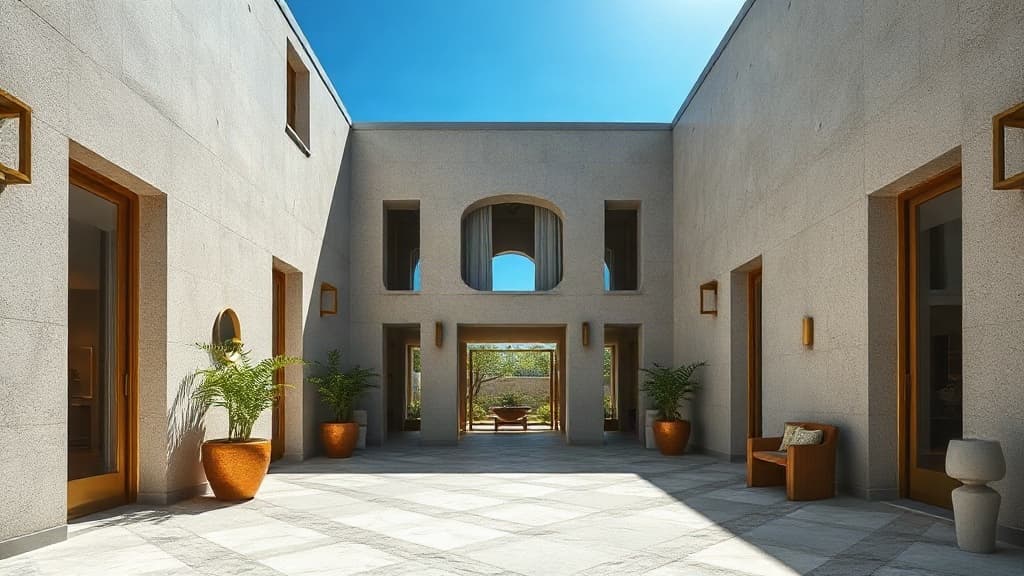
Every renovation or redecorating project begins with a whirlwind of inspiration—a Pinterest board overflowing with images, a folder of magazine tears, a head full of conflicting styles. For the homeowner, bridging the gap between this beautiful chaos and a finished, harmonious room is the greatest challenge. This is where moodboards and material lookbooks cease to be just professional jargon and become your most powerful personal tools. Think of them not as daunting design homework, but as your visual compass and tactile dictionary, guiding you toward a home that feels authentically yours.
Start Simple: Your Moodboard as a Visual Filter. Forget complex digital software; your journey can begin on a physical pinboard or a simple digital collage. The goal is not artistic perfection but clarity. Gather your top five inspirational images. What’s the common thread? Is it a feeling of serene minimalism, rich maximalist color, or rustic texture? A moodboard forces you to distill the essence of what you love. It moves you from abstract desire (‘I want a cozy living room’) to a concrete visual direction (‘I am drawn to earthy tones, soft linen textures, and walnut wood’). This single board becomes your project’s North Star, a reference you can return to whenever you’re faced with a choice, ensuring every decision supports the same overarching vibe.
Get Tactile: Your Material Lookbook is a Reality Check. While a moodboard captures the spirit, a material lookbook grounds it in reality. This is where you move from pixels to physical samples. Collect paint swatches, fabric cuttings, tile chips, and wood stains. Assemble them side-by-side. Does that dreamy gray paint look too cold next to your chosen oak flooring? Does the linen fabric feel as durable as you need for a family sofa? This hands-on process is invaluable. It prevents costly mistakes and reveals harmonies and clashes invisible on a screen. Keep these samples in a folder or box, adding notes on cost and supplier. This curated collection transforms you from a passive dreamer into an informed project manager.
Ultimately, these tools empower you to communicate your vision clearly, whether you’re working solo, with a partner, or hiring a professional. They translate personal taste into a shared language, saving time, money, and frustration. The process of creating them is, in itself, a clarifying design journey. For a deeper dive into visual planning, see more Gallery stories.
Read Also
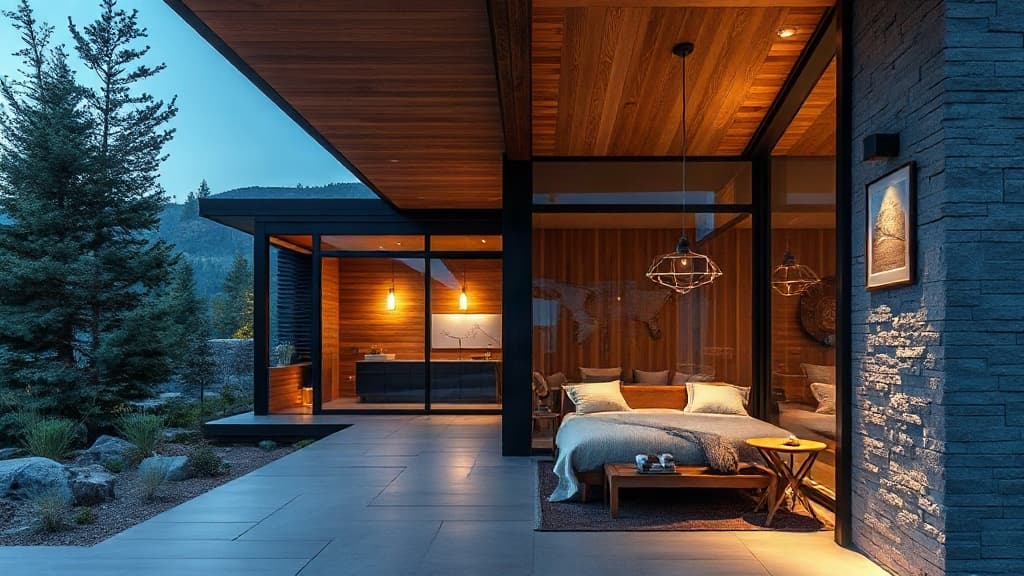
From Abstract to Tangible: How Moodboards and Lookbooks Bridge Inspiration and Reality
Explore how designers use moodboards and material lookbooks to transform fleeting inspiration into concrete, buildable projects, illustrated with real-world examples.
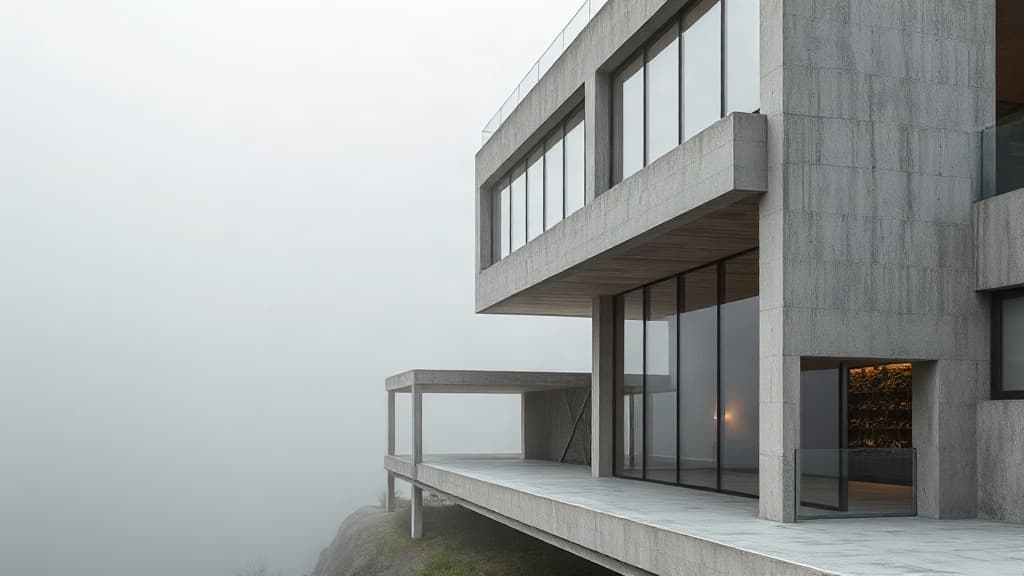
Moodboards & Material Lookbooks: The Alchemy of Light and Detail
Exploring how moodboards and lookbooks become the essential tools for designing spaces where light animates materials and details tell a story.

The Foundational Canvas: An Overview of Moodboards & Material Lookbooks
Before a single sketch is drawn, the essence of a design is born in the foundational canvas of moodboards and material lookbooks. We explore their distinct purposes and core principles.