The Foundational Canvas: An Overview of Moodboards & Material Lookbooks
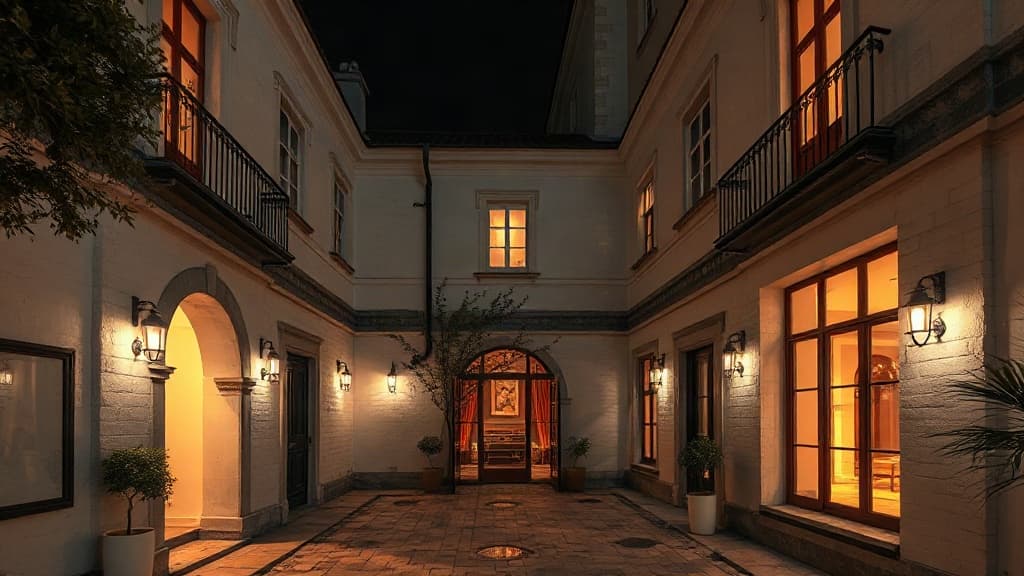
In the eloquent narrative of architectural and interior design, the story begins long before construction commences or a single piece of furniture arrives. It unfolds in the preliminary, often poetic, stages of conception. Here, two critical tools act as the foundational canvas for any project: the moodboard and the material lookbook. While frequently mentioned in the same breath, they serve distinct, complementary roles in translating abstract vision into tangible reality.
At its heart, a moodboard is an exercise in emotional curation. It captures the intangible ‘feel’ of a space—the atmosphere, the narrative, the soul. Its primary design principle is thematic cohesion. A successful moodboard is not merely a collection of attractive images; it’s a filtered selection of photographs, textures, color palettes, and inspirational objects that collectively evoke a specific emotional response. The principle of visual harmony guides this process, ensuring that disparate elements converse in a shared dialect of style and sentiment. This board becomes the project's North Star, a constant reference point for the intended ambiance.
Conversely, a material lookbook operates in the realm of the tactile and the technical. Its core principle is specification and feasibility. Where a moodboard speaks of ‘misty morning light,’ a lookbook specifies the exact fabric for the drapery, the finish on the cabinetry, and the veining pattern of the marble countertop. Its success hinges on the principles of organization and realism. Swatches, samples, technical data sheets, and supplier information are compiled with meticulous clarity. This book serves as the practical bridge between inspiration and execution, ensuring that the ethereal qualities of the moodboard can be physically constructed and sourced.
The most powerful projects arise from the symbiotic relationship between these two tools. The moodboard provides the ‘why,’ the compelling story, while the lookbook details the ‘how,’ the material reality. Following these core principles ensures a design process that is both creatively vibrant and rigorously grounded. For a deeper dive into the visual language of these essential tools, see more Gallery stories.
Read Also
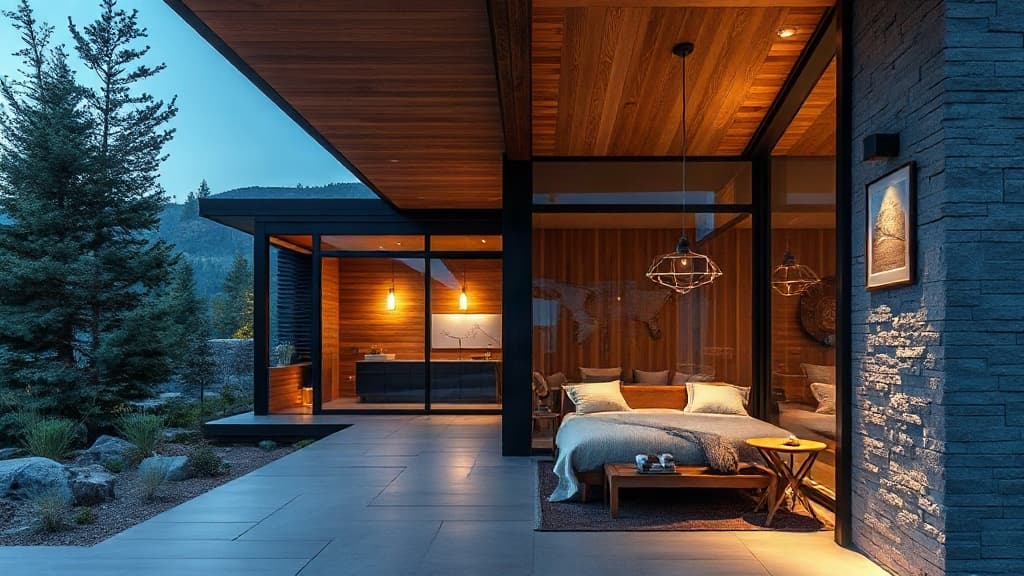
From Abstract to Tangible: How Moodboards and Lookbooks Bridge Inspiration and Reality
Explore how designers use moodboards and material lookbooks to transform fleeting inspiration into concrete, buildable projects, illustrated with real-world examples.
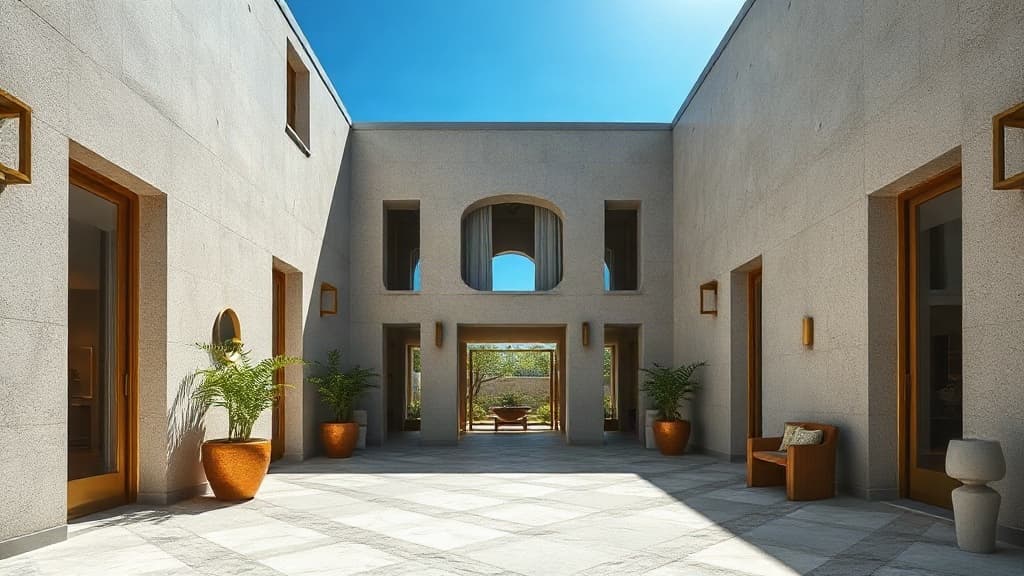
Your Design Compass: Moodboards and Material Lookbooks Decoded
Stop feeling lost in a sea of design ideas. Learn how to use moodboards and material lookbooks as your practical, hands-on toolkit for a cohesive and personal home transformation.
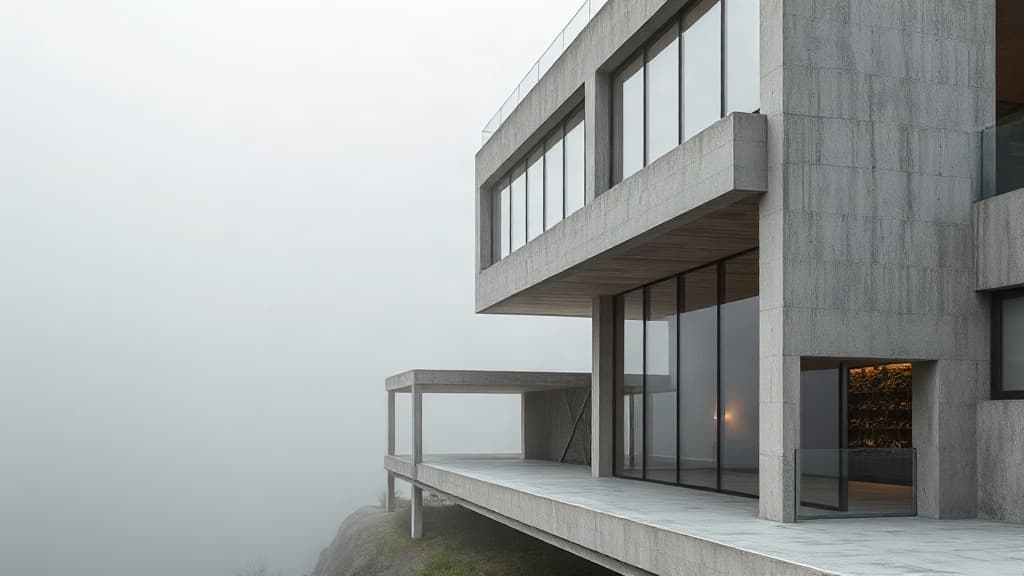
Moodboards & Material Lookbooks: The Alchemy of Light and Detail
Exploring how moodboards and lookbooks become the essential tools for designing spaces where light animates materials and details tell a story.