Moodboards & Material Lookbooks: The Alchemy of Light and Detail
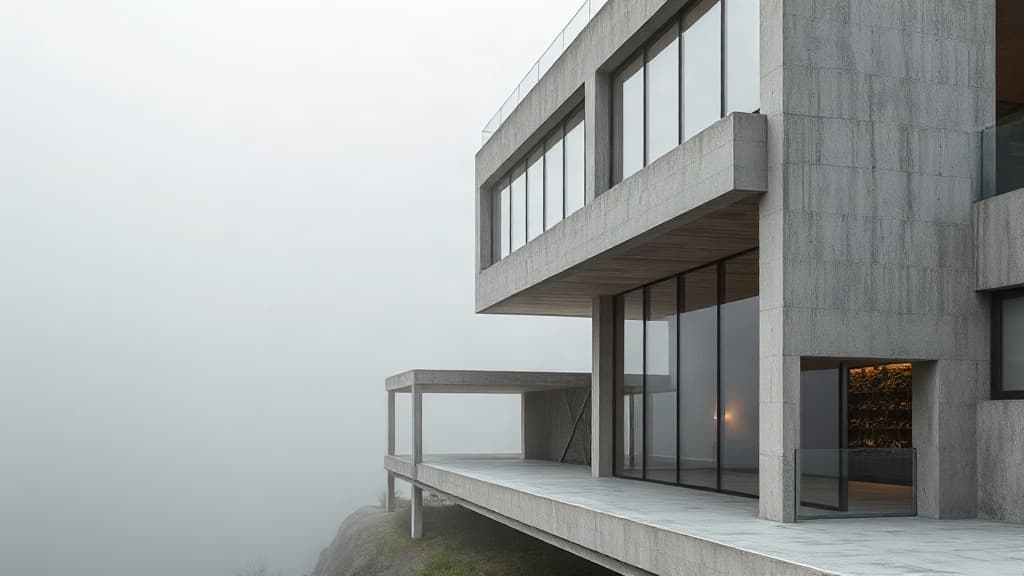
In the architect’s studio or the designer’s atelier, the initial spark of a concept rarely arrives fully formed. It flickers as a feeling, a texture, a sliver of light. The crucial task is to capture that ephemeral vision and give it a tangible form, a shared language. This is the alchemical purpose of the moodboard and the material lookbook: they are not mere collages of inspiration but the foundational documents where a space’s soul is first articulated. They are where the abstract dance of 'mood' is translated into the concrete dialogue of 'material,' guided by the pivotal actors of light and detail.
Here, materials are not selected in isolation. A moodboard curates a conversation between them: the cool whisper of honed marble against the warm, grainy narrative of oak; the rigid geometry of polished steel softened by the fluid drape of linen. This curation is a sensory hypothesis. Yet, a material’s true character is only revealed under light. The lookbook, therefore, must interrogate each sample. How does the midday sun ignite the metallic fleck in a terrazzo? Does the evening's ambient glow sink into a velvet upholstery, or does it skate across a lacquered surface? This study of luminosity—direct, diffused, reflected—determines whether a space feels energising or serene, expansive or intimate. The lookbook becomes a lighting blueprint in material form.
The final layer of this narrative is detail. This is where the broad strokes of the moodboard are resolved into a precise grammar. A lookbook page dedicated to joints, edges, and transitions asks the essential questions. Will the meeting of stone and wood be a sharp, shadow-lined reveal or a soft, bevelled embrace? How does a bronze door pull catch the light differently than a matte ceramic knob? These minutiae are the punctuation marks of design; they guide the hand, catch the eye, and ultimately define the quality of the lived experience. They ensure the concept’s poetry survives the prose of construction.
Ultimately, these visual compendiums are tools of translation. They bridge the gap between a designer’s vision and the client’s understanding, between an aesthetic impulse and a buildable specification. They prove that great design is a symphony, not a solo, where materials provide the tone, light directs the rhythm, and detail delivers the finesse. To understand this creative process is to appreciate the deliberate artistry behind every beautiful space. For a deeper dive into this visual language, see more Gallery stories.
Read Also
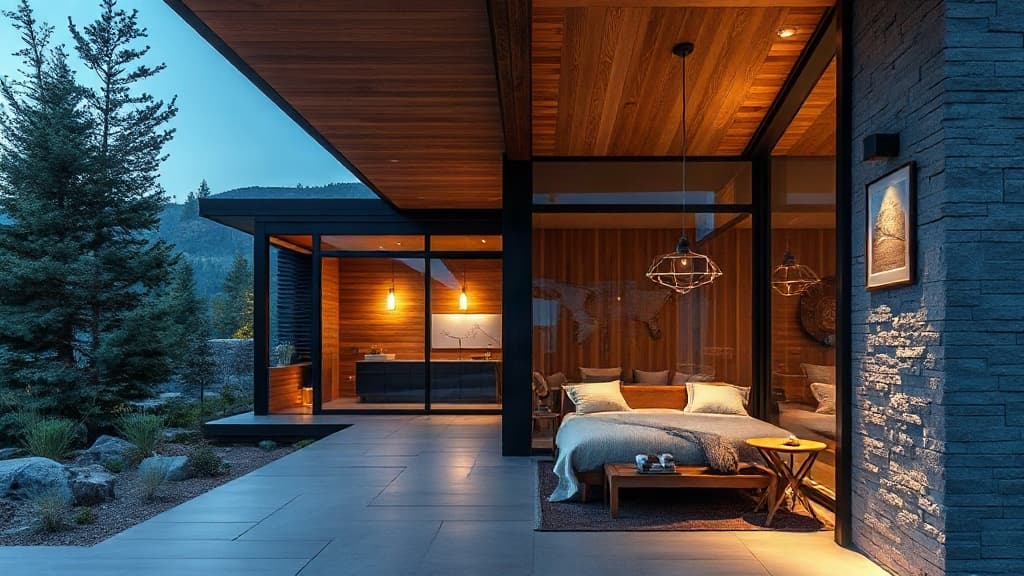
From Abstract to Tangible: How Moodboards and Lookbooks Bridge Inspiration and Reality
Explore how designers use moodboards and material lookbooks to transform fleeting inspiration into concrete, buildable projects, illustrated with real-world examples.
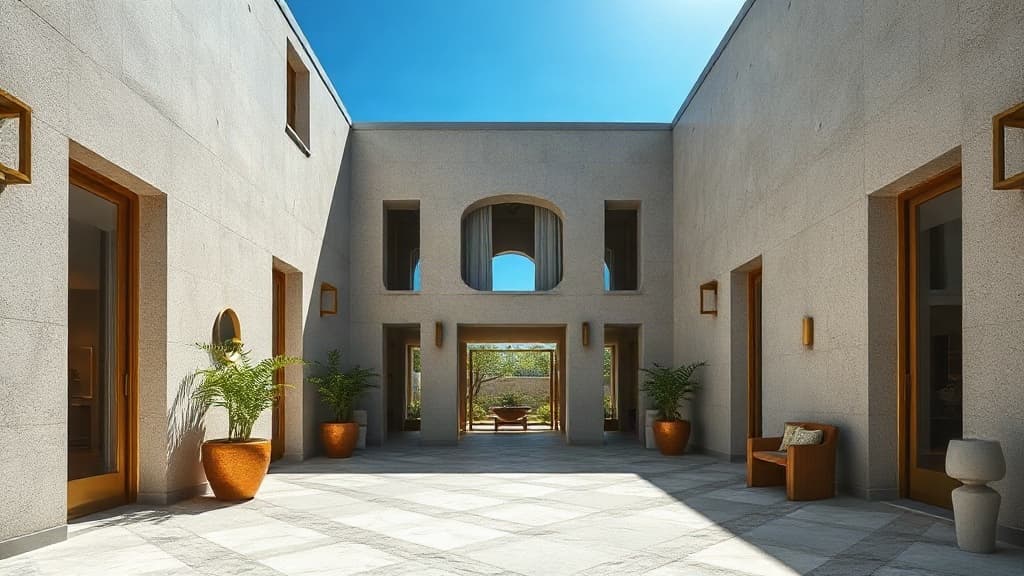
Your Design Compass: Moodboards and Material Lookbooks Decoded
Stop feeling lost in a sea of design ideas. Learn how to use moodboards and material lookbooks as your practical, hands-on toolkit for a cohesive and personal home transformation.
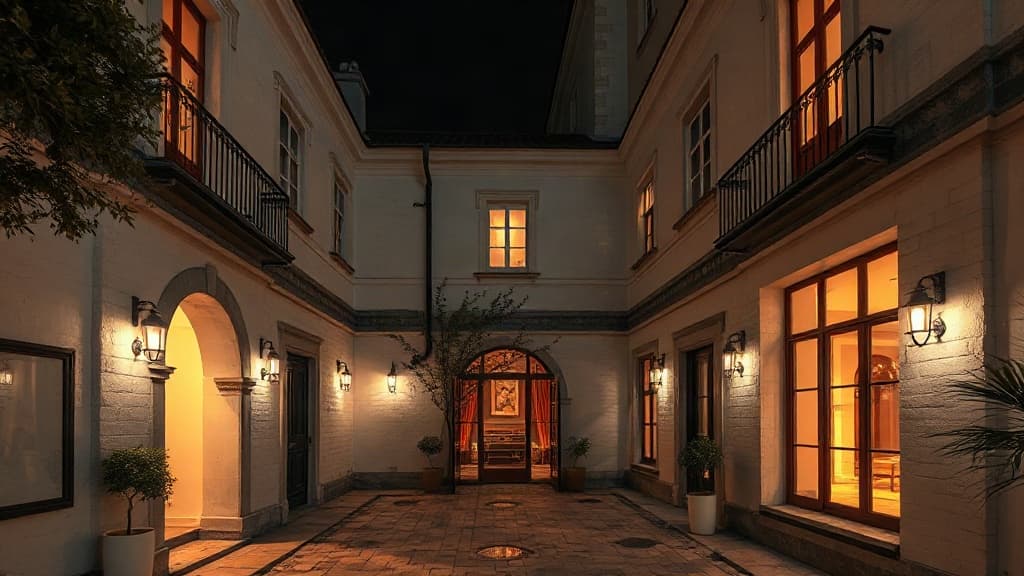
The Foundational Canvas: An Overview of Moodboards & Material Lookbooks
Before a single sketch is drawn, the essence of a design is born in the foundational canvas of moodboards and material lookbooks. We explore their distinct purposes and core principles.