Feature
From Urban Plazas to Verdant Corridors: Where Vision Meets Public Need
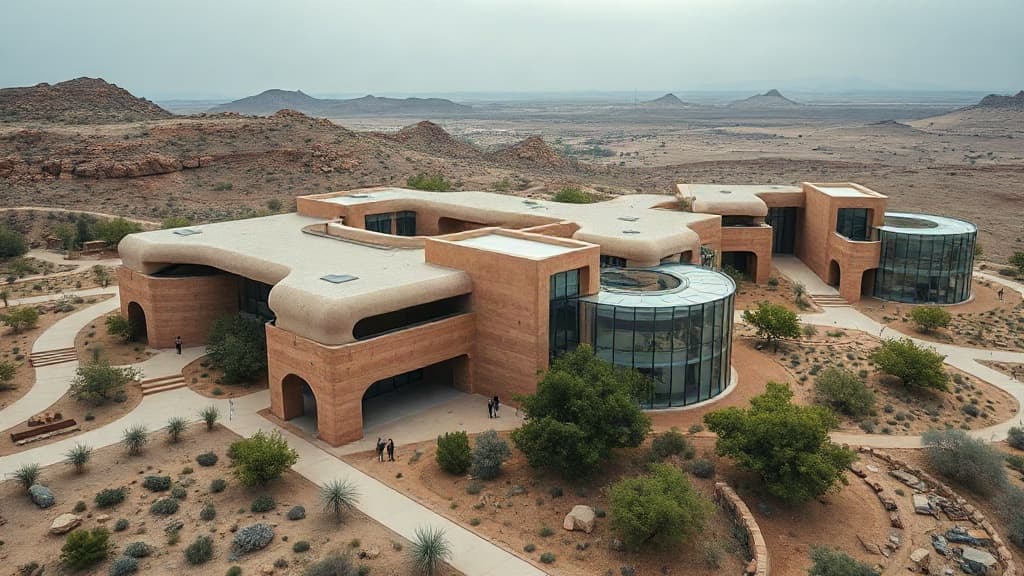
Public landscapes are more than just open spaces; they are the stages upon which the drama of civic life unfolds. They are the shared gardens, the lively plazas, and the reclaimed waterfronts that define a community's character. Yet, the most successful projects transcend mere functionality. They are born from a potent alchemy of inspired vision and a deep, pragmatic understanding of public need. This journey from inspiration to tangible, thriving space offers powerful lessons for architects, landscape designers, and citizens alike.
Inspiration is rarely found in a vacuum; it is discovered in the context of a place. Consider the transformation of derelict urban infrastructure, like the now-iconic High Line in New York City. The initial spark was a reverence for the wild, self-seeded beauty of an abandoned railway, a poignant reminder of the city's industrial past. This inspiration wasn't a purely aesthetic choice; it was a conceptual framework that honored the site's unique history while proposing a radical new use. Similarly, many successful waterfront parks draw inspiration from the natural dynamics of the shoreline itself, using tidal marshes, resilient native plantings, and flexible pathways that respond to seasonal flooding, turning environmental constraints into defining design features.
Turning this inspiration into a real-world success story demands a rigorous engagement with context. A sweeping plaza in a Mediterranean climate can be a sun-drenched haven of stone and shadow, drawing inspiration from ancient agoras. To replicate that form in a temperate northern city without adaptation, however, would ignore the real-world need for shelter, sunlight, and microclimatic comfort. The lesson is clear: inspiration must be filtered through the sieve of local culture, climate, and social patterns. A bench is not just a bench; its placement, material, and relationship to sun, wind, and sightlines determine whether it will foster social interaction or remain unused. The real-world example of Barcelona's superblocks (*superilles*), which reclaim streets from cars for people, took inspiration from a simple, child-like drawing of a city organized for living. Its success lies in its tangible, testable implementation that prioritizes human-scale experience over vehicular throughput.
Ultimately, these projects teach us that the most enduring public spaces are dialogues, not monologues. They listen to the whispers of history and ecology for inspiration, and they speak directly to the daily rhythms of the people they serve. They prove that a powerful concept, when thoughtfully adapted to its real-world conditions, can create not just a place, but a lasting legacy. For a deeper look at the philosophies shaping these spaces, [see more Architecture stories](/architecture/public-landscape).
Read Also
Guide
Everyday Landscapes: How Public Design Principles Can Transform Your Home
Great public spaces aren't just beautiful; they're practical. We reveal their design secrets to help you craft a more functional and inviting home.
Feature
The Public Tapestry: Weaving Place with Material, Light, and Craft
How the intricate interplay of substance, illumination, and meticulous detail transforms shared landscapes into profound civic experiences.
Design
The Common Ground: Foundational Principles of Public and Landscape Architecture
Exploring the core design philosophies that shape our shared civic spaces, from bustling plazas to serene parks.