Living with Modernism: Practical Adaptations for Everyday Homes
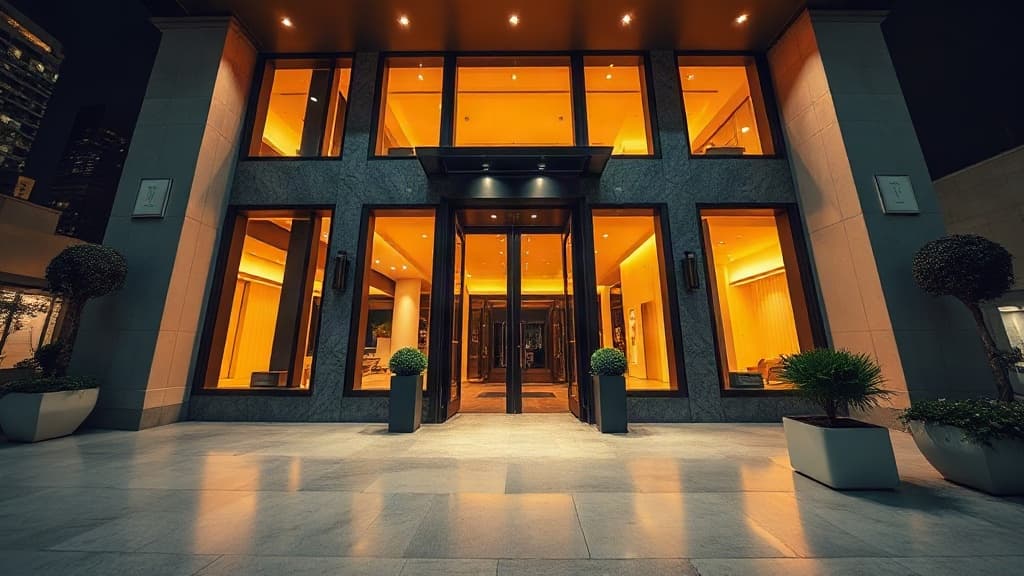
The clean lines, open spaces, and uncluttered aesthetic of modern and contemporary design can feel like a breath of fresh air. Yet, for many homeowners, the transition from admiring these styles in magazines to living with them daily presents a practical challenge. The perceived coldness or rigidity of modernism often clashes with the lived-in reality of family life, hobbies, and the simple need for comfort. The key to success lies not in dogmatic adherence to a style, but in its intelligent adaptation. By focusing on a few core principles, you can curate a home that feels both strikingly modern and deeply personal, a serene sanctuary that also functions seamlessly for your routines.
First, master the art of the edited space. The foundational rule is 'less, but better.' Modern and contemporary design thrives on intentionality. Begin with a ruthless edit of your belongings, keeping only items that are functional, beautiful, or deeply meaningful. This creates the visual 'breathing room' essential to the style. Storage then becomes your secret weapon. Invest in integrated, handle-less cabinets, sleek closed shelving, and multifunctional furniture with hidden compartments. The goal is to have a designated, concealed home for everything, from kitchen gadgets to children's toys, preserving the clean lines when not in use. This approach reduces visual noise and daily stress, making maintenance effortless.
Second, focus on texture and organic warmth. A common pitfall is creating a space that feels sterile. Counteract the potential coolness of materials like polished concrete, glass, and steel by introducing layers of tactile, natural elements. A large, textural wool rug can ground a minimalist living room. Warm wood accents on a floor, a ceiling beam, or a side table add instant organic softness. Consider linen upholstery, a nubby bouclé throw, or a vase of dried botanicals. Lighting is equally crucial; avoid relying solely on harsh overhead lights. Layer ambient lighting with sculptural floor lamps, warm-glowing wall sconces, and discreet LED strips to create pools of light that add depth and mood, making the space feel inviting at all hours.
Ultimately, modern and contemporary design is a philosophy of clarity and purpose, not a set of restrictive rules. It’s about creating a backdrop that enhances your life, not dictates it. By prioritizing intelligent storage, curating your possessions, and warming the palette with natural textures and light, you build a home that is both aesthetically disciplined and genuinely livable. For further inspiration on defining your space, see more Styles stories.
Read Also
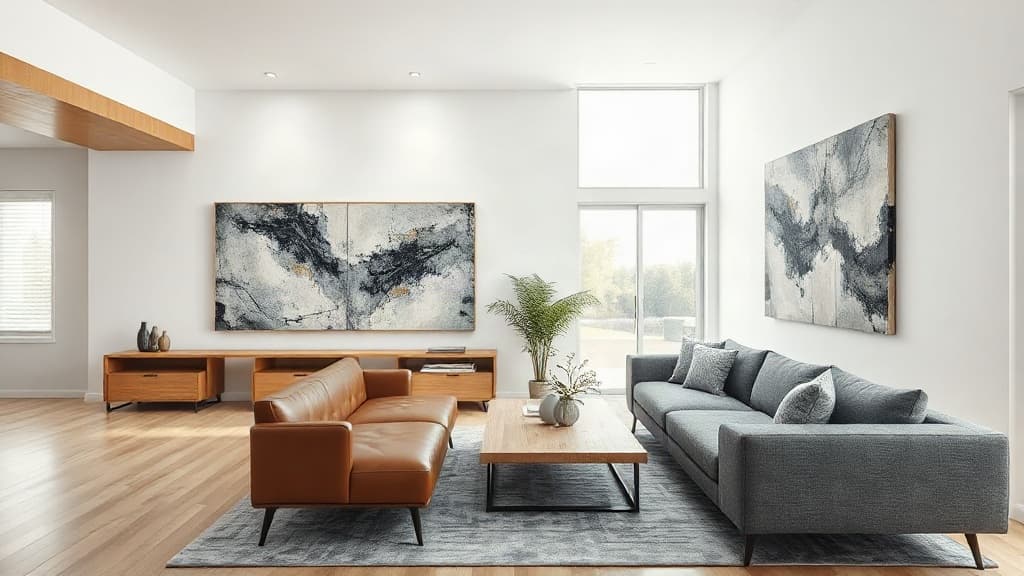
Modern vs Contemporary Interior Design Explained
Learn the key differences between Modern and Contemporary interior design, including their distinct origins, materials, and color palettes.
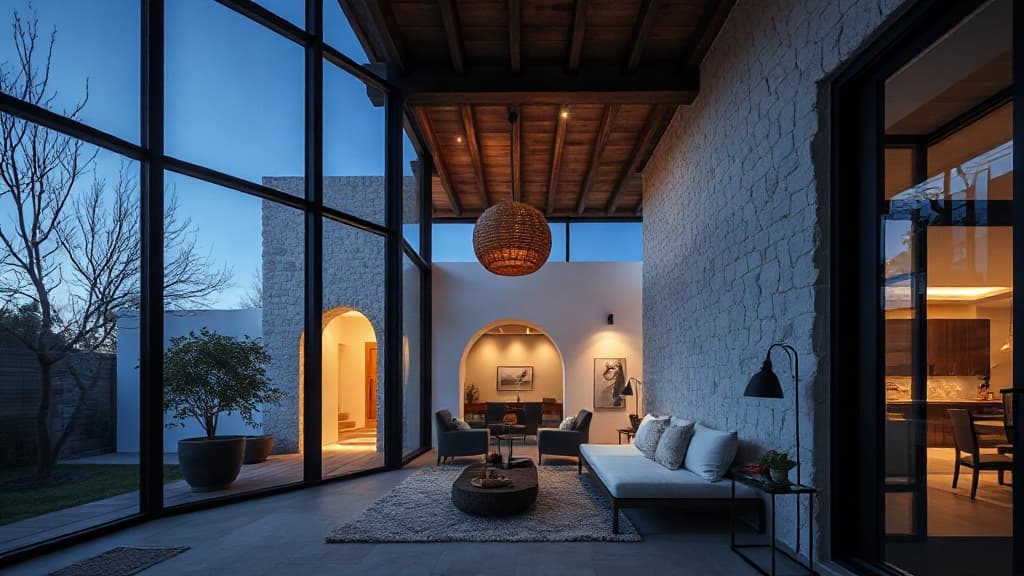
Where Minimalism Meets Life: The Real-World Evolution of a Style
Moving beyond stark principles, we explore how modern and contemporary design finds inspiration in daily life, adapting to create spaces that are both beautiful and deeply livable.
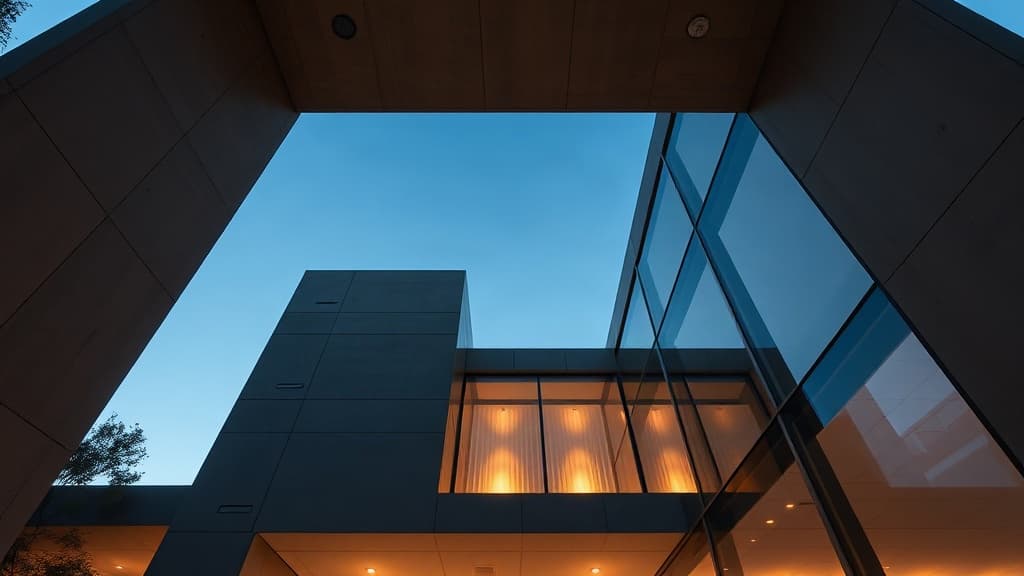
The Triad of Refinement: How Materials, Light & Detail Define Modern & Contemporary Style
Contemporary design distills its power from a quiet but potent interplay. We explore how the essential triad of materials, light, and detail elevates modern spaces.