The Triad of Refinement: How Materials, Light & Detail Define Modern & Contemporary Style
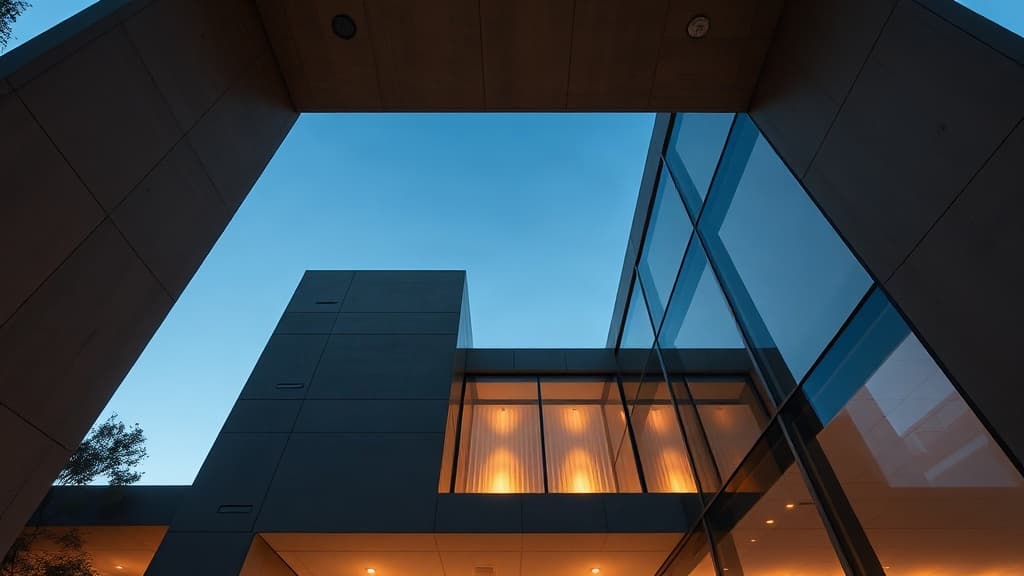
Modern and contemporary architecture, while often discussed in terms of form and function, derive their true resonance from a more elemental conversation. This is a dialogue not of grand gestures, but of refined restraint, where the soul of a space is articulated through the curated interplay of three core elements: materials, light, and detail. Moving beyond mere aesthetic labels, this approach treats each component as a deliberate actor in a holistic narrative of space, creating environments that are both intellectually engaging and profoundly sensory.
A contemporary material palette is a study in honesty and tactility. Where modernism often championed industrial honesty—exposed concrete, steel, and glass—contemporary practice embraces a warmer, more nuanced materiality. The cool precision of polished concrete is now balanced with the organic warmth of charred timber (shou sugi ban) or the textured whisper of lime-washed plaster. Metals are not merely structural but finishes; brushed brass and matte black steel add moments of quiet reflection. This thoughtful selection creates a layered sensory experience, inviting touch and fostering a connection to the natural world, even within the most urban of settings.
Light, in this context, is the master choreographer. It is no longer a simple utility but the medium that animates the material story. Contemporary design employs light with surgical precision. Strategic apertures carve volumes of daylight, casting ever-shifting patterns that trace the sun’s passage. Indirect linear LEDs recessed into ceilings or cabinetry dematerialize edges and accentuate planes, while carefully positioned spotlights can turn a raw concrete wall into a luminous canvas. The interplay between shadow and illumination defines depth, mood, and rhythm, transforming static materials into dynamic participants throughout the day.
This choreography is perfected in the execution of detail. Here, minimalism reveals its complexity. The true luxury lies not in ornament, but in the exquisite resolution of joints, the flawless transition between surfaces, and the seamless integration of technology. A mitred join in a stone countertop that appears to float, a recessed door pull that becomes a mere shadow line, a window frame set flush with the wall to frame a view without interruption—these are the hallmarks. Detail is the quiet grammar of the space, the proof of considered craftsmanship that elevates simplicity into sophistication. It is in these subtle junctions that the design’s philosophy is most eloquently expressed.
Ultimately, the distinction between modern and contemporary style is less about rigid rules and more about this evolving sensitivity to material essence, luminous quality, and meticulous craft. It is an approach that creates spaces of serene intensity, where every element is intentional and every sensory input is curated. This refined triad offers a timeless framework for living that is both forward-looking and deeply human. For further exploration of stylistic evolution, see more Styles stories.
Read Also
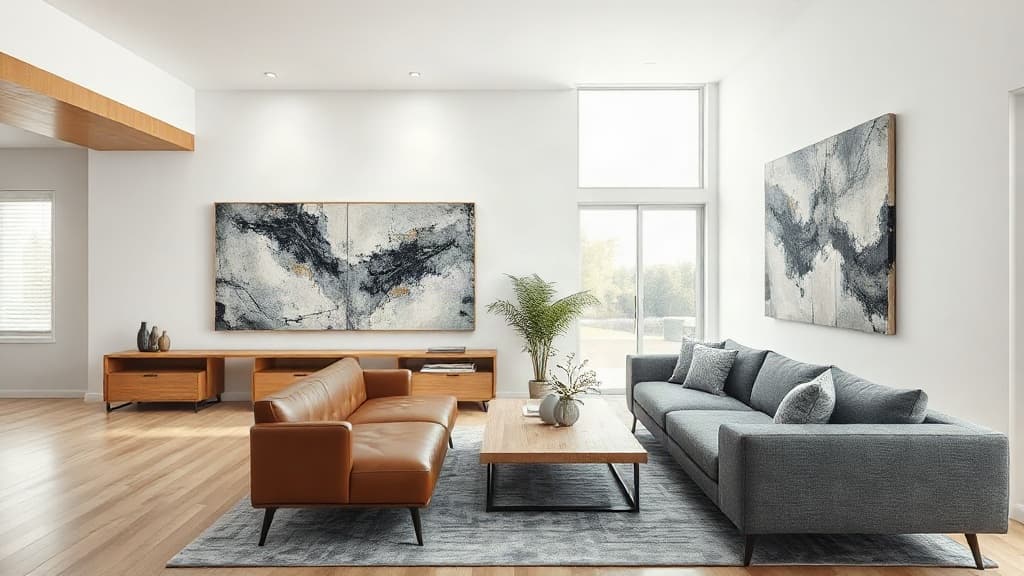
Modern vs Contemporary Interior Design Explained
Learn the key differences between Modern and Contemporary interior design, including their distinct origins, materials, and color palettes.
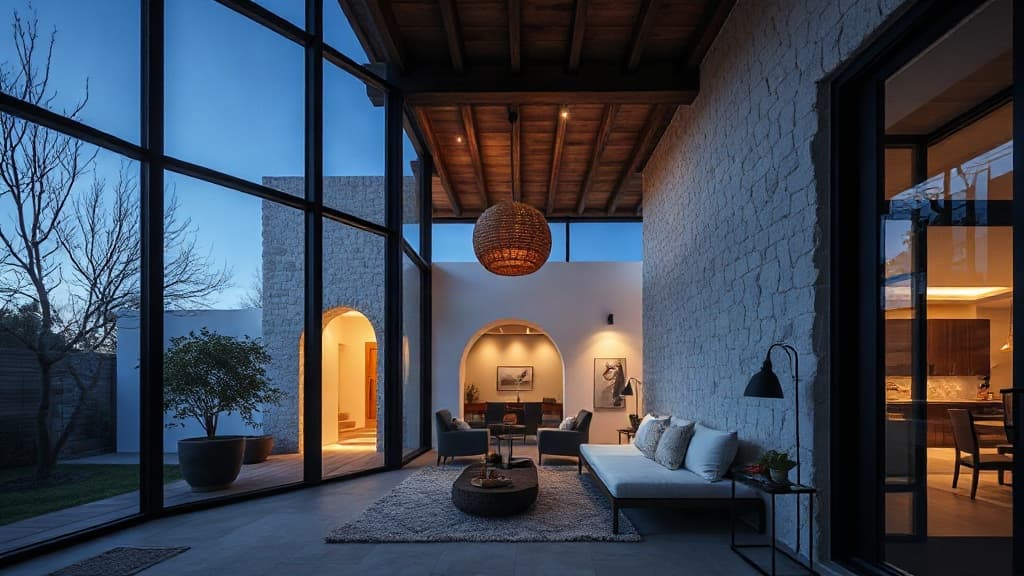
Where Minimalism Meets Life: The Real-World Evolution of a Style
Moving beyond stark principles, we explore how modern and contemporary design finds inspiration in daily life, adapting to create spaces that are both beautiful and deeply livable.
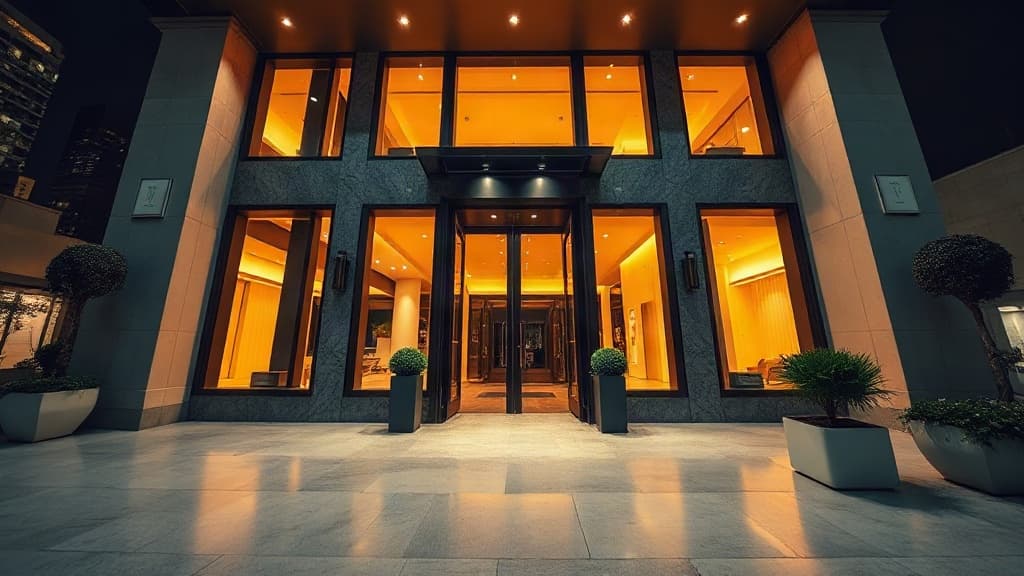
Living with Modernism: Practical Adaptations for Everyday Homes
Embracing modern and contemporary style doesn't mean sacrificing comfort. Discover actionable tips to bring clean lines and thoughtful design into your daily living.