Modern vs Contemporary Interior Design Explained
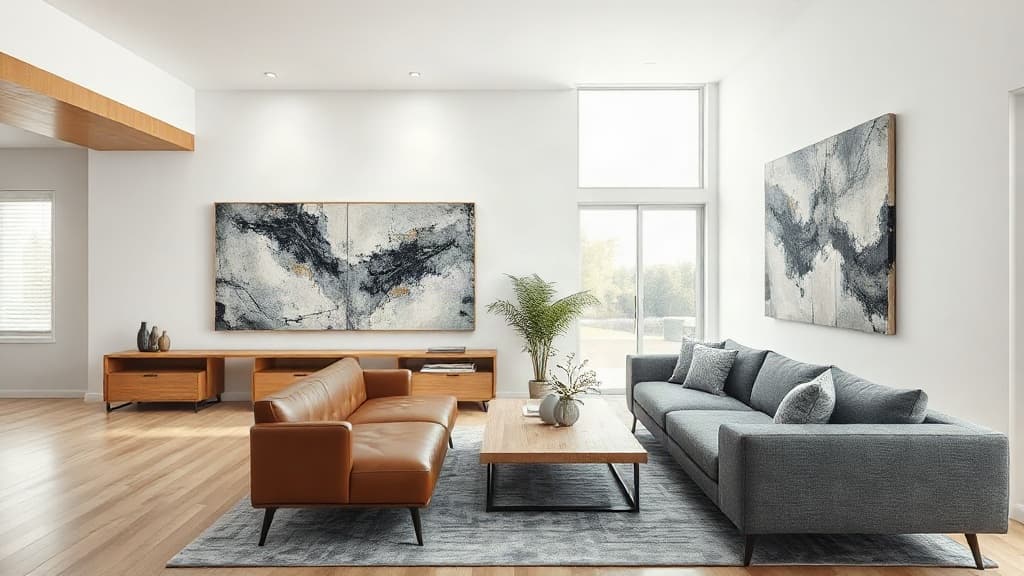
Modern and Contemporary design are often used interchangeably, but they refer to two distinct styles. Modern design is a historical movement from the early-to-mid 20th century, while Contemporary design describes what is popular and new right now.
The Core Difference: Historical vs Current
Modern design is a specific style defined by a period. It stems from German Bauhaus and Scandinavian Mid-Century Modern movements from roughly the 1920s to the 1970s. Its principles are fixed. Contemporary design is fluid and ever-changing, reflecting the trends and technologies of the present day. It has no single origin point and will evolve with time.
Foundational Materials and Finishes
Modern interiors rely heavily on natural materials that were industrial for their time. You will see exposed steel, chrome, and lots of wood, especially teak, rosewood, and walnut. Surfaces are smooth and often left in a natural finish. Contemporary design uses a wider mix, including industrial materials like concrete and stainless steel alongside man-made ones like high-gloss lacquers, acrylic, and recycled glass.
The Approach to Color Palettes
Modern design uses a neutral base with bold accent colors. Think white, beige, or gray walls with a single vibrant color like mustard yellow, olive green, or burnt orange on a single chair or piece of art. Contemporary color schemes are more monochromatic and tonal. A current Contemporary palette might be all shades of gray, black, and white, or soft, muted earth tones like taupe and sage green used together.
Furniture Forms and Silhouettes
Modern furniture is characterized by clean lines, organic curves, and a lack of ornament. Pieces like the Eames lounge chair or a Noguchi coffee table are iconic. Legs are often tapered. Contemporary furniture can borrow from Modern lines but also incorporates more experimental, sculptural forms. It might use unconventional materials or have asymmetrical shapes not seen in true Modern design.
How Each Style Uses Space and Layout
Modern design follows the principle of "form follows function." Layouts are open and efficient, with furniture arranged to define areas without heavy walls. There is a strong sense of order. Contemporary layouts also favor open plans but are more flexible. They might use a large sectional sofa to zone a living area or incorporate multi-functional, modular furniture that can be rearranged.
Window Treatments and Natural Light
Modern design emphasizes a connection to the outdoors. Large, unadorned windows are typical, often with simple, functional shading like minimalist roller blinds or sheer curtains that don't block light. Contemporary design also values natural light but uses more layered window treatments. You might see motorized sheer shades paired with heavier drapes in a neutral fabric, allowing for more control over light and privacy.
The Role of Decorative Accessories
In Modern design, accessories are minimal and purposeful. A single large-scale abstract painting, a sculptural ceramic vase, or a well-designed floor lamp is enough. Every item is carefully curated. Contemporary spaces can be minimal but often use accessories as bold statements. A large, graphic wall mural, a cluster of varied-texture throw pillows, or an oversized geometric mirror are common contemporary accents.
Flooring Choices in Each Style
Modern design typically features hardwood floors in warm tones like teak or oak, often with a simple area rug with a geometric pattern. Stone or polished concrete is also used. Contemporary flooring includes all these options but adds more variety. Polished concrete, wide-plank engineered wood, and large-format porcelain tiles in neutral colors are current favorites for a seamless look.
Lighting Fixtures and Their Design
Modern lighting fixtures are often iconic designs from the period, such as Sputnik chandeliers or Arco floor lamps. They are functional sculptures. Contemporary lighting is more diverse, featuring LED strip lighting integrated into architecture, oversized drum pendants, or abstract organic forms made from materials like paper or blown glass. Technology, like smart color-changing bulbs, is frequently incorporated.
Common Mistakes to Avoid
A common mistake is mixing too many eras within a Modern scheme. Adding ornate, traditional furniture ruins the clean intent. For Contemporary design, the mistake is chasing a trend too literally, resulting in a room that feels dated in a few years. Stick to timeless foundations for big items and use trends in easily changed accessories. For more Modern & Contemporary Style ideas, explore our guides on specific rooms.
Key takeaways
Modern design is a fixed historical style from the mid-20th century, using natural materials and bold accent colors. Contemporary design is current and evolving, favoring monochromatic schemes and mixed materials. Modern furniture has clean, organic lines, while Contemporary furniture can be more sculptural. Understanding this difference helps you choose a cohesive style for your home.
Frequently Asked Questions
Is Mid-Century Modern the same as Contemporary design?
No, Mid-Century Modern is a subset of the historical Modern design movement, popular from the 1940s to 1960s. Contemporary design refers to what is popular today. You can mix Mid-Century Modern furniture into a Contemporary space, but they are distinct categories.
Can I mix Modern and Contemporary styles together?
Yes, blending styles is common. Use a Modern sofa with Contemporary acrylic side tables, for example. The key is balance. Let one style dominate (70%) and use the other for accents (30%) to maintain cohesion without the room feeling like a museum display.
Which style is more minimalist, Modern or Contemporary?
Modern design is inherently minimalist due to its 'less is more' philosophy. Contemporary design can be minimalist but isn't always; it can include bold patterns and more decorative layers. True Modern minimalism is stricter about function and removing ornament.
Is industrial style considered Modern or Contemporary?
Industrial style, with exposed brick and ductwork, is generally considered Contemporary. While it uses raw materials, it wasn't a mainstream residential style during the Modern period. It aligns with the Contemporary trend of mixing raw, unfinished textures with clean lines.
Read Also
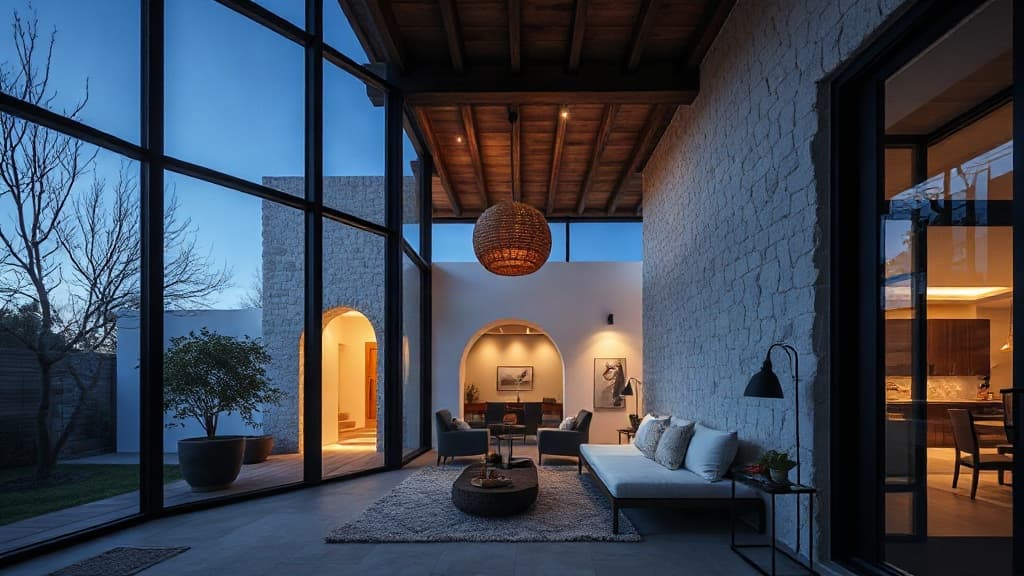
Where Minimalism Meets Life: The Real-World Evolution of a Style
Moving beyond stark principles, we explore how modern and contemporary design finds inspiration in daily life, adapting to create spaces that are both beautiful and deeply livable.
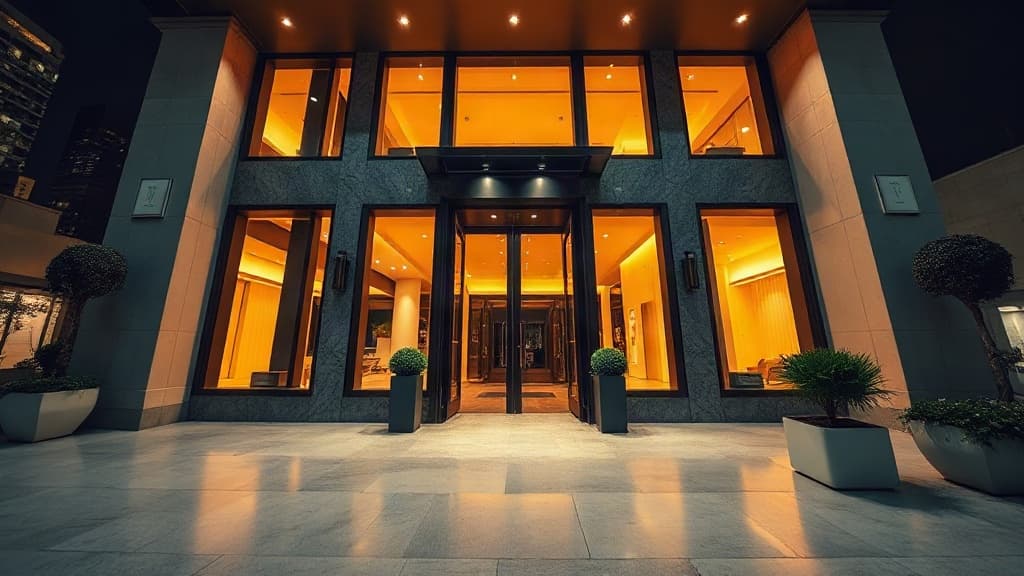
Living with Modernism: Practical Adaptations for Everyday Homes
Embracing modern and contemporary style doesn't mean sacrificing comfort. Discover actionable tips to bring clean lines and thoughtful design into your daily living.
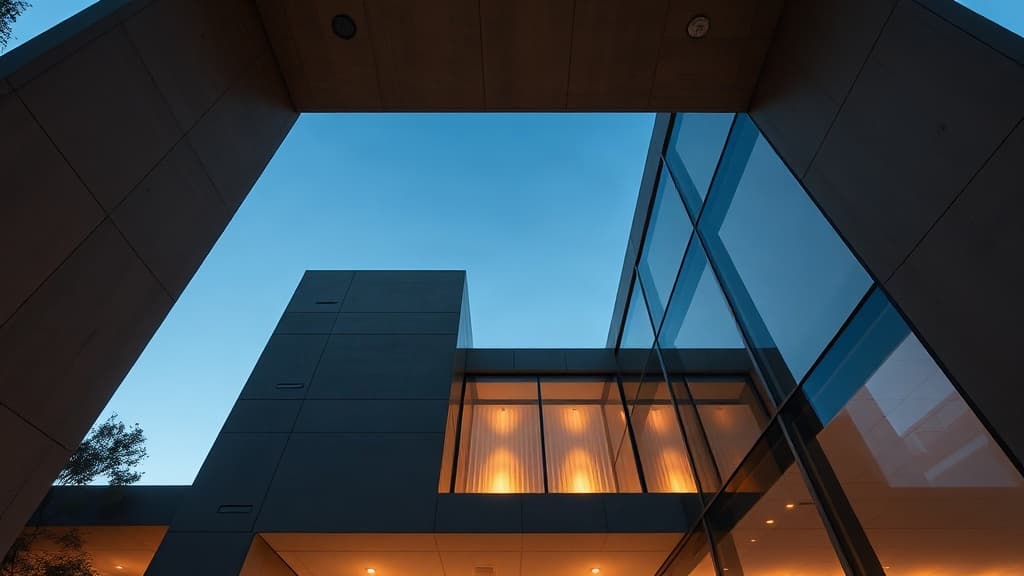
The Triad of Refinement: How Materials, Light & Detail Define Modern & Contemporary Style
Contemporary design distills its power from a quiet but potent interplay. We explore how the essential triad of materials, light, and detail elevates modern spaces.