Where Minimalism Meets Life: The Real-World Evolution of a Style
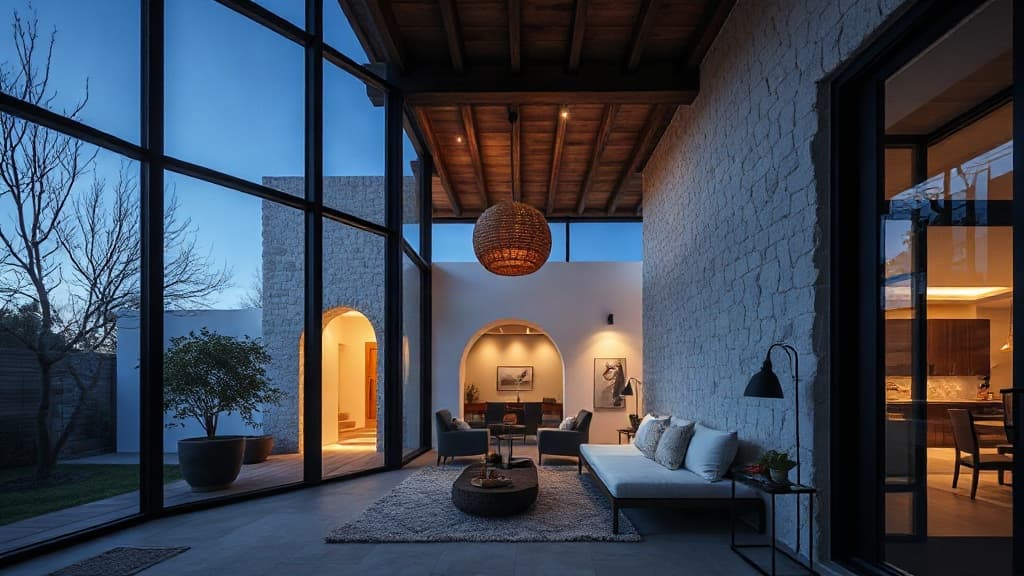
Modern design, with its 20th-century roots in the Bauhaus and International Style, gave us a manifesto: form follows function, ornament is a crime, and truth to materials is paramount. Yet, for many, this rigorous philosophy can feel cold or museum-like in abstraction. The magic—and the true inspiration for today's interiors—happens when these foundational principles are filtered through the lens of contemporary life. The result is not a rigid style, but a dynamic design language that prioritizes human experience, comfort, and personal narrative within a framework of clean lines and purposeful simplicity.
The contemporary evolution of modernism is profoundly inspired by how we live now. Consider the open-plan living space, a direct descendant of Mies van der Rohe's flowing plans. Where a mid-century modern home might have featured a sunken conversation pit as a fixed architectural element, a contemporary interpretation might achieve the same sense of intimacy and focus with a strategically placed area rug, a low-slung modular sofa, and deliberate lighting. The function—facilitating connection—remains, but the form adapts to our need for flexibility. Real-world inspiration is drawn from the global exchange of ideas: the warm, textured minimalism of Scandinavian hygge softening the starkness of a concrete wall, or the crafted, artisanal details of Japanese wabi-sabi bringing soul to a sleek, handle-less kitchen cabinet.
This style thrives on the dialogue between the architectural shell and the human touch. In a Beirut apartment, one might see a pristine, rectilinear volume punctuated by a vibrant, oversized artwork by a local painter, the brushstrokes adding a necessary layer of emotion. In a Dubai villa, the clean geometry of the structure might be intentionally contrasted with the organic, irregular form of a driftwood centerpiece or a collection of hand-blown glass vessels. The lighting is no longer just functional track heads; it becomes sculptural—a statement pendant that casts intricate shadows or integrated LED strips that wash a textured wall in a warm glow, changing the room's mood with the time of day. The materials palette expands beyond steel and glass to embrace oak with a visible grain, honed marble with its soft touch, and linen textiles that invite comfort.
Ultimately, modern and contemporary style is less about adhering to a strict historical rulebook and more about an attitude: a pursuit of clarity, intentionality, and authenticity. It demonstrates that simplicity is not emptiness, but a curated stage for life's complexities. It proves that a commitment to clean design can coexist with warmth, personality, and the beautiful imperfections of daily living. To discover how this adaptable style manifests in everything from urban lofts to coastal retreats, see more Styles stories.
Read Also
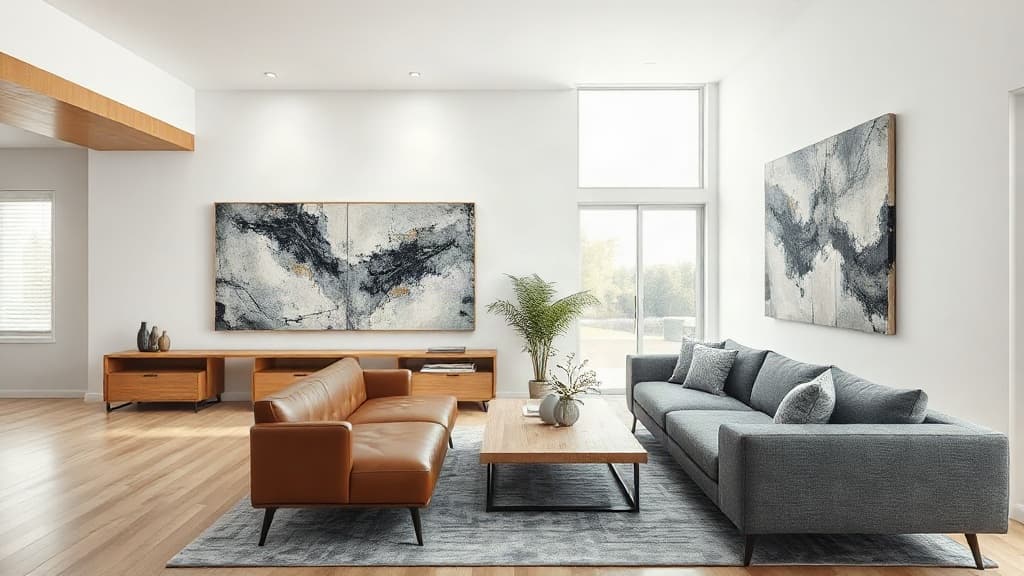
Modern vs Contemporary Interior Design Explained
Learn the key differences between Modern and Contemporary interior design, including their distinct origins, materials, and color palettes.
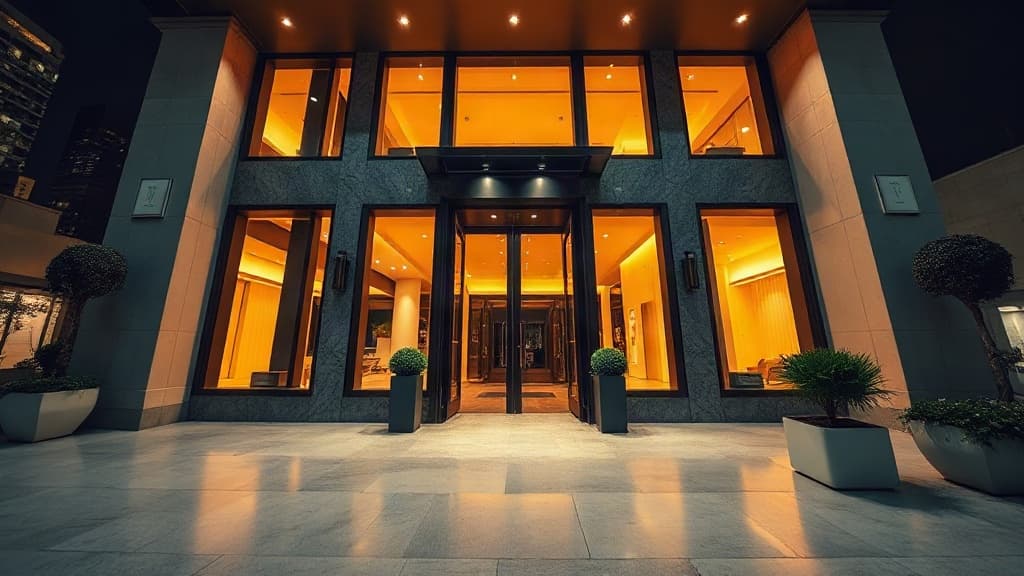
Living with Modernism: Practical Adaptations for Everyday Homes
Embracing modern and contemporary style doesn't mean sacrificing comfort. Discover actionable tips to bring clean lines and thoughtful design into your daily living.
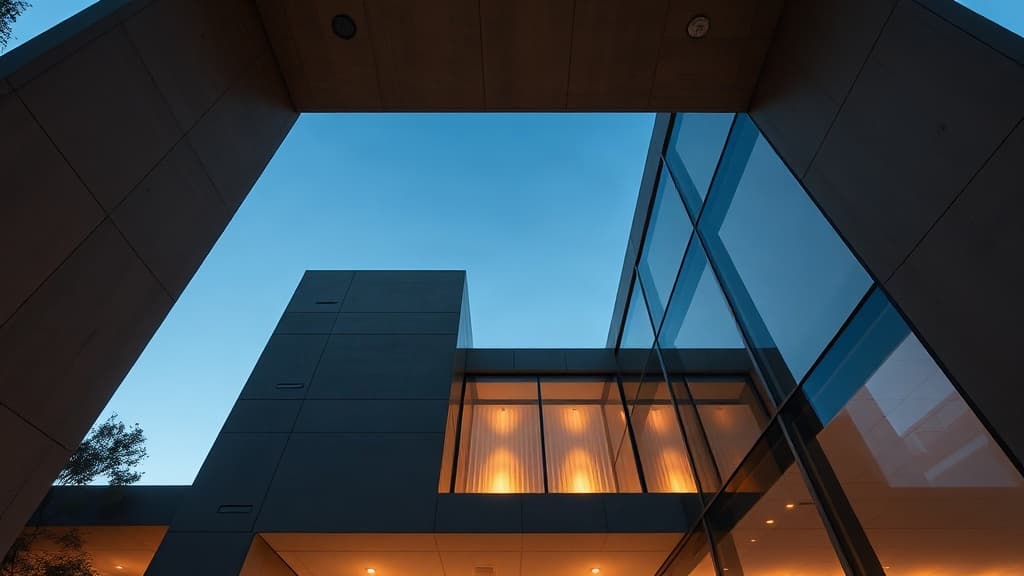
The Triad of Refinement: How Materials, Light & Detail Define Modern & Contemporary Style
Contemporary design distills its power from a quiet but potent interplay. We explore how the essential triad of materials, light, and detail elevates modern spaces.