Neoclassical Interior Design: 8 Practical Steps for Your Home
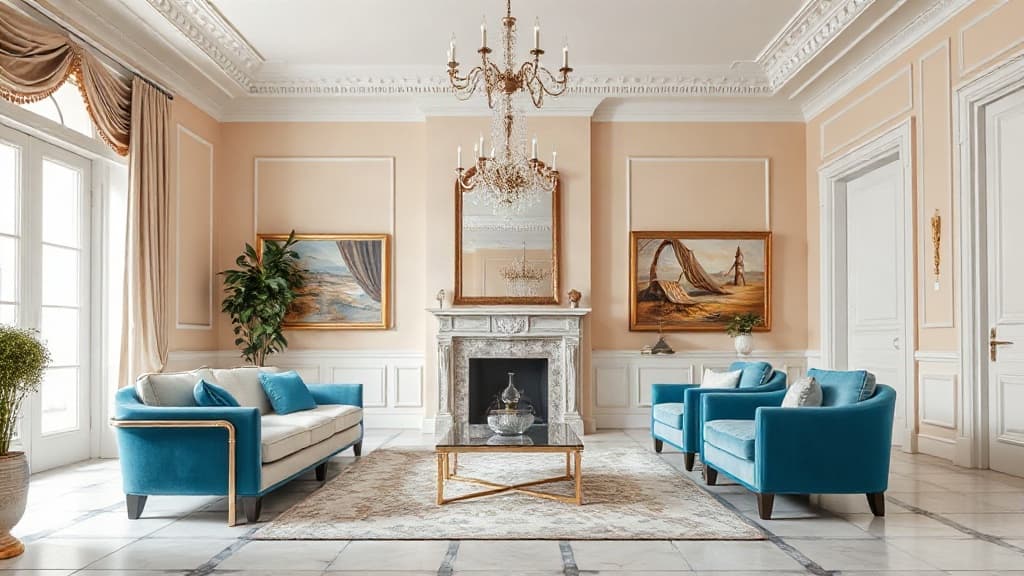
Neoclassical interior design brings the balance and proportion of ancient Greek and Roman architecture into modern homes. It creates rooms that feel formal, elegant, and orderly, using symmetry, classical motifs, and refined furniture.
1. Start with a symmetrical room layout
Neoclassical design requires a balanced floor plan. Place your main furniture, like a sofa or bed, on the central axis of the room. Flank it with matching items, such as two identical armchairs, side tables, or lamps. For example, a common setup is a sofa centered on a fireplace, with a pair of armchairs facing it and a console table behind. This creates an immediate sense of order and calm that defines the style.
The goal is visual harmony. Avoid placing large furniture pieces off-center or using mismatched seating. In a living room, your main seating group should be arranged to face a focal point, like a fireplace or a large window. Allow for clear walkways of at least 90 cm (36 inches) around furniture groupings to maintain the feeling of spacious, uncluttered elegance that is essential to the look.
2. Choose furniture with classical lines
Neoclassical furniture is characterized by straight, clean lines and geometric shapes. Look for pieces inspired by ancient Greek klismos chairs or Roman benches. Typical features include saber legs, fluted columns on cabinet sides, and restrained carved details like rosettes or Greek key patterns. The wood is usually dark, such as mahogany or walnut, with a high-gloss finish.
Upholstered furniture should be tailored and structured, not overstuffed. A classic neoclassical sofa has a rolled arm, a tight back, and exposed wooden legs. Avoid rustic, industrial, or overly ornate Rococo-style furniture. The scale should be generous but not massive; a typical three-seater neoclassical sofa might be 220 cm (87 inches) wide. Look for fabrics like silk, velvet, or damask in solid colors or subtle stripes.
3. Use a restrained color palette
Neoclassical color schemes are light, airy, and sophisticated. Start with a base of off-white, cream, or pale gray on walls. These neutral backgrounds highlight architectural details and furniture. Accent colors are drawn from classical sources: deep blues like Prussian blue, earthy reds like Pompeian red, sage green, and gold. Use these richer colors sparingly on a single accent wall, in upholstery, or in artwork.
Avoid bright, modern colors or busy patterns on large surfaces. The goal is a serene atmosphere. Paint your ceiling white or a very pale version of your wall color to make the room feel taller and more balanced. Moldings and trim should be painted in a crisp, clean white, even if the walls are colored, to clearly define the architectural elements. This contrast is a key feature.
4. Install classical moldings and architectural details
Architectural trim is the skeleton of neoclassical design. If your home lacks it, you can add it. Crown molding, where the wall meets the ceiling, should be proportional to your room height. For a standard 2.4-meter (8-foot) ceiling, a molding profile 15-20 cm (6-8 inches) tall is appropriate. Chair rails, placed about 90 cm (36 inches) from the floor, break up the wall visually. Add paneling or wainscoting to the lower third of the wall for texture.
The most definitive element is the addition of pilasters or columns. These are flat, rectangular columns attached to walls, often flanking a doorway or fireplace. They are typically topped with a simplified capital, like a Doric or Ionic design. You can buy polyurethane pilasters from building supply stores. Painting them the same color as your trim makes them look integrated and architectural, not like an afterthought.
5. Select lighting that references classical forms
Lighting in a neoclassical room should feel architectural. Chandeliers are central. Look for designs with crystal droplets, bronze or gilt metal frames, and motifs like laurel leaves or acanthus. A drum-shaped chandelier with a classical pattern on the fabric shade is a common choice. The scale matters: a chandelier for a dining room should be about 75 cm (30 inches) smaller in diameter than your table's width.
Supplement with matching wall sconces and table lamps. Sconces with upward-facing candle-style bulbs add ambient light and reinforce the symmetry when placed on either side of a mirror or painting. Table lamps with urn-shaped bases, made of porcelain or bronze, are ideal. Avoid modern track lighting or minimalist pendant lamps, as they will clash with the classical foundation you are building. All metal finishes should coordinate, typically using aged brass, bronze, or silver.
6. Incorporate classical patterns and motifs
Fabrics and soft furnishings are where you can introduce classical patterns. Look for textiles featuring Greek key borders, fretwork, stylized floral wreaths, or trompe l'oeil architectural details. Use these patterns in moderation on curtains, throw pillows, or an area rug. A large, plain sisal or wool rug is a good foundation; layer a smaller, patterned antique-style rug on top in the seating area.
Artwork should also follow classical themes. Framed engravings of Roman ruins, classical sculptures, or botanical prints are appropriate. Group artwork in symmetrical pairs or a balanced grid. Mirrors are crucial; choose ones with gilded frames shaped like sunbursts or with pediment tops. Hang a large mirror over a fireplace or console table to reflect light and amplify the sense of space. This is a key tactic for making formal rooms feel bright and open.
7. Accessorize with intention and scale
Accessories in neoclassical design are few but significant. Choose objects that reference antiquity, such as bronze or marble busts, ceramic urns, or obelisks. Books bound in leather with gold lettering add to the library-like feel. Place accessories in pairs or in a balanced composition on a mantel or console table. A common arrangement is a central clock or bust, flanked by two vases or candlesticks.
Scale is important. A small trinket on a large table will look lost. For a console table that is 150 cm (60 inches) long, your central object should be at least 45 cm (18 inches) tall. Avoid clutter and collections of small, unrelated items. Every accessory should feel chosen and purposeful. Fresh flowers in a simple glass vase can add a touch of life without breaking the classical mood.
8. Balance classical elements with livable comfort
The goal is a formal but not forbidding room. To make a neoclassical living room comfortable, ensure seating has adequate cushioning. Use high-quality, durable fabrics on chairs and sofas that can handle daily use. Layer texture with a soft wool throw or silk cushions. While the layout is symmetrical, you can introduce a single, slightly less formal item, like a leather club chair, to provide visual interest without disrupting the overall balance.
Remember that neoclassical design is about harmony, not perfection. It is acceptable if your room isn't perfectly square or if your fireplace isn't exactly centered. Use the principles of symmetry and proportion as a guide, not a rigid rule. The style should feel elegant and collected, not like a museum. For more inspiration on adapting classical styles, explore our archive of more Classic & Neoclassic Style ideas.
Key takeaways
Neoclassical design relies on symmetry, placing matching furniture on either side of a central axis. Use furniture with straight lines, classical motifs, and dark wood finishes. Paint walls in light neutrals like cream or gray and use deep blues, reds, and gold as accents. Add architectural trim like crown molding and pilasters to define the space.
Frequently Asked Questions
What is the main difference between classical and neoclassical interior design?
Classical design refers directly to ancient Greek and Roman styles, often with more ornamentation. Neoclassical design is a later revival that interprets those classical principles with more restraint, cleaner lines, and a lighter color palette, making it more adaptable to modern homes.
Can I do neoclassical design in a small apartment?
Yes. Focus on symmetry in your furniture arrangement and add classical details through moldings and trim. Use a light color palette and mirrors to make the space feel larger. Choose a few key neoclassical furniture pieces, like a sofa with exposed legs and a classic armchair, rather than filling the room.
What type of flooring works best with neoclassical interiors?
Hardwood floors in a medium to dark stain, like oak or walnut, are ideal. They can be left plain or adorned with a classical-patterned area rug. Polished marble or stone tile is also authentic but can be costly. Avoid carpet, as it lacks the formal, architectural feel the style requires.
Is neoclassical design expensive to achieve?
It can be, but smart choices help. Invest in one or two well-made classical furniture pieces as anchors. Add affordable architectural trim yourself using pre-made polyurethane moldings. Use paint and strategic accessories, like classical-style lamps and mirrors, to create the look without a full renovation.
Read Also
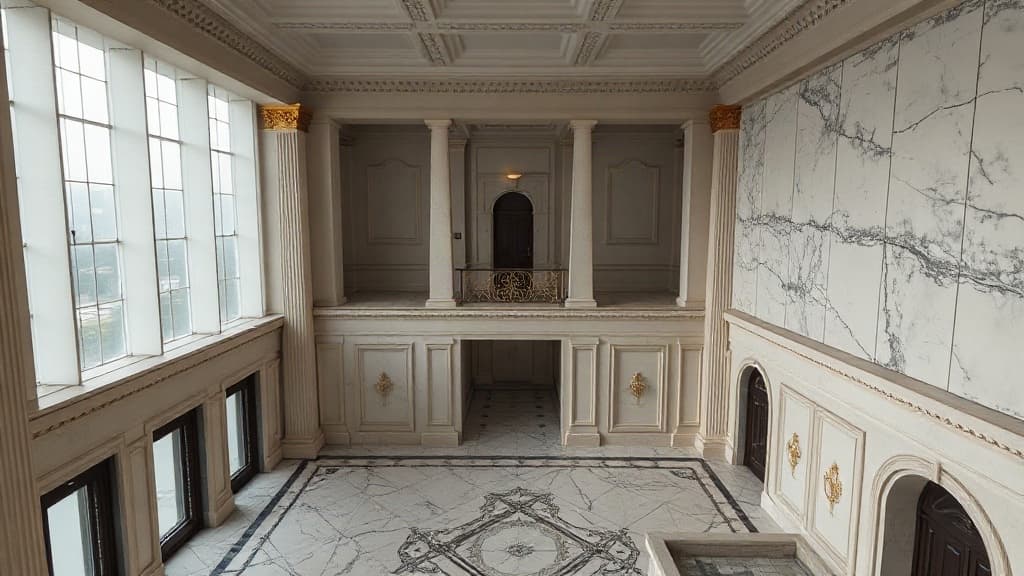
The Living Legacy: How Classic and Neoclassical Styles Inspire Today's Architects
From Parisian facades to modern-day interiors, we explore the enduring inspiration and real-world applications of Classical and Neoclassical architecture.
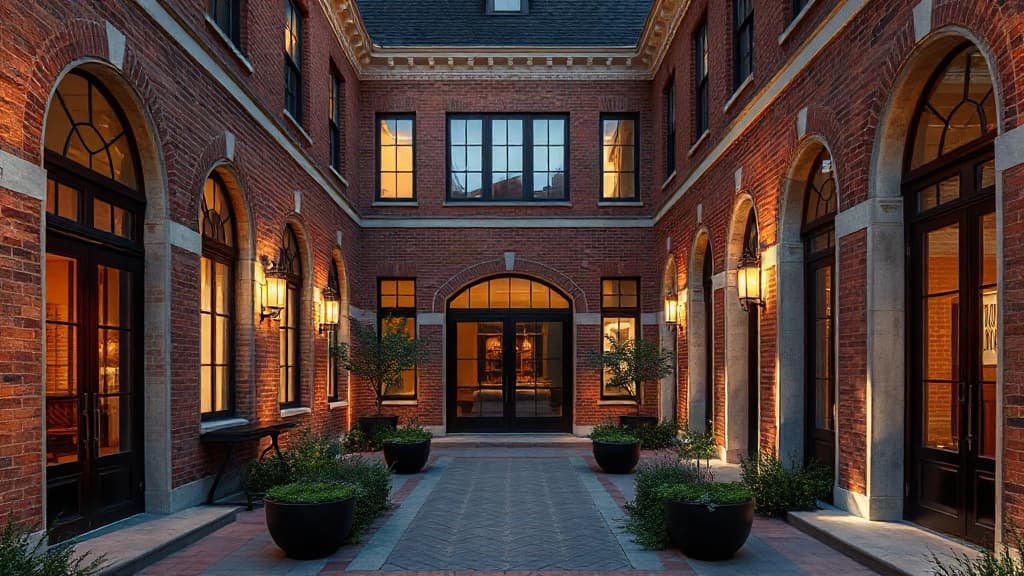
Elegance, Edited: A Homeowner's Guide to Classic & Neoclassical Style
Classic and Neoclassical design needn't be a museum piece. We offer practical strategies for integrating timeless architectural grace into modern living.

Classical Conversations: Blending Timeless Style with Modern Living
Classic and Neoclassical design is about more than columns and cornices. We offer practical guidance for homeowners to incorporate its elegance into contemporary life.