Guide
Personal Retreats: Practical Foundations for Bedrooms and Lounges

The bedroom and lounge represent the private heart of a home – spaces for rest, connection, and personal retreat. Yet, beyond aesthetics, their true success lies in how they function for you, day in and day out. For homeowners, the challenge isn't merely to create a beautiful room, but to build a resilient environment that supports wellbeing and adapts to life's rhythms. Let's move beyond trends and explore foundational, practical strategies to ensure these rooms work as hard as they inspire.
First, master the fundamentals of spatial flow and purpose. In the lounge, resist the urge to push all furniture against the walls. Instead, create intimate conversation zones with pieces pulled toward the centre, anchored by a rug. This simple shift encourages interaction and makes the space feel more inviting. In the bedroom, prioritise the bed's placement; it should be the first element you see upon entering, but never directly in line with the door to maintain a sense of privacy and calm. Clear, unobstructed pathways around furniture are non-negotiable for a sense of ease and safety, especially in low light.
Next, consider the hierarchy of lighting and the genius of layered storage. A single overhead light is the enemy of atmosphere. In both rooms, employ a trio of lighting types: ambient (general illumination), task (for reading or hobbies), and accent (to highlight art or architecture). Dimmer switches are a small investment with a profound impact on mood. For storage, think vertically and in layers. In bedrooms, utilise the space under the bed with sleek, wheeled drawers. In lounges, opt for multifunctional furniture like ottomans with hidden compartments or shelving units that combine open display with closed cabinets to balance visual interest with clutter control.
Ultimately, the most personal rooms demand a personal touch that evolves. Your bedroom and lounge should be living spaces that reflect your current chapter. Introduce texture through throws and cushions for tactile comfort, and don't be afraid to edit. A quarterly 'room audit' to remove items that no longer serve you keeps the energy fresh and functional. For a deeper dive into crafting spaces that balance beauty with everyday life, [see more Interiors stories](/interiors/bedrooms-lounges).
Read Also
Feature
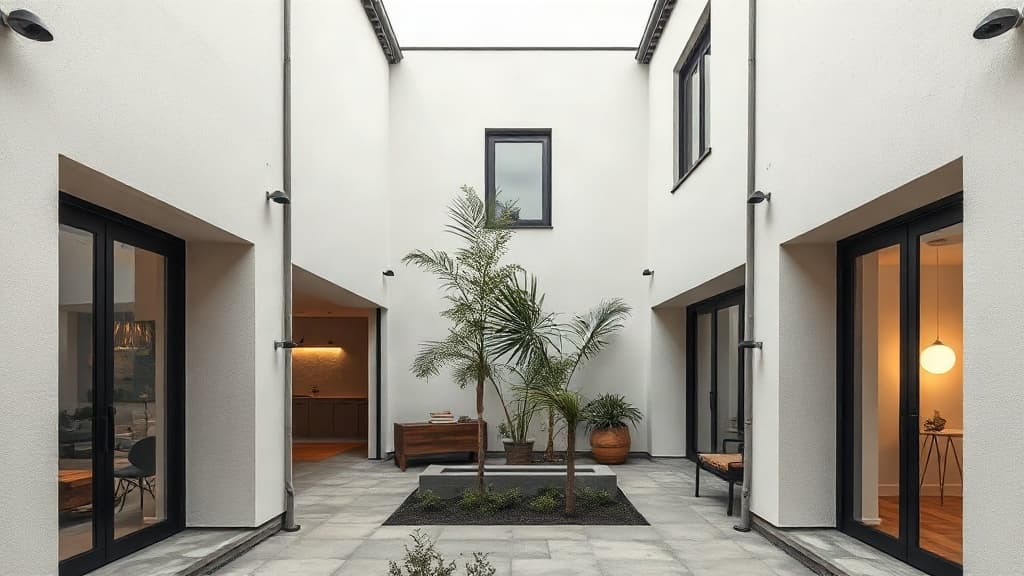
The Quiet Revolution: How Materials, Light & Detail Define Modern Eco-Architecture
Moving beyond theory, sustainable architecture is now a tangible dialogue between resource-conscious materials, intelligent light, and meaningful detail, shaping spaces that are as ethical as they are beautiful.
Design
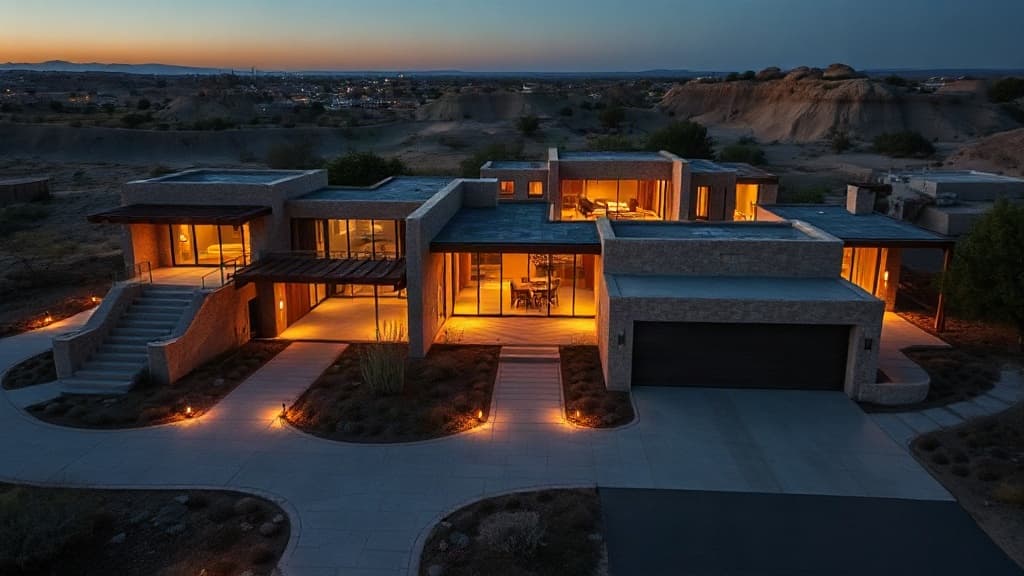
Foundations of the Future: The Guiding Principles of Sustainable Architecture
An exploration of the core design philosophies that transform buildings from mere shelters into regenerative forces for people and planet.

Feature
From Facade to Function: Where Commercial Architecture Sparks Innovation
Commercial architecture is a dynamic testing ground where ambition, brand identity, and public experience converge to shape the spaces where we work, shop, and gather.