Shelter as Sanctuary: The Foundational Principles of Residential Architecture
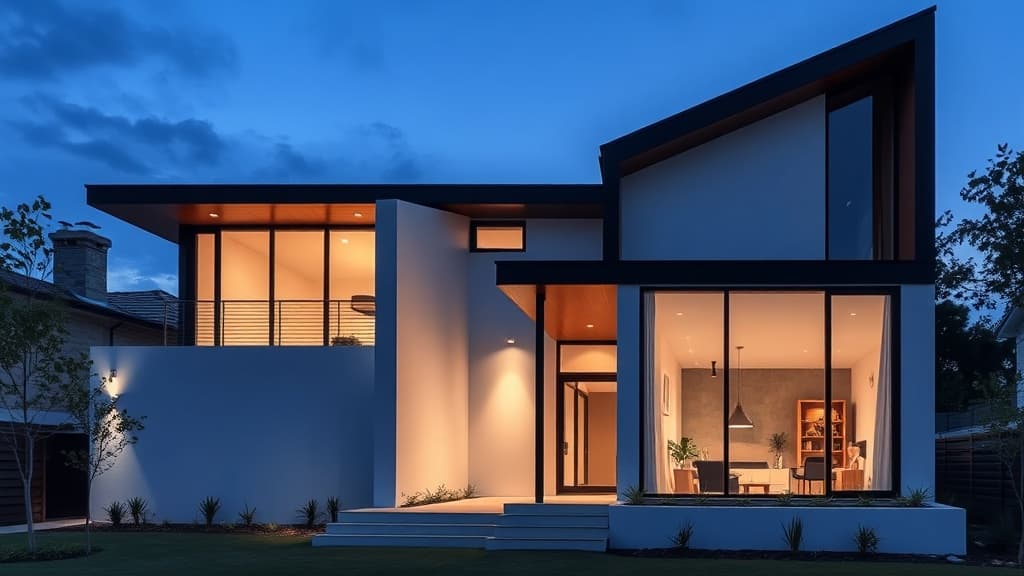
The essence of residential architecture lies not in the grand statement but in the profound act of curation. It is the discipline of shaping space not for the anonymous public, but for the intimate rituals of private life. A home is a sanctuary, a reflection of self, and a vessel for daily living. The architect's role, therefore, transcends that of a builder; they become a translator of human needs, weaving light, material, and form into a deeply personal landscape. At its core, the philosophy guiding residential design is a balance between universal principles and highly individual expression, creating environments that are both aspirational and grounding.
The journey begins with an understanding of foundations: site, orientation, and human scale. A home must first converse with its land. The slope of a hill, the path of the sun, the prevailing winds, and the nature of the surrounding landscape are not obstacles but the primary materials of design. This is the principle of contextual harmony. A well-designed residence appears to belong, its form and massing a logical response to its environment. Orientation then dictates the choreography of light and privacy, determining where spaces for gathering open up and where retreats fold inwards. Human scale ensures that these spaces feel proportionate and comfortable, avoiding both oppressive monumentality and cramped inefficiency.
Upon this foundation, architects layer the principles of spatial flow and material honesty. The sequence of rooms, the transitions between public and private zones, and the connection between interior and exterior spaces dictate the lived experience of a home. A successful flow feels intuitive, guiding movement effortlessly from active to quiet areas. Meanwhile, material honesty—letting wood be wood, concrete be concrete, and stone be stone—builds a narrative of authenticity and tactile warmth. This is not a rejection of ornament but a celebration of substance, where the inherent qualities of materials contribute directly to the atmosphere and longevity of the space.
Finally, the most vital principle is that of resonance. A house becomes a home when it resonates with the spirit of its inhabitants. This is achieved through the careful calibration of light, the creation of framed views, and the provision of adaptable spaces that can evolve with a family’s story. It is the architect’s most subtle art: crafting not just rooms, but moments—a window seat bathed in morning light, a sheltered courtyard for evening repose, a kitchen island that naturally draws people together. The ultimate success of residential architecture is measured in quiet satisfaction, in the feeling of belonging that its occupants experience every day. To delve deeper into the craft of creating living spaces, see more Architecture stories.
Read Also
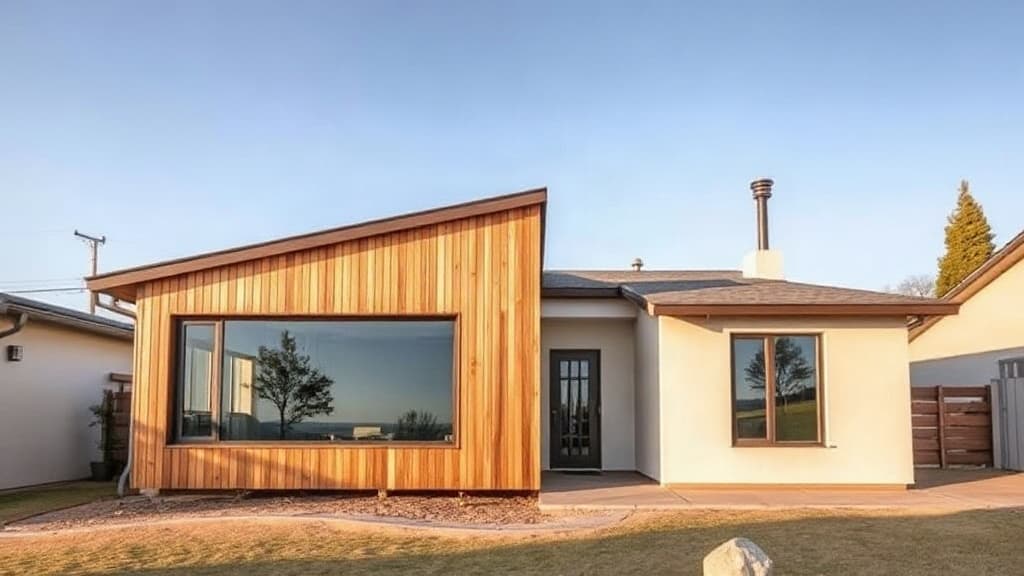
10 Modern House Exterior Design Ideas You Can Use
Ten specific ideas for modern house exteriors, covering materials, forms, and details. Get concrete advice you can apply to your own project.
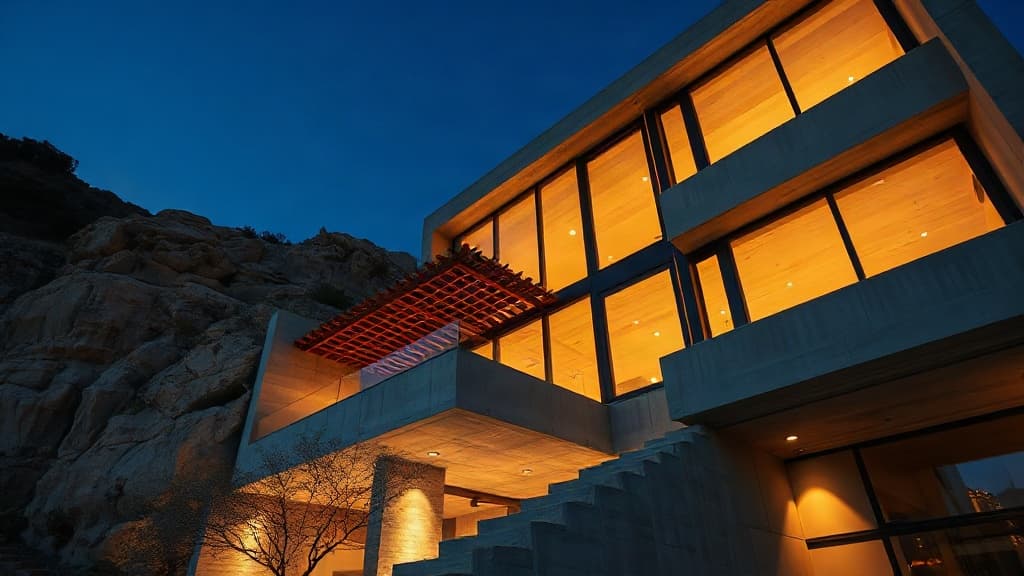
Where Ideas Take Shape: Finding Design Inspiration in the Built World
Architecture doesn't exist in a vacuum. This piece explores how real-world forms, from canyon cliffs to village squares, become the foundation for extraordinary homes.
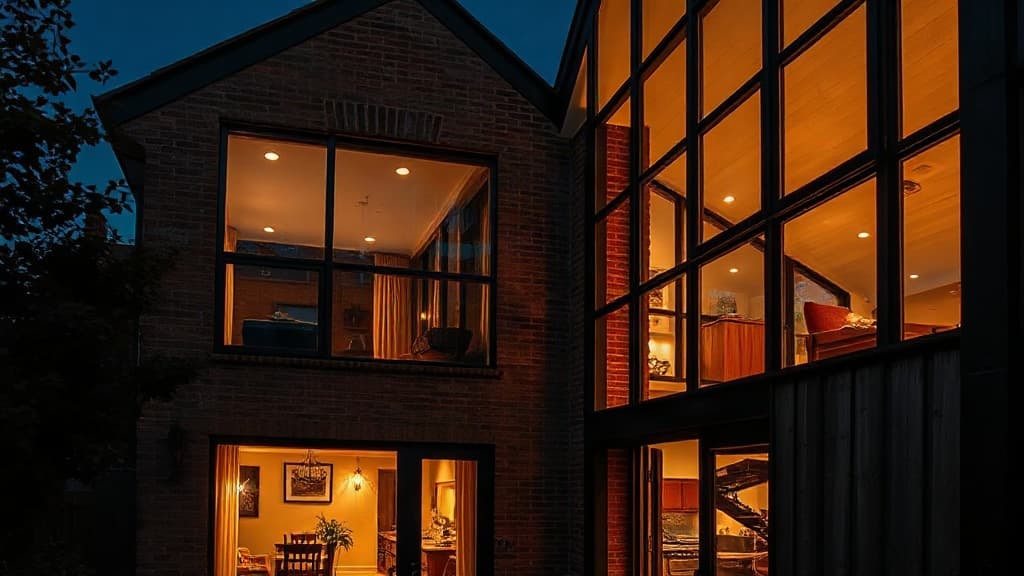
Your Blueprint for Clarity: Practical Architecture Tips Before You Build or Renovate
Transform your home project from overwhelming to outstanding with these foundational, practical insights from architectural thinking. A guide for the decisive homeowner.