Temples of Reason: The Design Principles of Classic and Neoclassical Style

In a world of fleeting trends, some styles possess a gravitational pull that endures for millennia. Classic and Neoclassical design are not mere aesthetic choices; they are philosophies of space, order, and harmony rooted in the ancient world and reborn in the Age of Enlightenment. This architectural language, articulated first by the Greeks and Romans, was revived centuries later as a potent symbol of reason, democracy, and cultural pedigree. To understand these styles is to grasp a visual grammar where every column, pediment, and cornice speaks of balance, proportion, and intellectual grandeur.
At its core, the Classical style is governed by a system of orders. The Doric, Ionic, and Corinthian columns are not just structural supports but the fundamental vocabulary of the language, each with its own rules of proportion and decorative character. These orders create a sense of hierarchy and rhythm across a façade. The underlying principle is symmetry and axial planning, creating spaces that feel stable, rational, and eternally grounded. Interiors follow suit, with design elements derived from architectural features: coffered ceilings, pilasters, and a restrained palette of marble, stone, and rich woods. The goal was an expression of ideal beauty and civic virtue, making architecture a moral force.
Neoclassicism, emerging in the 18th century, was not a slavish copy but a profound reinterpretation. While it wholeheartedly embraced the Classical orders and principles of symmetry, it filtered them through a lens of archaeological discovery and Enlightenment thinking. The result was a cleaner, more geometric, and often more austere aesthetic. Ornament was applied with logic and purpose, not merely for abundance. In interior design, this translated to lighter color schemes, elegant furniture with straight lines and classical motifs like swags and urns, and a focus on creating airy, luminous spaces that reflected the era's pursuit of clarity and knowledge. The style became the preferred mode for government buildings, museums, and private homes of the elite, communicating authority, education, and refined taste.
Ultimately, the power of Classic and Neoclassical design lies in its unwavering commitment to universal principles of order. It offers a sanctuary from chaos, a physical manifestation of harmony that continues to resonate. For those drawn to this timeless language of design, its principles provide a robust framework for creating spaces of dignity and calm. To delve deeper into the nuances of architectural history, see more Styles stories.
Read Also
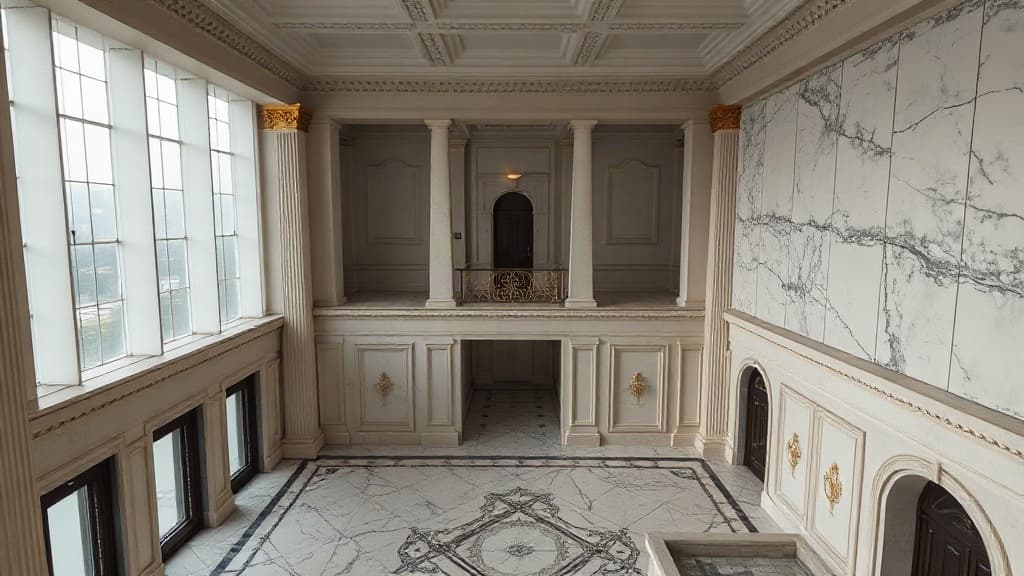
The Living Legacy: How Classic and Neoclassical Styles Inspire Today's Architects
From Parisian facades to modern-day interiors, we explore the enduring inspiration and real-world applications of Classical and Neoclassical architecture.
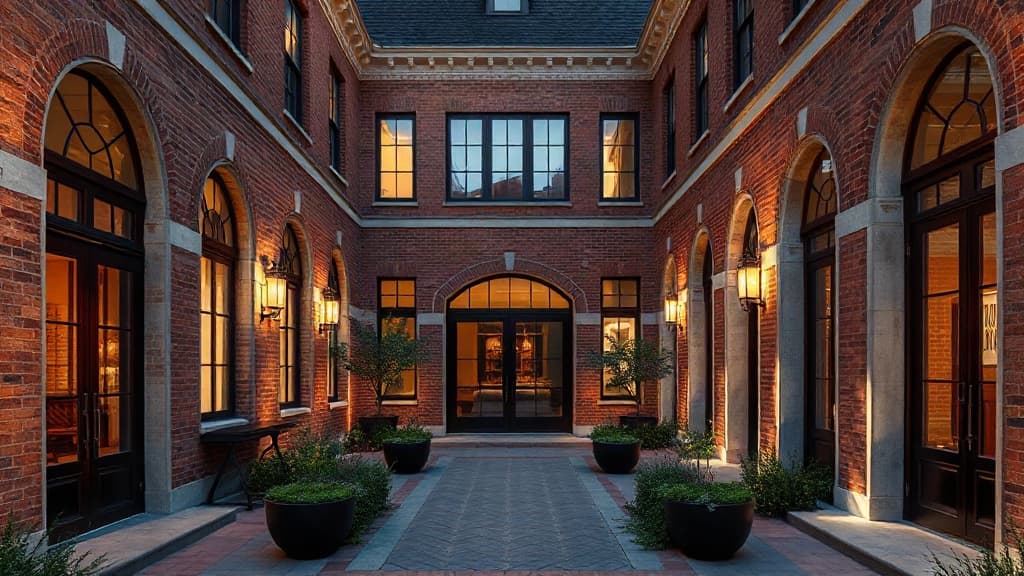
Elegance, Edited: A Homeowner's Guide to Classic & Neoclassical Style
Classic and Neoclassical design needn't be a museum piece. We offer practical strategies for integrating timeless architectural grace into modern living.
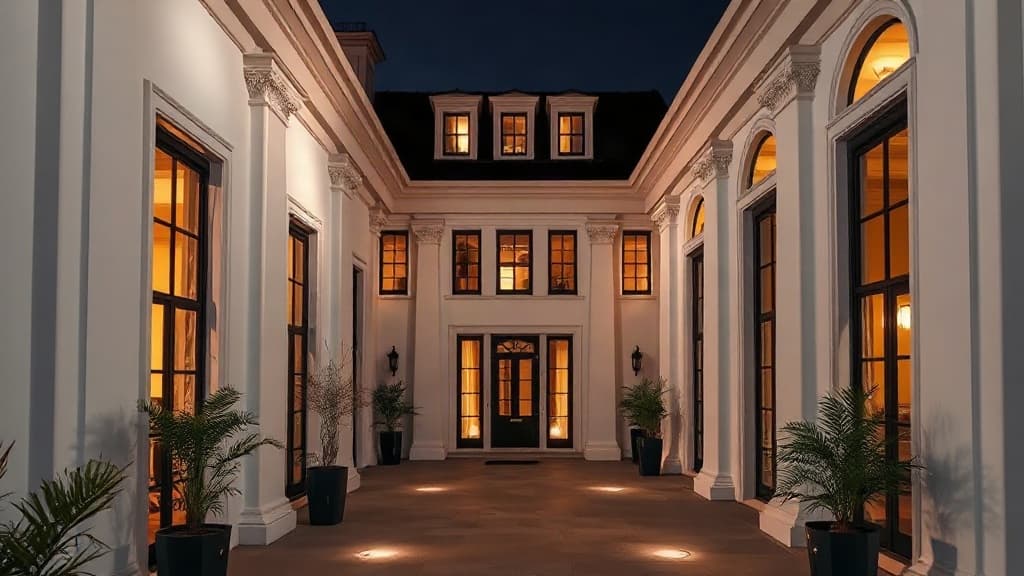
Classical Conversations: Blending Timeless Style with Modern Living
Classic and Neoclassical design is about more than columns and cornices. We offer practical guidance for homeowners to incorporate its elegance into contemporary life.