Design
The Architect's Toolkit: How Lighting, Materials & Layouts Converge to Shape Space
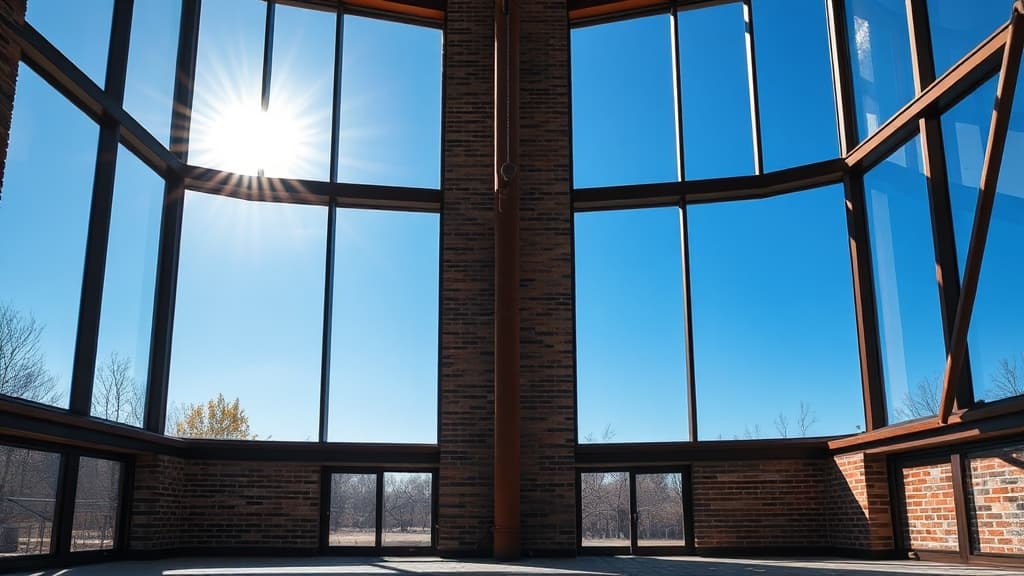
In the alchemy of interior design, three elemental forces hold supreme power: the quality of light, the substance of materials, and the logic of layout. While each can captivate on its own, it is their considered convergence that breathes soul into space. This orchestration moves beyond mere aesthetics, forming the foundational grammar from which comfort, utility, and atmosphere are composed. It is a dialogue between the seen and the felt, where every choice, from a floorboard's grain to a lamp's glow, contributes to a cohesive narrative of place.
Lighting operates as the primary choreographer of mood and perception. It is far more than illumination; it is a tool for sculpting. Ambient light establishes a base tone, akin to a painter's wash. Task lighting brings precision and clarity to functional zones, while carefully placed accent lighting performs as a dramatic highlight, drawing the eye to a textural wall or a cherished object. The temperature of light—from the warm, golden hues that invite relaxation to the crisp, cool whites that foster concentration—directly influences our psychological response to a room. The principle is one of layered intention: light should be thought of in terms of purpose and emotion, not just wattage.
Materials and spatial layouts exist in a symbiotic relationship, with each informing the other. The tactile narrative of a space is written by its materials—the cool solemnity of polished concrete, the organic warmth of oak, the plush invitation of wool. These textures and finishes interact profoundly with light; a matte surface absorbs it softly, while a glossy one reflects it dynamically. The layout, or the plan, is the silent conductor of movement and interaction. An open-plan flow encourages sociability and visual connection, while defined zones created through furniture placement or material changes offer privacy and functional clarity. The key principle is flow: a successful layout intuitively guides inhabitants through the space, balancing circulation with purposeful, anchored areas for rest or activity.
Ultimately, mastering interior design is less about following trends and more about understanding these core, interdependent relationships. When lighting is chosen to enhance materiality, and a layout is devised to optimize both natural and artificial light, the space achieves a state of harmony. It becomes an experiential environment, tailored not just to look at, but to live within. To delve deeper into how these principles are applied across different rooms and styles, we invite you to [see more Interiors stories](/interiors/lighting-materials).
Read Also
Feature
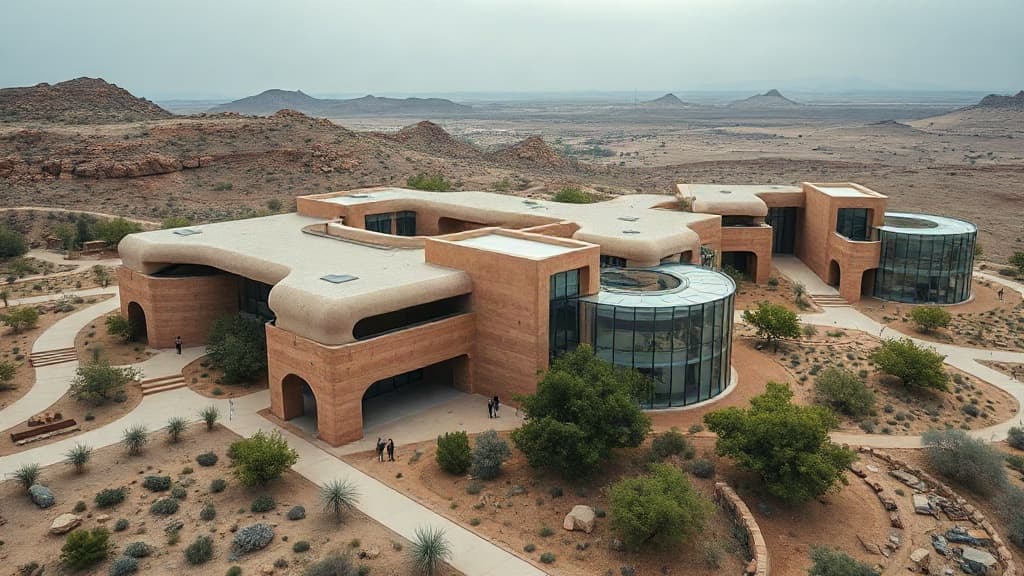
From Urban Plazas to Verdant Corridors: Where Vision Meets Public Need
Exploring how groundbreaking public landscapes draw inspiration from their surroundings and serve as dynamic, real-world classrooms for designers.
Guide
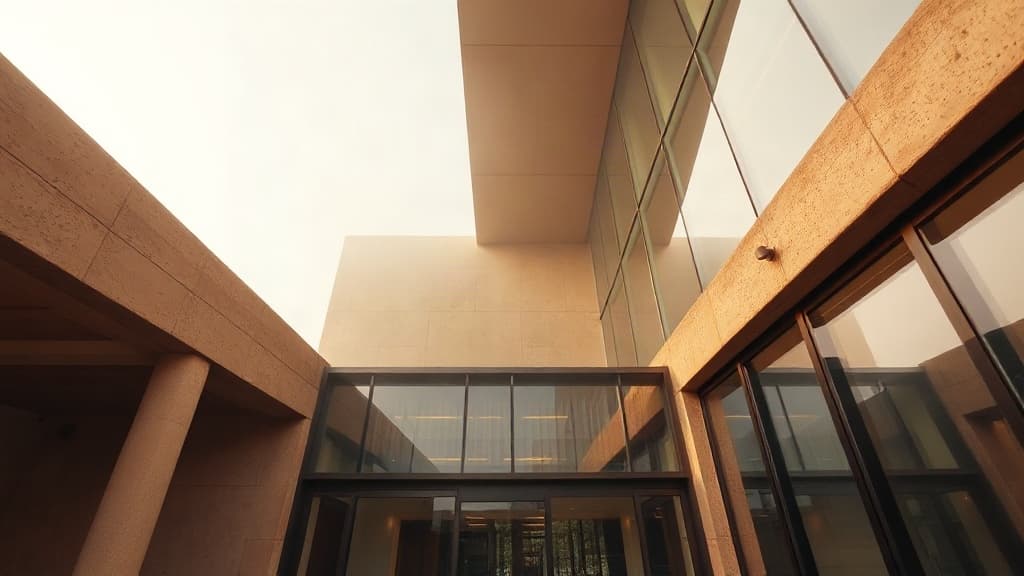
Everyday Landscapes: How Public Design Principles Can Transform Your Home
Great public spaces aren't just beautiful; they're practical. We reveal their design secrets to help you craft a more functional and inviting home.
Feature
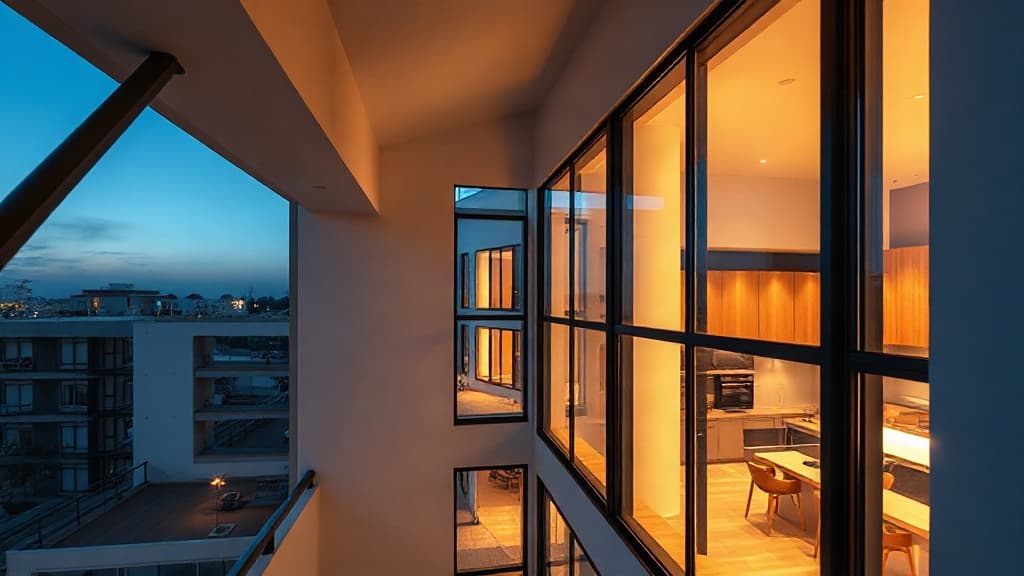
The Public Tapestry: Weaving Place with Material, Light, and Craft
How the intricate interplay of substance, illumination, and meticulous detail transforms shared landscapes into profound civic experiences.