The Courtyard Reimagined: How Modern Dwellings Reclaim the Ancient Heart of the Home
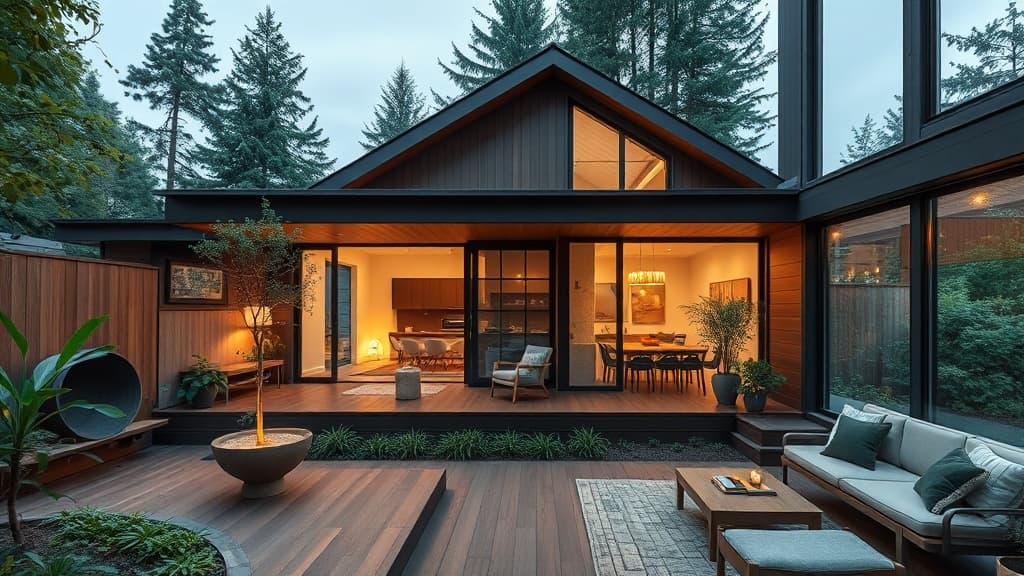
In an age of urban densification and digital saturation, the human longing for a tangible sense of place—a sanctuary that is both private and porous to the elements—has never been more acute. This yearning is manifesting in a quiet but decisive revolution in residential architecture: the deliberate, thoughtful reclamation of the courtyard. Far from the grand atriums of public institutions or the ornamental patios of suburbia, today’s courtyard is being re-envisioned as the active, living heart of the home. It is no longer a leftover space, but the generative core from which the entire dwelling unfolds, orchestrating light, air, movement, and connection in a manner that challenges the very notion of the monolithic house.
Historically, the courtyard has been a cornerstone of domestic architecture across cultures, from the Roman domus to the traditional Arabic house and the Chinese siheyuan. It served as a protected oasis, a regulator of climate, and the social nucleus of family life. Modernism, with its emphasis on the freestanding object and panoramic views, often turned its back on this introverted model, favouring the house as a pavilion in a landscape. The contemporary return to the courtyard is not a nostalgic replication, however. It is a sophisticated synthesis, merging ancient wisdom with modern needs. It answers the paradox of our time: how to achieve a sense of expansive living within a constrained urban footprint while maintaining privacy from neighbouring eyes and the noise of the world.
This new paradigm treats the house not as a singular volume but as a ‘village’ of interconnected functions. Imagine a residence where living, sleeping, and working are gently separated into distinct, low-slung volumes, clad in warm, natural materials like cedar or charred wood. These structures don’t huddle together; they are carefully placed in a deliberate dance around a central, open space. This void—the courtyard—becomes the protagonist. It functions as an outdoor room, a park for the family, a light well, and the primary circulatory organ. Movement through the home becomes a journey through this curated landscape, with covered walkways or delicate steel trellises offering sheltered transitions that heighten the experience of moving between the built and the unbuilt.
The architectural consequence is profound. The façade, in the traditional sense, becomes almost irrelevant. The primary relationship is inward, focused on the courtyard. This inward focus allows for a radical privacy on dense urban lots; the home presents a respectful, perhaps even modest, face to the street, while within its boundaries, a rich, layered world is revealed. The interior design logic shifts accordingly. Rooms are designed to engage in a continuous dialogue with this central space. Large glazed walls disappear, replaced by sequences of doors and windows that can be thrown open, dissolving boundaries. The interior palette often draws from the courtyard’s materials, fostering a seamless flow. The distinction between ‘inside’ and ‘outside’ is not erased but beautifully blurred.
For our readers in architecture and interior design, this trend is a critical study in sustainable, human-centric planning. It champions passive environmental strategies: the courtyard facilitates cross-ventilation, provides shade, and modulates temperature. More importantly, it addresses psychological well-being. It offers controlled exposure to nature, daylight from multiple angles, and the quiet joy of a protected outdoor domain that is truly usable year-round. It represents a move away from the spectacle of the architectural object towards the creation of experiential sequences and lived atmospheres.
Ultimately, the reimagined courtyard house is a powerful statement against isolation—both from nature and from our own domestic patterns. It encourages a slower, more mindful circulation within one’s own home. It turns routine passages into refreshing pauses, and the home itself into a dynamic landscape for daily life. This is not merely a formal arrangement; it is a philosophical stance. It posits that the highest luxury in contemporary design is not square footage alone, but the quality of space, the gift of natural light, and the profound sense of belonging to a place that is uniquely, intimately one’s own. In reclaiming the ancient courtyard, modern architecture finds a potent language for a more connected, serene, and resilient future.
Read Also
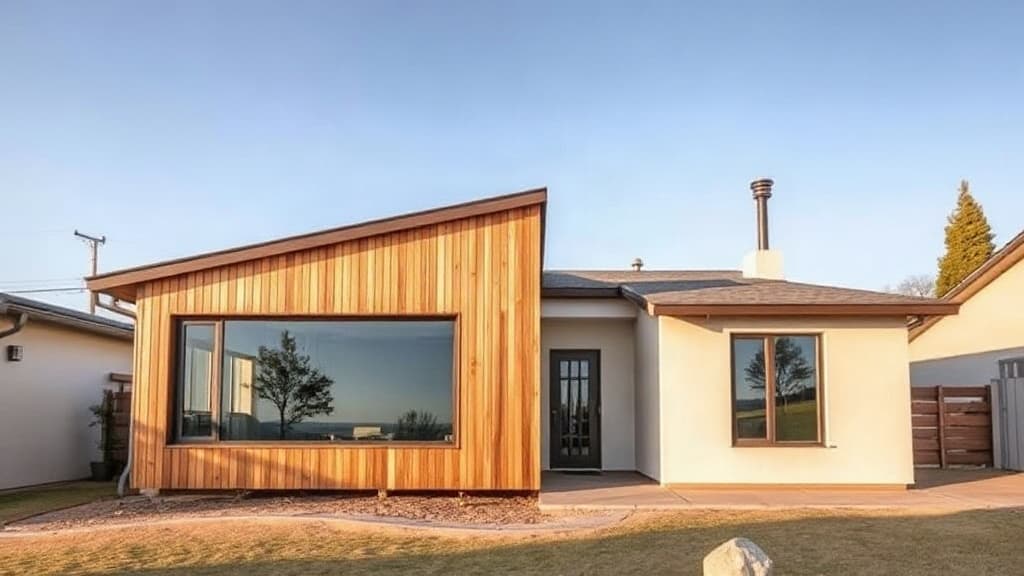
10 Modern House Exterior Design Ideas You Can Use
Ten specific ideas for modern house exteriors, covering materials, forms, and details. Get concrete advice you can apply to your own project.
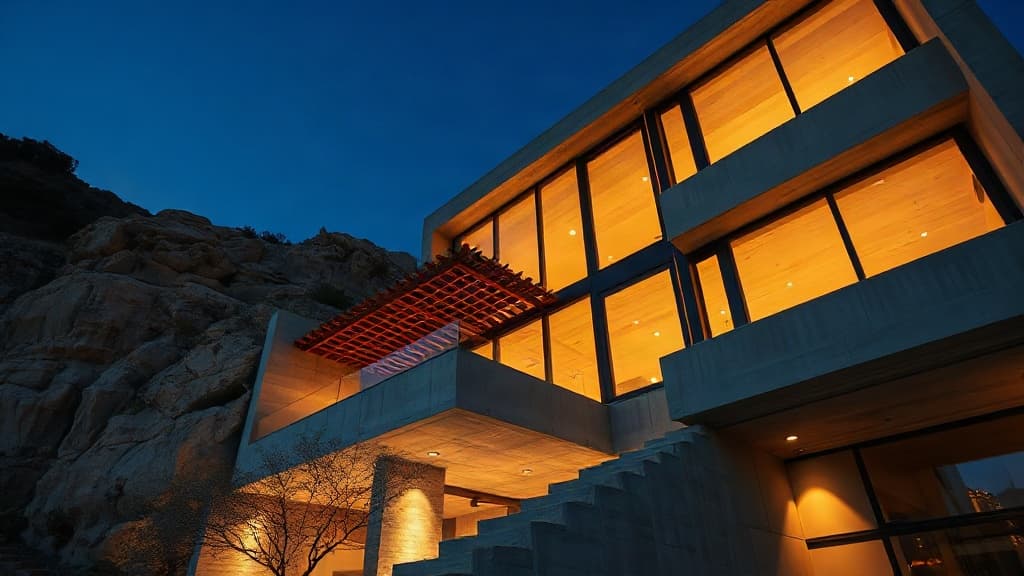
Where Ideas Take Shape: Finding Design Inspiration in the Built World
Architecture doesn't exist in a vacuum. This piece explores how real-world forms, from canyon cliffs to village squares, become the foundation for extraordinary homes.
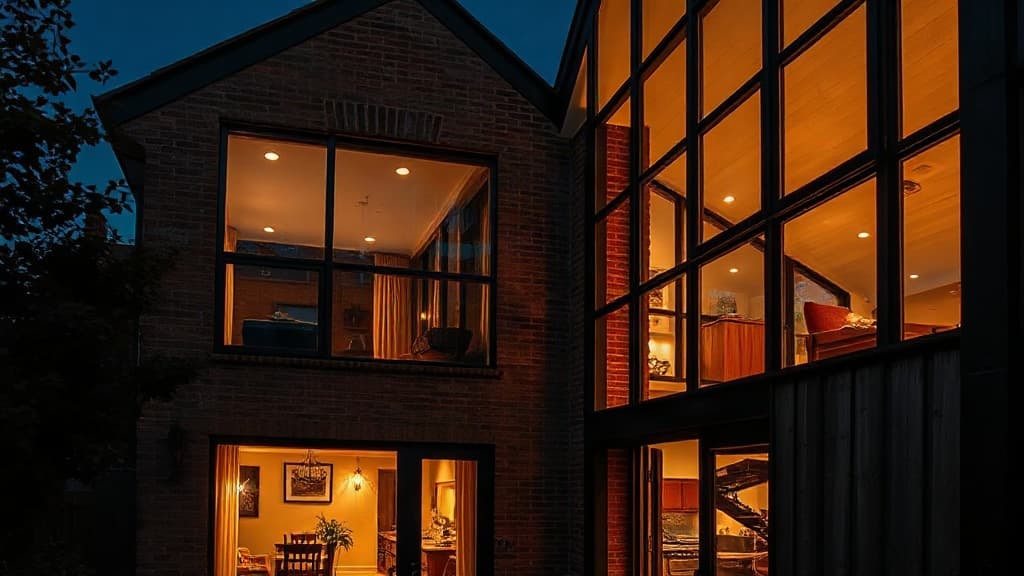
Your Blueprint for Clarity: Practical Architecture Tips Before You Build or Renovate
Transform your home project from overwhelming to outstanding with these foundational, practical insights from architectural thinking. A guide for the decisive homeowner.