The Foundation of Less: Core Principles of Minimalist Design
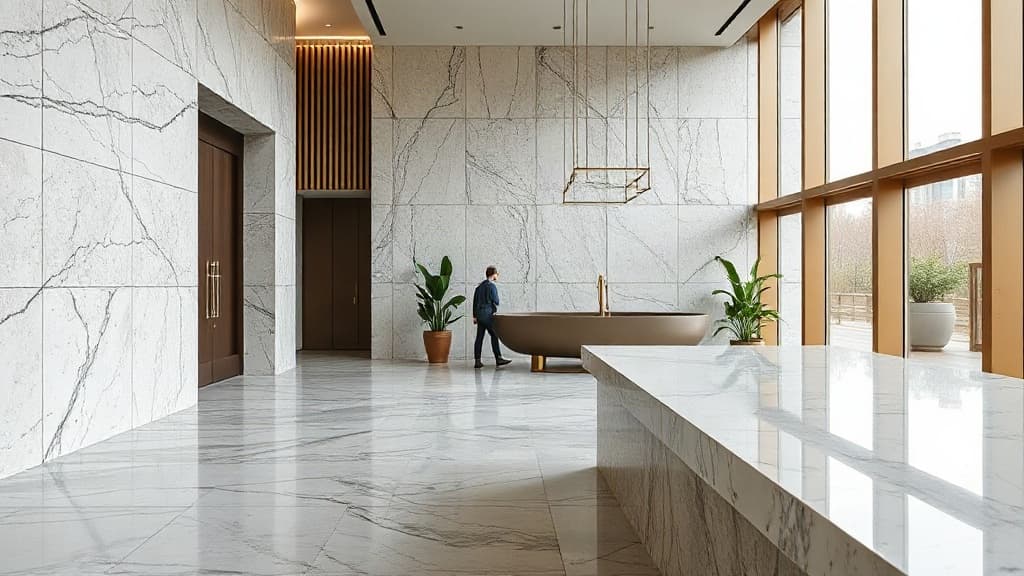
In a world saturated with visual noise, the minimalist style emerges not as a mere aesthetic choice but as a profound philosophy of living. It is a deliberate retreat from excess, a conscious curation of space that prioritises essence over ornament. Far from being cold or barren, true minimalism cultivates an atmosphere of clarity, calm, and intentionality, where every element is purposeful and every object breathes. It is architecture and interior design reduced to its most potent, resonant form.
At the heart of minimalist design lies a rigorous editing process. The foundational principle is reduction—the stripping away of the non-essential to reveal the integrity of space, form, and material. This is not simply decluttering, but a thoughtful paring down to a core composition. The resulting canvas is defined by clean lines, uncluttered volumes, and a restrained material palette. Neutral tones, such as whites, greys, and beiges, often dominate, not to create monotony but to establish a serene backdrop that amplifies texture, light, and the occasional, carefully considered accent. The goal is visual silence, allowing the architecture itself to speak.
This philosophy extends to the tactile and functional experience of a space. Minimalism champions quality and craftsmanship, selecting materials for their innate beauty and authenticity. Polished concrete, raw timber, cool marble, and textured linen are not hidden but celebrated in their simple state. Function is elevated to an art form; storage is seamlessly integrated, and furniture serves its purpose with elegant efficiency. Natural light is treated as a primary material, sculpting spaces and highlighting forms throughout the day. The interplay of light and shadow on a bare wall becomes a dynamic feature. Ultimately, minimalist design is about creating a sanctuary of order that fosters focus and tranquillity. To explore further the nuances of design movements, see more Styles stories.
Read Also
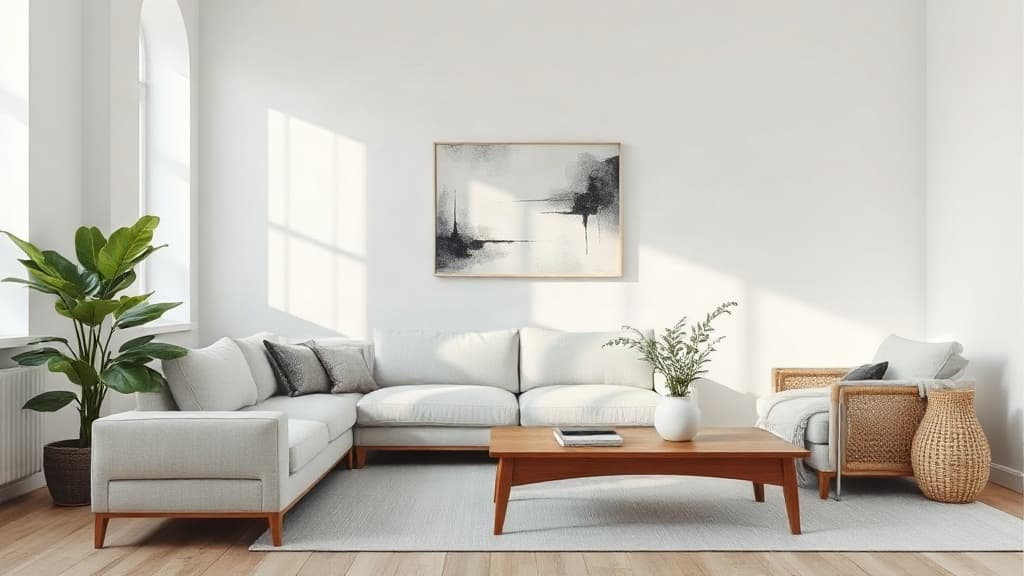
Minimalist Interior Design Ideas for a Calm Home
Practical ideas for a minimalist home, from choosing furniture to hiding clutter. Learn how to use color, light, and storage.
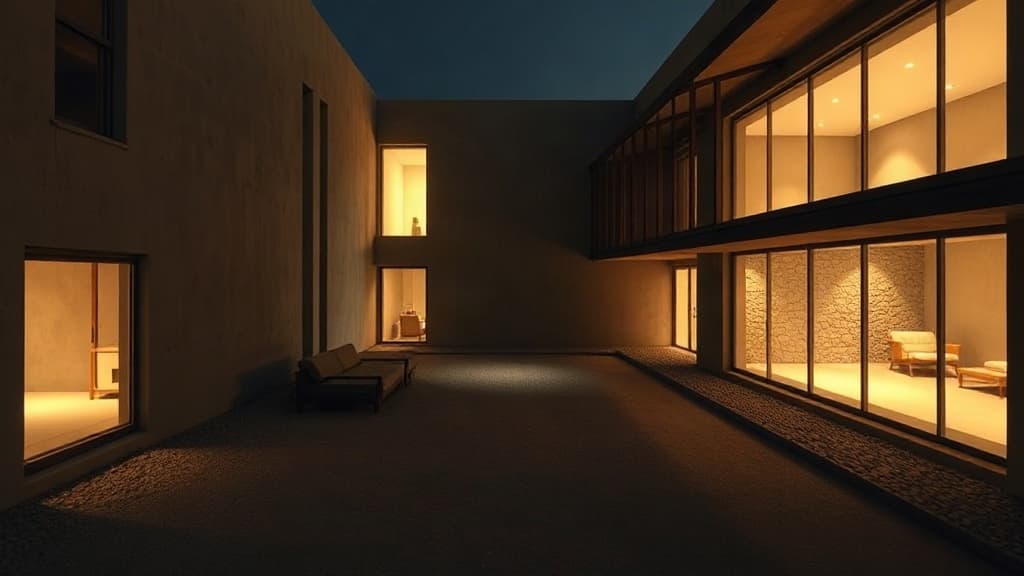
The Space Between Things: How Minimalism Finds its Heart in Empty Corners
Forget stark austerity. True minimalist design thrives in the thoughtful balance between object and void, creating spaces for inspiration, calm, and life itself.
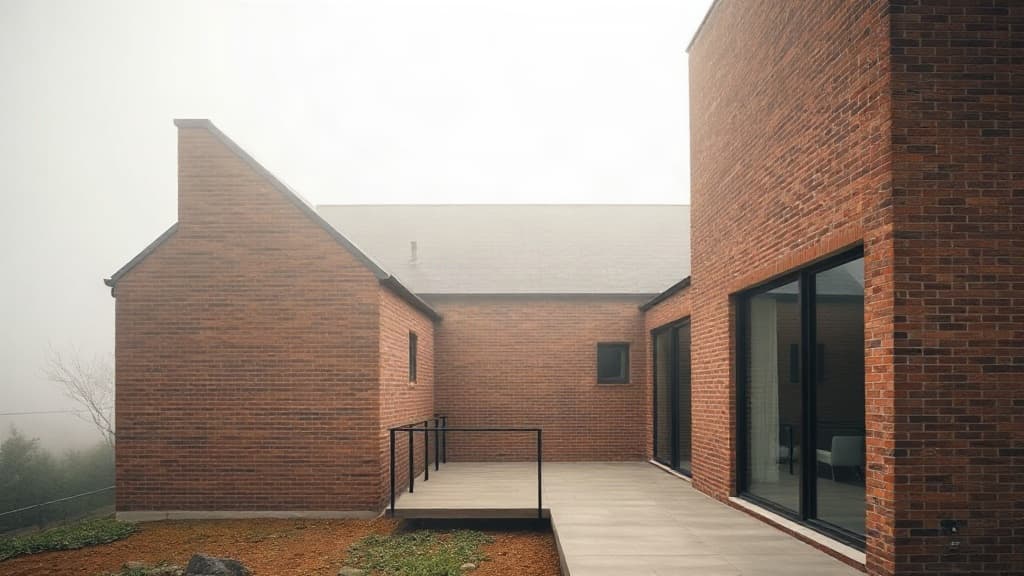
The Intentional Home: Adopting Minimalism as a Daily Practice
Minimalism is more than an aesthetic; it's a practical philosophy for creating a serene and functional living environment. Discover actionable strategies to declutter your space and mind.