Guide
The Gathering Principle: Practical Wisdom for Your Living Spaces
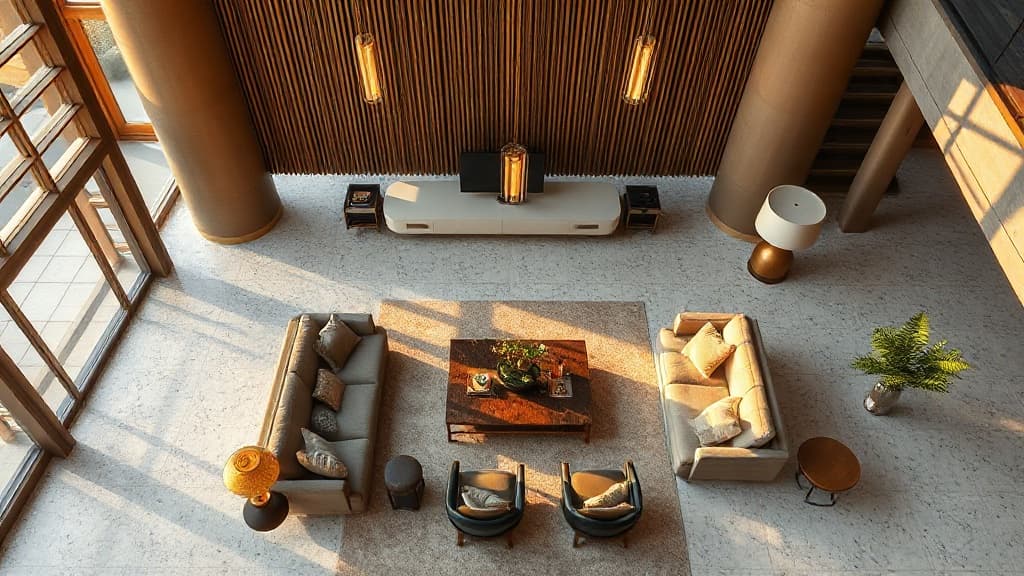
The living room, or majlis, is the heart of a home. It's where we gather, converse, and unwind. Yet, amid the pressure for a 'perfect' space, the practical needs of daily life can be overlooked. Striking a balance between aesthetic appeal and functional harmony is key. For homeowners, this isn't about following a rigid style, but about applying timeless principles that make a room work for you and your family.
First, define your space's core purpose. Is it a formal entertaining zone, a casual family hub, or a multi-use sanctuary? This clarity informs every subsequent choice. For high-traffic family areas, prioritize durable, stain-resistant fabrics on seating and opt for performance textiles that offer both luxury and ease. Incorporate generous, closed storage—like a media console or built-in cabinetry—to taway daily clutter, ensuring surfaces remain clear and serene. Remember, a beautiful room that can't handle real life will always feel tense.
Next, master the art of adaptable layouts. Instead of fixing furniture permanently against walls, consider creating flexible zones. A pair of armchairs with a small table can form a reading nook; a large ottoman serves as extra seating, a footrest, and a coffee table with a tray. Use area rugs to anchor these zones visually. Lighting should be equally layered: combine ambient (overhead), task (floor lamps for reading), and accent (picture lights) to sculpt the mood for any occasion, from a bright family game night to an intimate evening with guests.
Ultimately, your living area should tell your story. Practicality provides the stage, but personal touches provide the soul. Display well-loved books, art collected from travels, or heirloom textiles. These elements inject warmth and authenticity, transforming a well-designed room into a true home. For more inspiration on crafting spaces that balance beauty and utility, [see more Interiors stories](/interiors/living-reception).
Read Also

Feature
The Silent Commerce: How Materials, Light & Detail Engineer Human Behavior
Beyond aesthetics, commercial architecture deploys materiality, illumination, and meticulous detail as psychological tools that guide movement, decision-making, and perception.
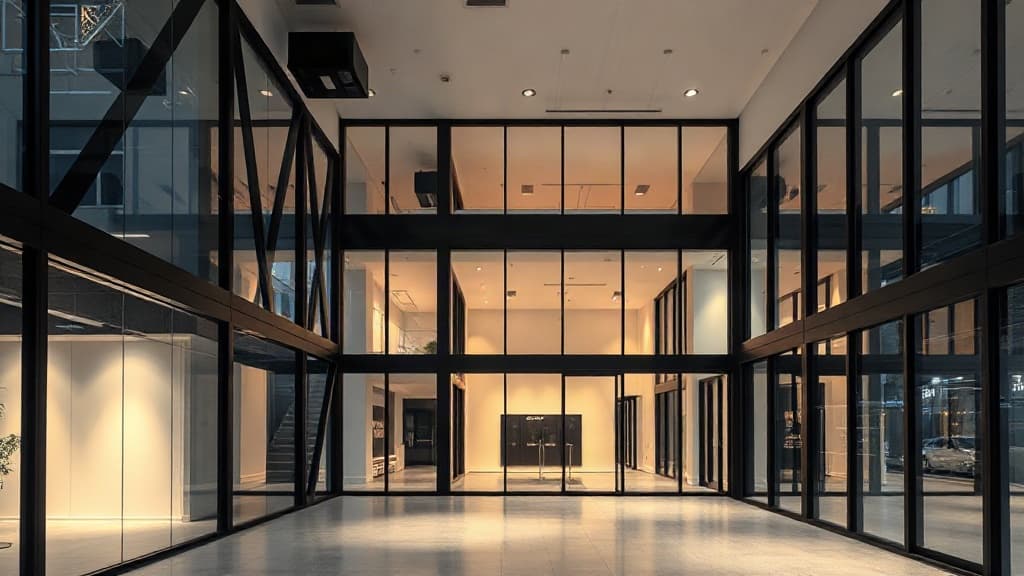
Feature
The Commerce of Experience: Core Principles of Commercial Architecture
Commercial architecture is the strategic art of designing spaces that work, sell, and inspire, moving beyond mere aesthetics to shape the human experience.
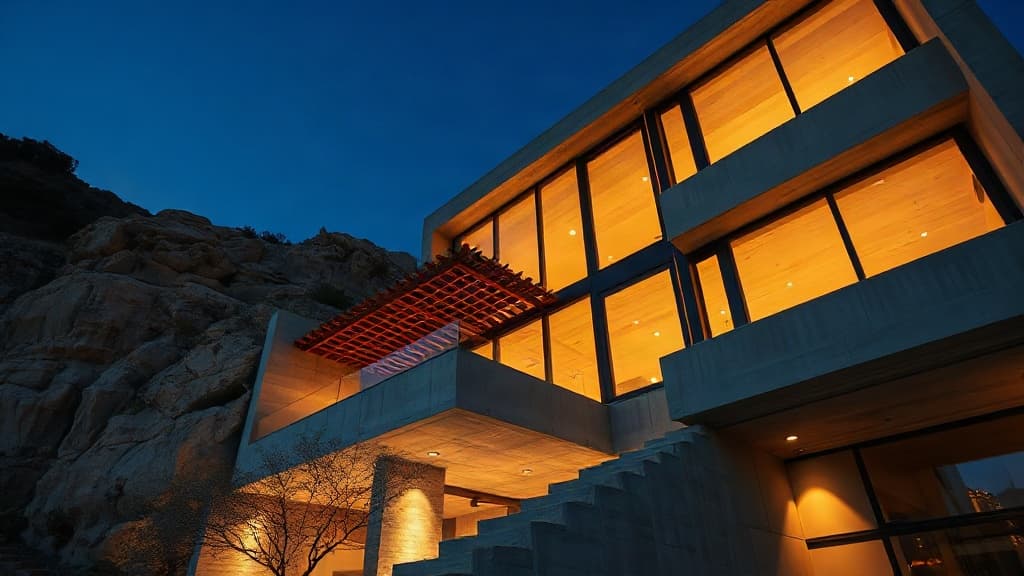
Feature
Where Ideas Take Shape: Finding Design Inspiration in the Built World
Architecture doesn't exist in a vacuum. This piece explores how real-world forms, from canyon cliffs to village squares, become the foundation for extraordinary homes.