Design
The People's Ground: Enduring Principles for Designing Public Landscapes
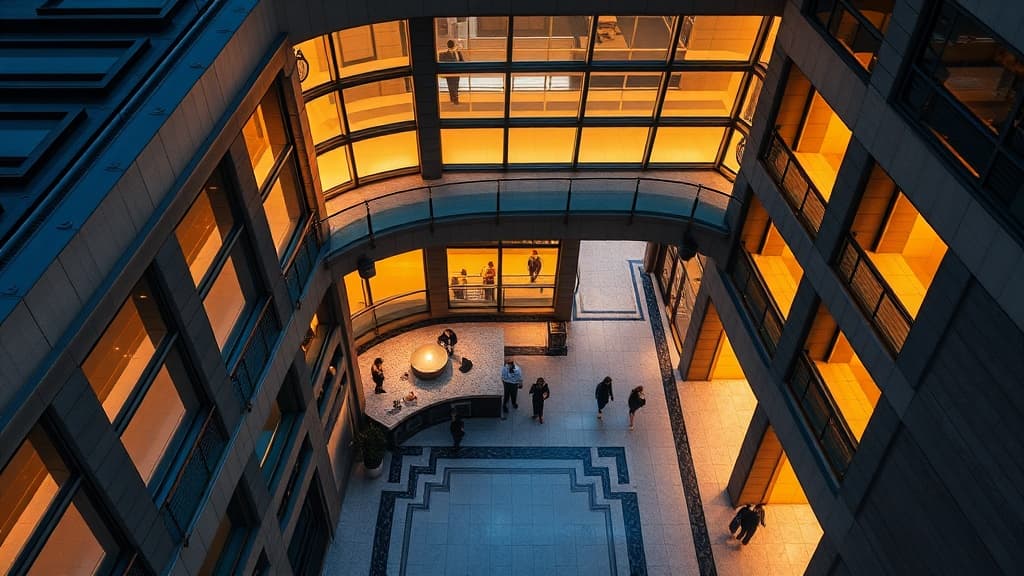
In the intricate tapestry of the built environment, public landscapes stand as our most democratic and accessible canvases. These are not the private gardens of contemplation nor the exclusive courtyards of commerce; they are the people’s ground—parks, plazas, waterfronts, and civic forecourts where society convenes, celebrates, and connects. The most successful of these projects transcend mere aesthetics or functionality; they become woven into the cultural and social identity of a place, fostering a profound sense of belonging and collective memory. Their creation, therefore, demands a design philosophy rooted in principles that ensure resilience, inclusivity, and timeless relevance.
The fundamental principle underpinning all great public landscape architecture is a deep understanding of **Context & Narrative**. A project cannot be a placeless object dropped from the sky. It must engage in a dialogue with its surroundings—the geological history of the land, the cultural heritage of its people, and the existing urban or natural fabric. This might mean preserving a historic sightline, referencing indigenous planting palettes, or designing topography that responds to a city’s prevailing winds. The narrative is not imposed but unearthed, allowing the design to tell a story that resonates with both long-time residents and first-time visitors, grounding the space in a unique sense of place that cannot be replicated elsewhere.
From this contextual foundation arises the critical principle of **Layered Function & Social Durability**. A vibrant public space must cater to a multitude of uses, often simultaneously. It is a stage for the spontaneous and the programmed, the active and the passive. Successful design achieves this through flexibility and legibility: a grand stair that doubles as an amphitheater, a paved zone clear enough for a farmers' market yet intimate enough for a chess game, a meandering path for solitary reflection that also connects key civic nodes. This layering ensures the space remains useful and lively throughout the day and across seasons, adapting to the evolving needs of the community rather than dictating a single, rigid use.
Ultimately, these principles converge in the pursuit of **Ecological & Material Integrity**. Public landscapes are long-term custodians of environmental health within urban settings. Today’s design principles mandate a move beyond ornamental horticulture towards resilient, climate-appropriate ecosystems that manage water, support biodiversity, and improve microclimates. Material choices are equally crucial; they must be honest, durable, and age with grace. Whether local stone that patinates beautifully or robust concrete that requires minimal maintenance, the selection speaks to a commitment to longevity and sustainability, ensuring the space matures like a fine wine rather than decaying like a forgotten artifact. For those captivated by the dialogue between built form and open space, we invite you to [see more Architecture stories](/architecture/public-landscape).
Read Also
Feature
The Language of Space: How Materials, Light & Detail Speak
Architecture's most profound conversations are unspoken, conducted through the deliberate interplay of substance, shadow, and refinement. We listen in.
Feature
The Conversation Behind the Craft: What Experts Reveal in Archdeco Interviews
Moving beyond static showcases, Archdeco’s expert interviews uncover the foundational principles and philosophical dialogues that shape our built environments, revealing the thinking that makes spaces sing.
Guide
From Gallery to Living Room: Borrowing Design Confidence from Public Spaces
Discover how the bold confidence of museum galleries and boutique hotels can be distilled into practical principles for designing a home that feels both inspired and authentically yours.