The Philosophy of Simplicity: A Journey from Modern to Contemporary
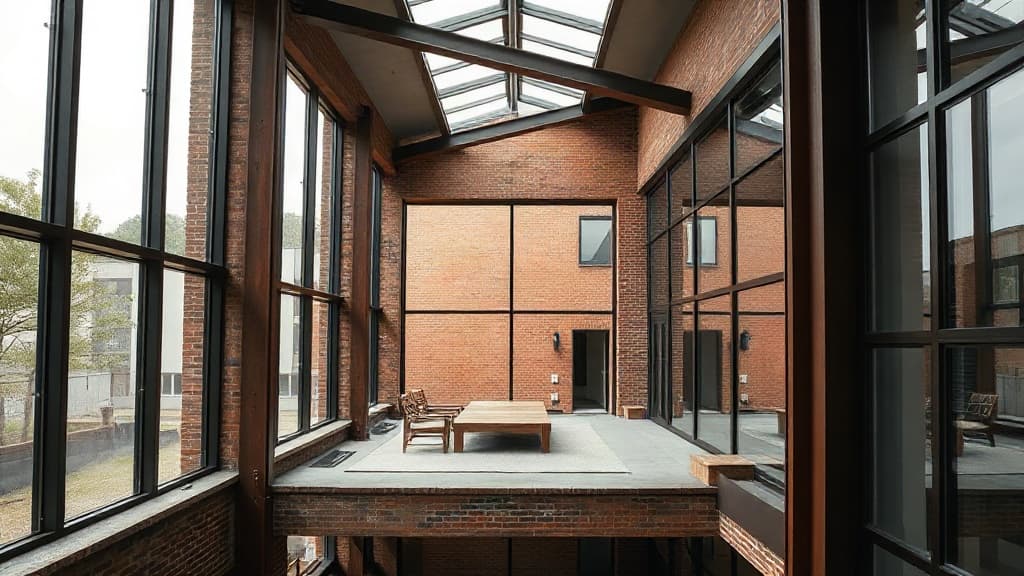
In the ever-evolving lexicon of interior design, few terms are as influential, or as often conflated, as ‘Modern’ and ‘Contemporary’. While they are frequently used interchangeably in casual conversation, each represents a distinct philosophy rooted in its own time and ethos. Modern style, born from the revolutionary early-to-mid-20th century movements like Bauhaus and Scandinavian design, is a historical moment captured in architecture and furnishings. Contemporary style, by contrast, is a living, breathing dialogue with the present, absorbing and reflecting the now. Yet, a shared ideological thread—a reverence for simplicity, truth to materials, and human-centric thinking—weaves them together, forming the bedrock of much of today’s aesthetic discourse. This journey from a defined past to a fluid present offers a masterclass in foundational design principles.
At its heart, Modernism was a radical manifesto. It emerged as a decisive break from ornamentation, championing a ‘form follows function’ credo that sought to solve societal problems through design. The principles are clear and uncompromising: clean, geometric lines create visual order. An honest expression of materials—letting concrete be concrete, wood show its grain, and steel reveal its strength—becomes the primary decoration. Open, airy floor plans break down barriers, promoting a sense of freedom and connectivity. Color palettes are often neutral, with bold primary colors used as deliberate, graphic accents. Every element, from a cantilevered chair to a flat roof, is intended to serve a purpose, stripping away the superfluous to reveal an object’s or space’s essential truth.
Contemporary design inherits this love for simplicity but liberates it from historical dogma. It is not bound by a single rulebook but is defined by its temporal context, making it inherently eclectic and adaptive. The core principle here is curated minimalism—a conscious editing process that values quality and statement over quantity. Where Modernism might insist on a strict material palette, Contemporary style embraces a thoughtful fusion: sleek metal alongside warm, textured wood; polished concrete softened by plush, organic fabrics. The line is celebrated but often made fluid, with curved sofas and sculptural light fixtures introducing dynamism. Technology and sustainability are intrinsic, not afterthoughts, leading to smart home integration and ethically sourced materials. Light, both natural and artificial, is treated as a sculptural medium, shaping mood and defining spaces with shadow and glow.
Ultimately, understanding the transition from Modern to Contemporary is less about memorizing dates and more about grasping an underlying mindset. It is a shift from the universal solution to the personal narrative, from rigid doctrine to responsive philosophy. Both styles challenge us to consider what is essential, to find beauty in structure and authenticity, and to design spaces that truly serve the human experience within them. For a deeper dive into the nuances that define our living environments, we invite you to see more Styles stories.
Read Also
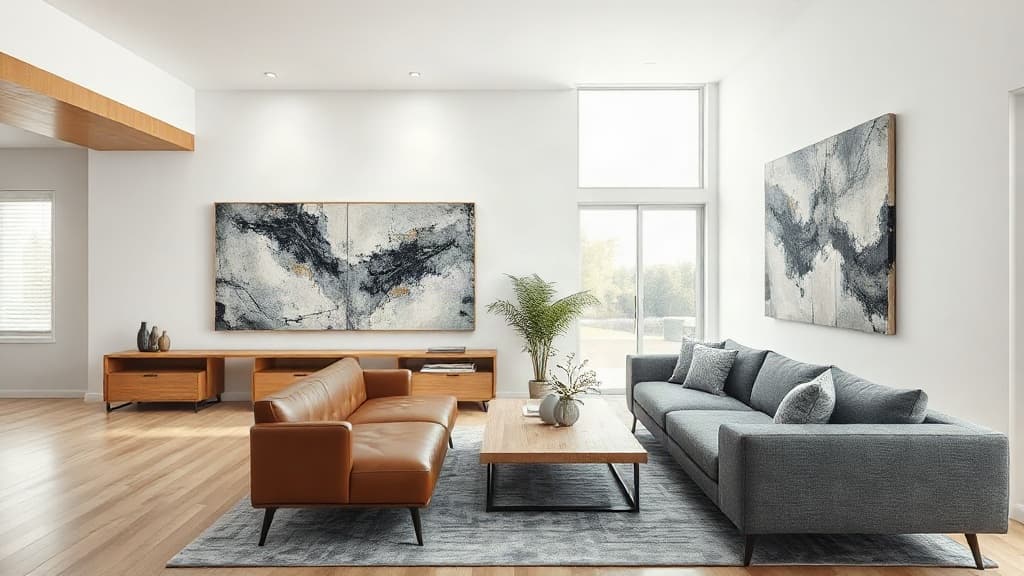
Modern vs Contemporary Interior Design Explained
Learn the key differences between Modern and Contemporary interior design, including their distinct origins, materials, and color palettes.
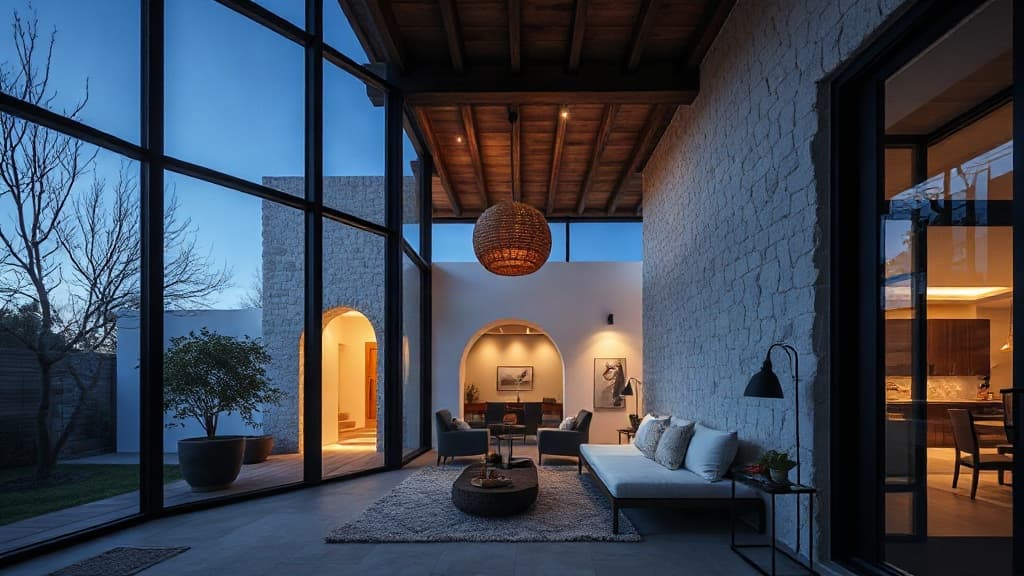
Where Minimalism Meets Life: The Real-World Evolution of a Style
Moving beyond stark principles, we explore how modern and contemporary design finds inspiration in daily life, adapting to create spaces that are both beautiful and deeply livable.
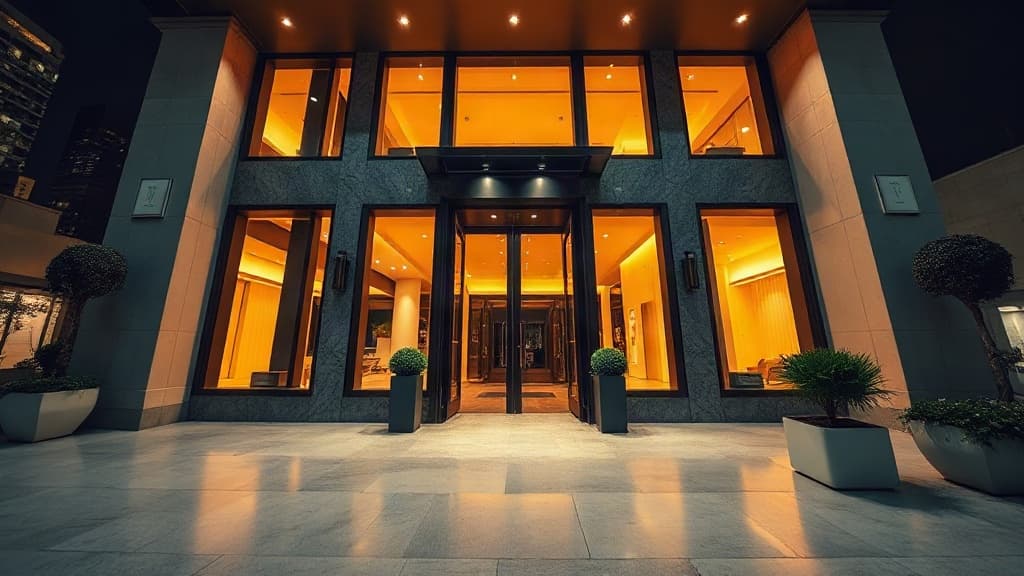
Living with Modernism: Practical Adaptations for Everyday Homes
Embracing modern and contemporary style doesn't mean sacrificing comfort. Discover actionable tips to bring clean lines and thoughtful design into your daily living.