The Poetry of Place: How Topography and Domesticity Shape a Modern Residence
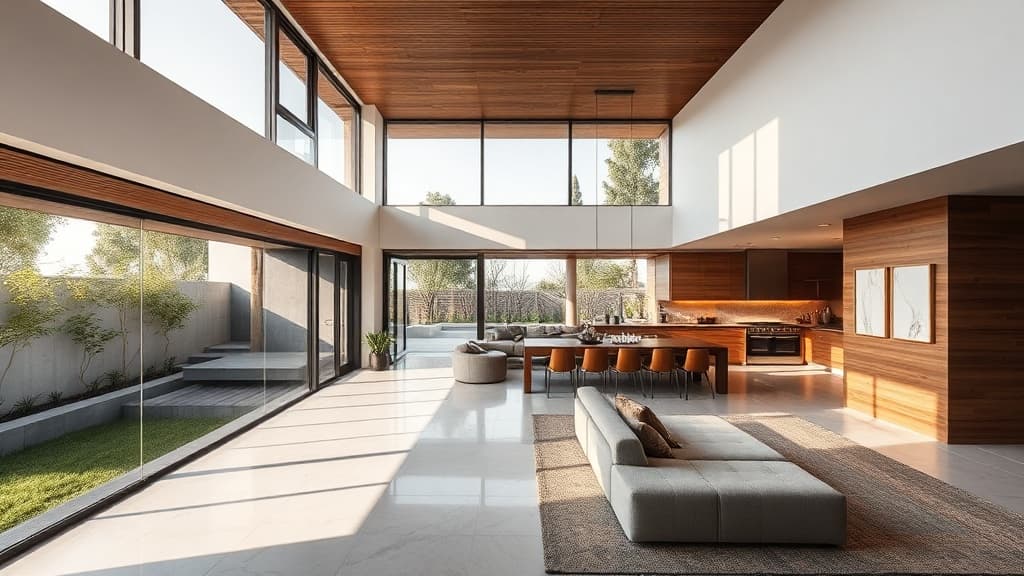
In contemporary architecture, the conversation often orbits around the iconic—the gravity-defying cantilever, the shimmering glass facade, the radical sculptural form. Yet, there exists a quieter, more profound discipline: the art of listening. Listening to the whispered language of the land, the silent choreography of the sun, and the intimate rhythms of those who will dwell within. This is the architecture not of imposition, but of integration. It is in this realm that a home transcends being a mere object on a site and becomes a natural extension of it, a narrative written in concert with geography, climate, and human need.
The foundational act of such design is a deep, almost forensic reading of the site. It begins not with a pen on paper, but with boots on the ground. Architects become cartographers of subtlety, mapping not just boundaries and slopes, but the path of prevailing breezes, the dance of shadows through the day, the specific texture of existing vegetation, and the distant, framed vistas that steal the breath. A sloping, or 'aclived,' terrain is not seen as a problem to be leveled, but as a spatial opportunity—a generator of form. It suggests cascading volumes, split-level living that responds to the gradient, and terraces that emerge organically from the hillside, each level claiming its own unique relationship with the outdoors.
This responsive approach directly shapes the domestic program—the very blueprint of daily life. The private quarters might nestle into the more sheltered, upward portion of the land, finding serenity and protection. Meanwhile, the social heart of the home—the living, dining, and gathering spaces—can be orchestrated to engage with the most dramatic views or the sun's trajectory, becoming stages for the spectacle of the landscape. Circulation becomes a purposeful journey, moving inhabitants through varying light conditions and spatial experiences, connecting them consciously to the character of the place with every step.
For our readers at Archdeco, this matters deeply because it represents a shift from the disposable to the definitive. In an era of fast-paced design and fleeting trends, creating a 'definitive dwelling' conceived for 'continuous use throughout the year' is a powerful statement of sustainability and intentionality. It is architecture that rejects the notion of a weekend retreat disconnected from its context. Instead, it proposes a year-round habitat that is thermally intelligent, leveraging the land for passive cooling or solar gain. It is emotionally resonant, its spaces calibrated for both the vibrant chaos of family gatherings and the profound quiet of solitary mornings.
The interior design becomes the natural, inseparable counterpart to this architectural ethos. The materials palette is often drawn from or responds to the external environment: local stone, reclaimed timber, polished concrete that echoes the mineral quality of the earth. Large, strategically placed glazing dissolves boundaries, allowing the greenery and sky to become the primary artwork. The interior decor then adopts a restrained, almost curatorial role, furnishing spaces with pieces that complement rather than compete, ensuring the human scale remains present within the grand dialogue of site and structure.
Ultimately, this philosophy champions architecture as an act of stewardship. It is a reminder that our most meaningful built environments arise not from a battle with nature, but from a symbiotic partnership. For designers and clients alike, it invites a more patient, observant, and holistic process—one where the final form feels both discovered and inevitable, a permanent home that is, in every sense, of its place.
Read Also
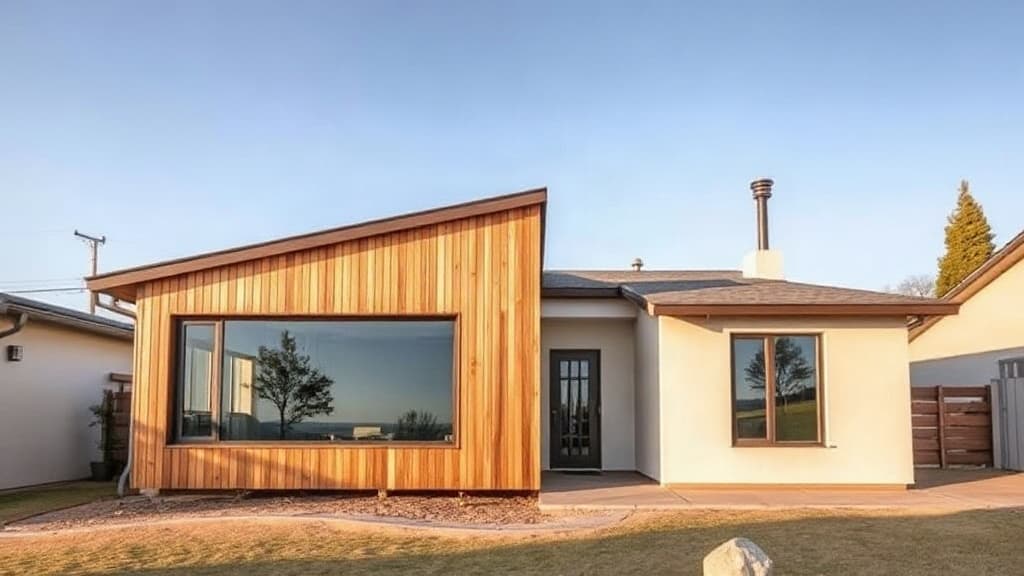
10 Modern House Exterior Design Ideas You Can Use
Ten specific ideas for modern house exteriors, covering materials, forms, and details. Get concrete advice you can apply to your own project.
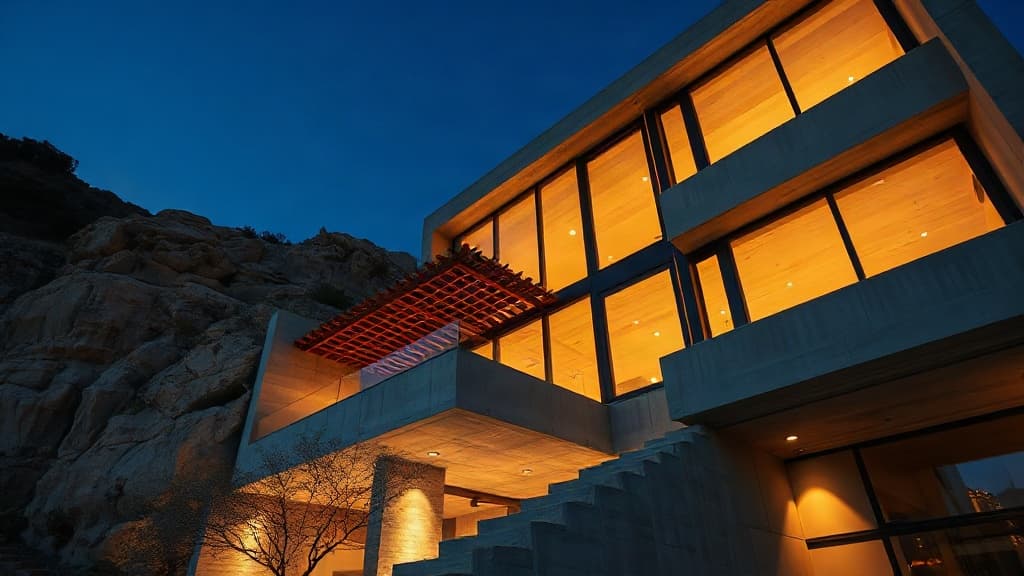
Where Ideas Take Shape: Finding Design Inspiration in the Built World
Architecture doesn't exist in a vacuum. This piece explores how real-world forms, from canyon cliffs to village squares, become the foundation for extraordinary homes.
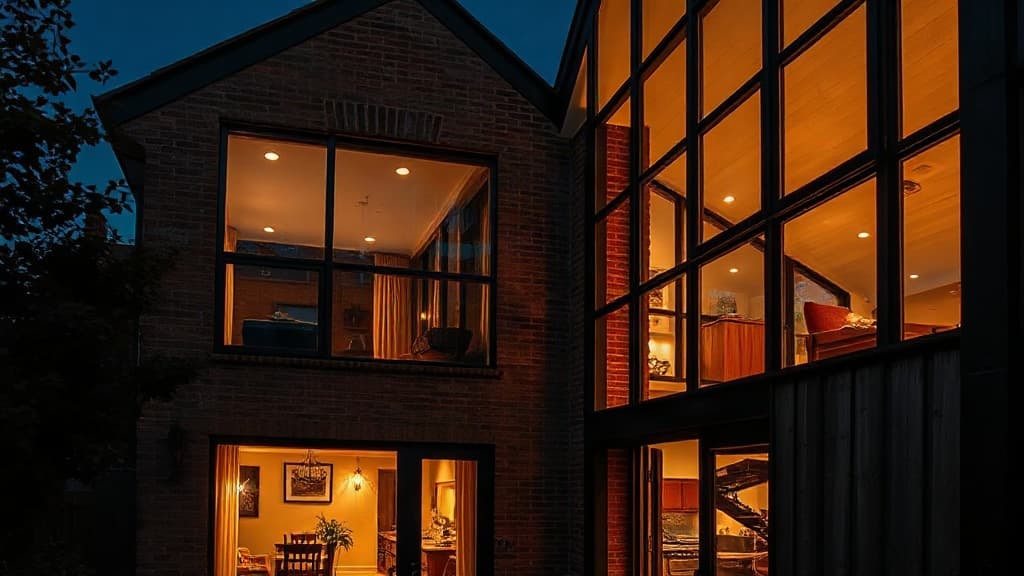
Your Blueprint for Clarity: Practical Architecture Tips Before You Build or Renovate
Transform your home project from overwhelming to outstanding with these foundational, practical insights from architectural thinking. A guide for the decisive homeowner.