The Quiet Language of Home: Foundational Principles of Residential Architecture
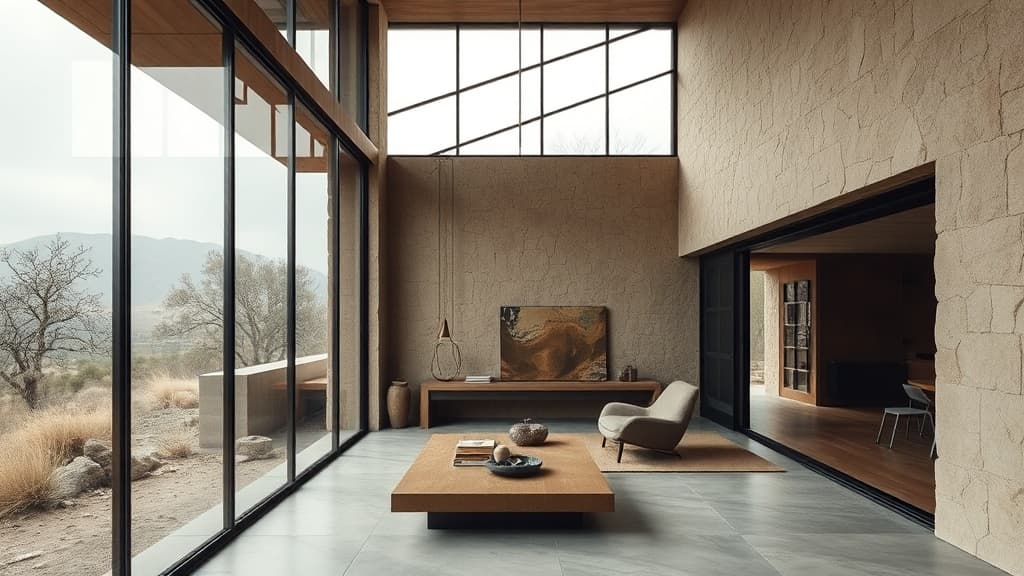
Residential architecture is the most intimate and profound dialogue between structure and soul. It is not merely the art of erecting walls and roofs, but the delicate craft of composing spaces for human life—a symphony of light, material, form, and flow that speaks directly to our need for shelter, comfort, and belonging. While trends and technologies evolve, the foundational principles of designing a home remain rooted in a timeless understanding of human scale, purpose, and harmony with place.
At its core, residential design begins with a deep understanding of its inhabitants. The principle of ‘Form Follows Life’ prioritizes the daily rituals, aspirations, and interactions of those who will live within the walls. A successful home is not a static sculpture but a dynamic vessel for living; its layout, the adjacency of rooms, and the quality of circulation must facilitate the family’s unique rhythm, from the quiet solitude of a reading nook to the convivial chaos of a kitchen hub. This human-centric approach ensures the architecture serves the life within, not the other way around.
Equally crucial are the principles of Spatial Harmony and Environmental Response. Harmony is achieved through thoughtful proportion, a considered material palette that engages the senses, and the controlled interplay of natural light and shadow. It creates a sense of calm and coherence. Simultaneously, a home must respond to its context—whether urban or rural. This involves intelligent orientation for sunlight and breezes, the use of sustainable materials, and designs that forge a connection with the outdoors, be it through a framed garden view, a sheltered courtyard, or expansive glazing. The ideal home feels both a refuge from the world and a thoughtful part of it.
The beauty of these principles is that they guide but do not dictate a singular style. They can manifest in the clean lines of a modernist box, the textured warmth of a rammed-earth dwelling, or the adaptive reuse of a historic structure. Ultimately, great residential architecture creates a sense of ‘place’ where one feels authentically grounded. It is a silent yet eloquent backdrop to the stories of everyday life. To delve deeper into the craft of shaping space for living, see more Architecture stories.
Read Also
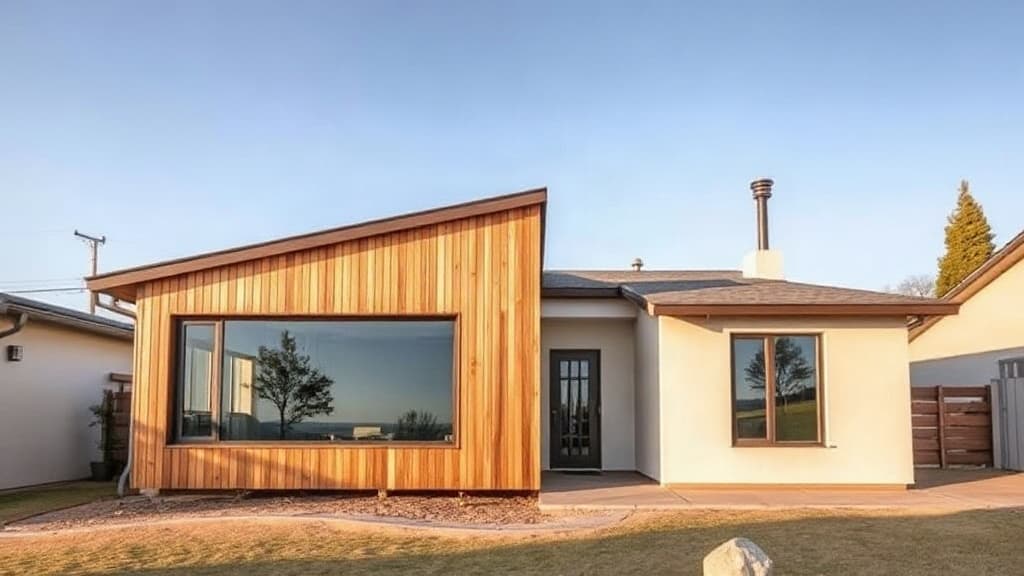
10 Modern House Exterior Design Ideas You Can Use
Ten specific ideas for modern house exteriors, covering materials, forms, and details. Get concrete advice you can apply to your own project.
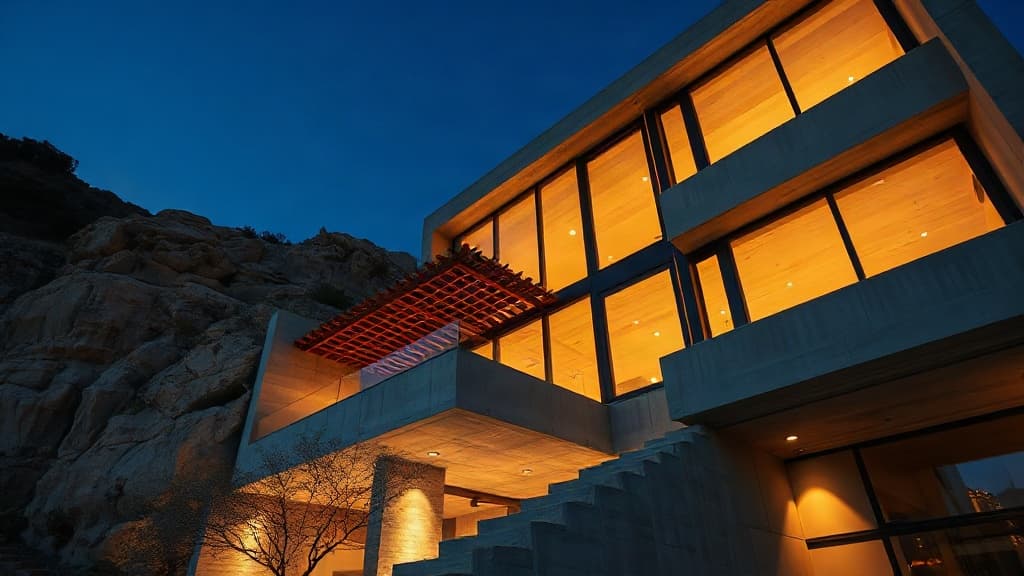
Where Ideas Take Shape: Finding Design Inspiration in the Built World
Architecture doesn't exist in a vacuum. This piece explores how real-world forms, from canyon cliffs to village squares, become the foundation for extraordinary homes.
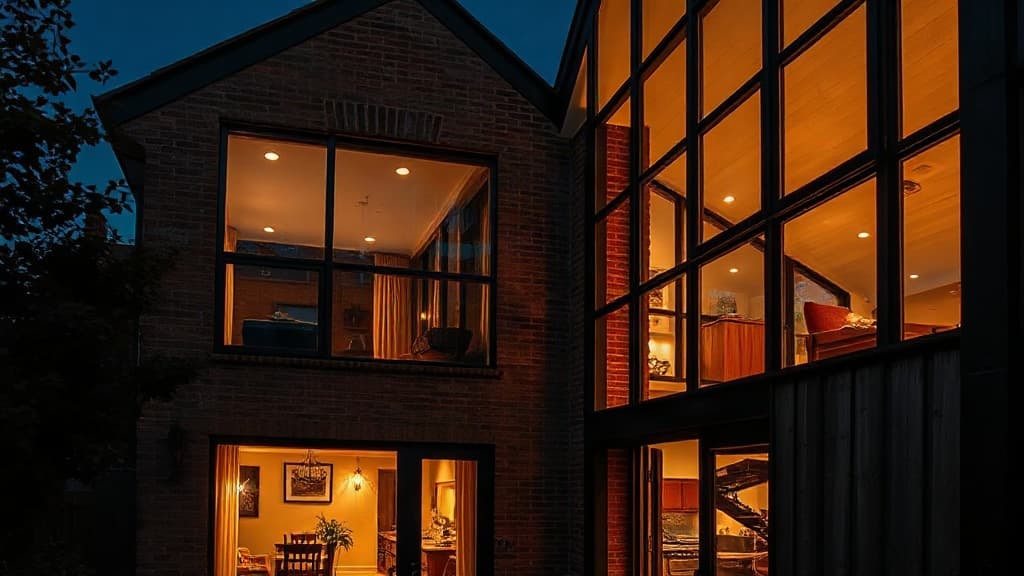
Your Blueprint for Clarity: Practical Architecture Tips Before You Build or Renovate
Transform your home project from overwhelming to outstanding with these foundational, practical insights from architectural thinking. A guide for the decisive homeowner.