The Rituals of Dwelling: How Domestic Routines Sculpt Contemporary Form
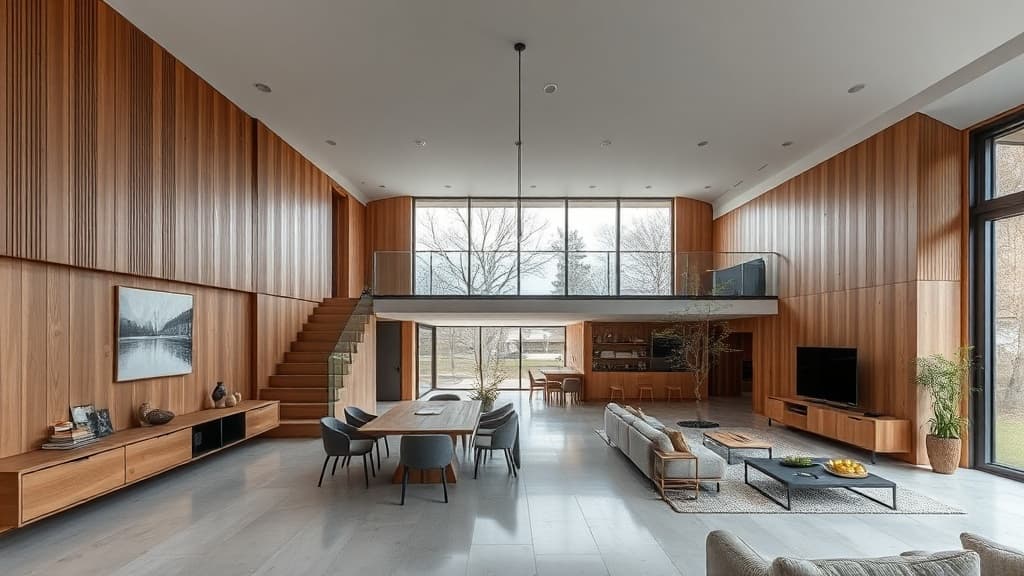
In an era captivated by architectural spectacle—towering icons and radical geometries—a quieter, more intimate conversation is taking place. It unfolds not in the city centre, but at its verdant periphery, within homes that have chosen a different muse: the humble, profound ritual of everyday life. This shift marks a pivotal recalibration, a return to architecture's most fundamental purpose: to shelter, support, and ennoble the human experience. The contemporary retreat is no longer a mere escape; it is a deliberate stage for living, where the architecture itself is choreographed by the routines of its inhabitants.
Consider the simple morning ritual: the path from bedroom to kitchen, the pause at a window to gauge the weather, the preferred corner for reading with morning light. In a design philosophy gaining resonance, these are not incidental occurrences but primary generators of form. Spatial sequences unfurl to accommodate these flows, not impede them. A corridor widens to become a sunlit gallery for a child's drawings; a staircase landing expands into a contemplative nook overlooking the garden; the kitchen island elongates to host both meal preparation and spontaneous conversation. The house becomes a narrative of its occupants' days, its walls and apertures shaped by the cadence of coffee brewing, creative work, shared meals, and solitary reflection.
This ritual-centric approach necessitates a profound dialogue with the site. Nature ceases to be a mere backdrop or view and transforms into an active participant in the daily script. The orientation of the house, the placement of windows, and the choice of materials are all dictated by a desire to intertwine interior life with exterior rhythms. Deep overhangs might frame the shifting afternoon sun, while a strategically positioned skylight can track the moon's passage across a bedroom ceiling. The boundary between inside and outside becomes deliberately porous, inviting the scent of rain-dampened earth, the sound of rustling leaves, and the quality of dappled light to become integral components of the domestic atmosphere. The garden is not just viewed; it is inhabited, its seasons marking time within the home.
Materially, this philosophy leans towards the elemental and tactile. Surfaces are chosen for their sensory qualities and their ability to age with grace, accruing the patina of lived experience. Raw timber, textured plaster, and honed stone speak a language of authenticity and warmth. This is an architecture of restraint, where beauty is found in proportion, light, and texture rather than ornament. It provides a calm, resonant container for life, minimizing visual noise to allow the rituals—and the people performing them—to take centre stage.
For our industry, this represents more than a passing trend; it is a meaningful corrective. It challenges the primacy of the 'iconic' and re-engages with architecture's empathetic core. It asks designers to listen—to the client's habits, to the site's whispers, to the quiet needs of the body and spirit. The resulting homes are deeply sustainable, not only in their environmental performance but in their emotional longevity. They are adaptable, personal, and profoundly connected, offering a potent antidote to the alienation of generic, spectacle-driven design. In championing the poetry of the everyday, this movement reminds us that the most significant architecture is often that which feels indispensably, quietly right—a home sculpted not by a signature style, but by the gentle, persistent hand of life itself.
Read Also
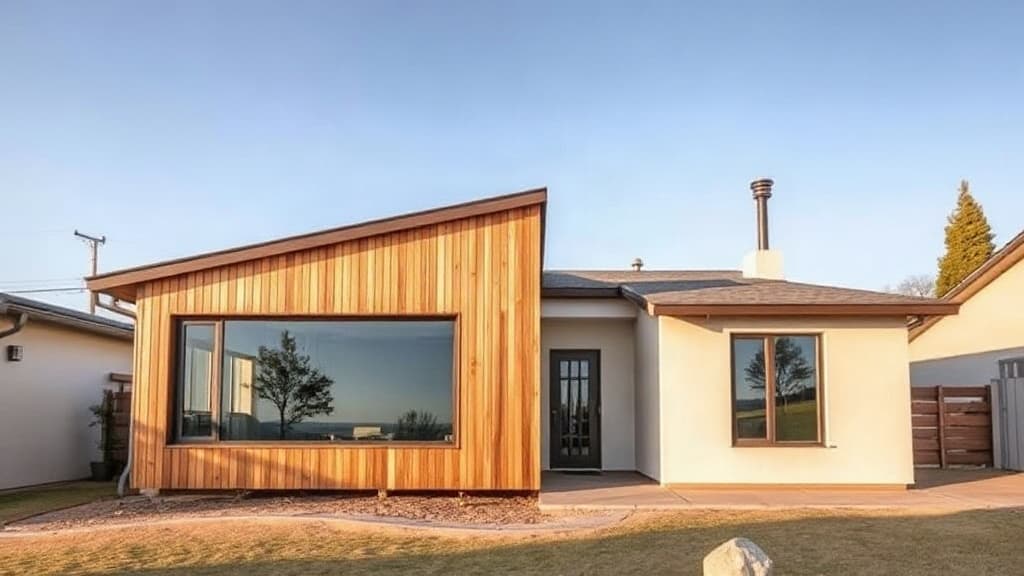
10 Modern House Exterior Design Ideas You Can Use
Ten specific ideas for modern house exteriors, covering materials, forms, and details. Get concrete advice you can apply to your own project.
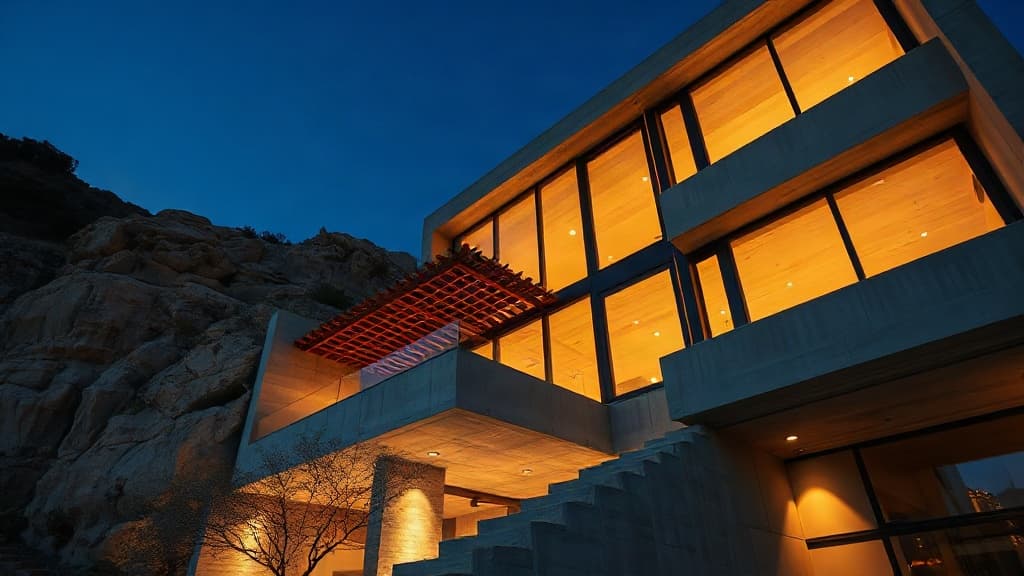
Where Ideas Take Shape: Finding Design Inspiration in the Built World
Architecture doesn't exist in a vacuum. This piece explores how real-world forms, from canyon cliffs to village squares, become the foundation for extraordinary homes.
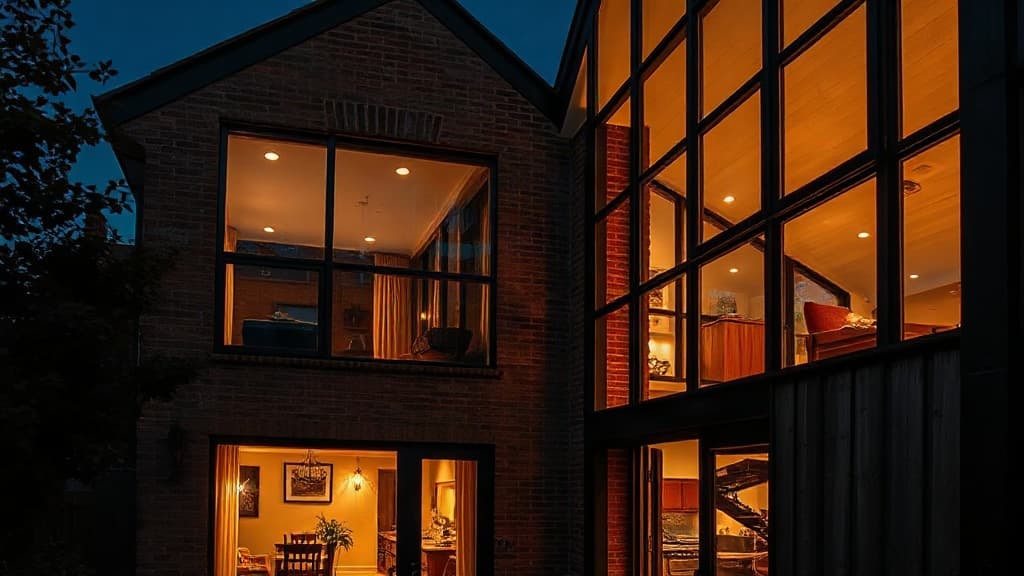
Your Blueprint for Clarity: Practical Architecture Tips Before You Build or Renovate
Transform your home project from overwhelming to outstanding with these foundational, practical insights from architectural thinking. A guide for the decisive homeowner.