Design
The Silent Dialogue: How Materials Whisper to Light
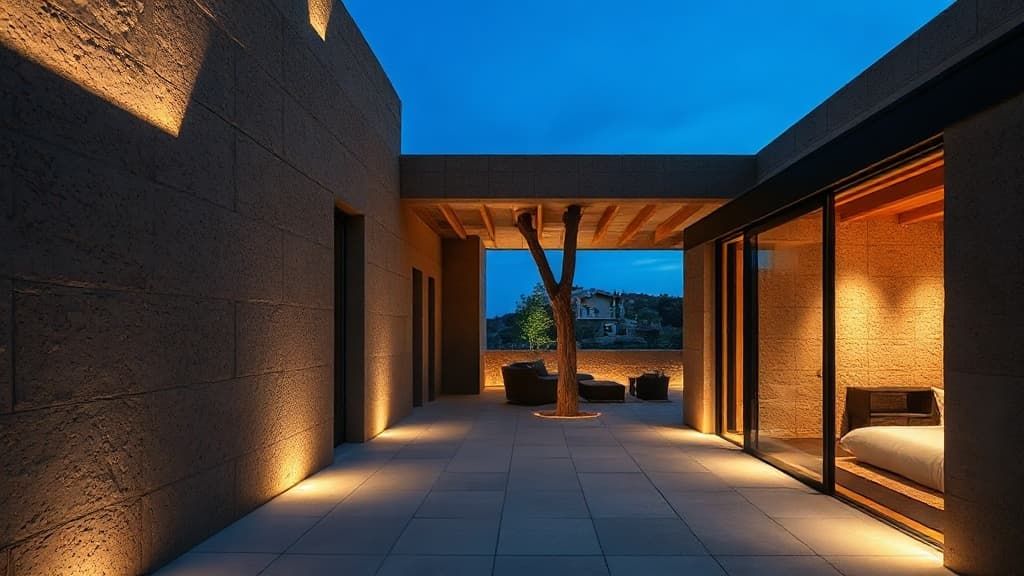
In the realm of interior design, three elements hold the power to sculpt not just space, but experience: materials, light, and the meticulous detail that binds them. This trinity forms a silent dialogue, where each component speaks through and for the others. It is not about isolated features, but about the relationships they forge—a dance between substance and shadow, texture and tone. When orchestrated with intent, this dialogue elevates a room from a mere arrangement of objects to a resonant environment that engages the senses and the soul.
Consider materials not as inert selections from a palette, but as active participants in a play of light. A honed limestone wall will not merely reflect light; it will soften and diffuse it, casting a gentle, lunar glow. In contrast, a slab of polished terrazzo becomes a canvas for sharp, dynamic reflections, animating a space with energetic sparkle. The choice of a fabric—whether a nubby linen that absorbs illumination or a lustrous silk that scatters it—directs how light moves and feels. This is where materiality transitions from a tactile quality to an atmospheric one. The grain of wood, the veining of marble, the hand-thrown irregularity of ceramic tile: these are the details that catch light unpredictably, creating moments of visual interest and depth that flat, homogeneous surfaces cannot achieve.
This conversation reaches its apex in the interplay of detail and illumination. Architectural detailing—a recessed cove, a precisely carved groove, a strategically placed reveal—becomes a choreographer for light. It is in these minutiae that light is captured, channeled, and given form. A thin line of light grazing a textured plaster surface can articulate its topography, revealing peaks and valleys unseen in uniform brightness. Conversely, shadow is not merely the absence of light; it is a design material in itself, cast by details to define volumes and create mystery. The shadow cast by a floating shelf, the dappled pattern through a perforated screen, the elongated silhouette along a fluted wall—these are the punctuation marks in the visual sentence of a room.
Ultimately, mastering the silent dialogue between materials, light, and detail is about cultivating atmosphere. It moves beyond functional lighting schemes and surface selection into the realm of sensory composition. The goal is to create spaces that feel intentionally crafted, where light doesn't just fall upon materials but reveals their inherent character, and where details are not afterthoughts but essential conductors of mood. To continue exploring this foundational interplay, [see more Interiors stories](/interiors/lighting-materials).
Read Also
Feature
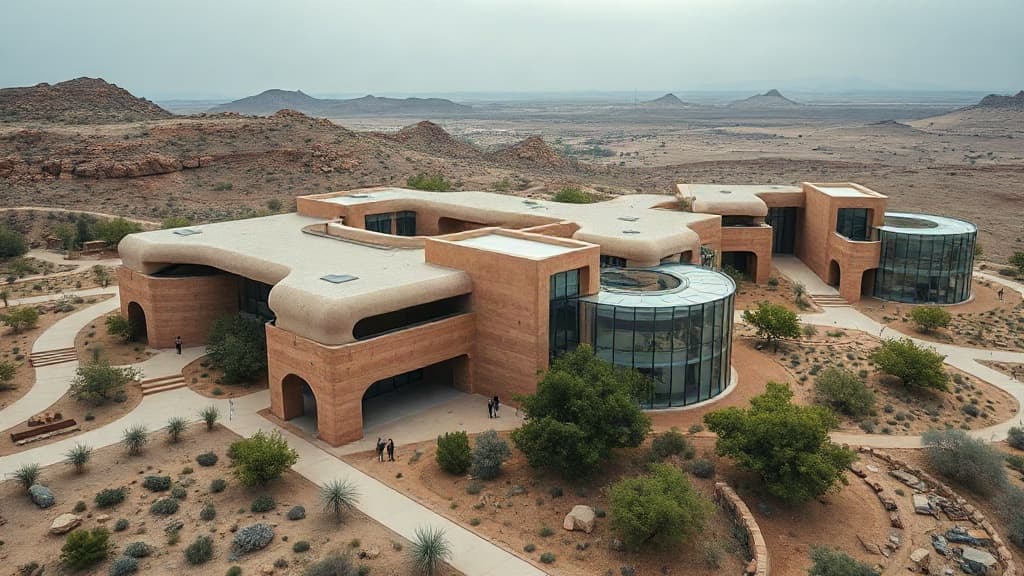
From Urban Plazas to Verdant Corridors: Where Vision Meets Public Need
Exploring how groundbreaking public landscapes draw inspiration from their surroundings and serve as dynamic, real-world classrooms for designers.
Guide
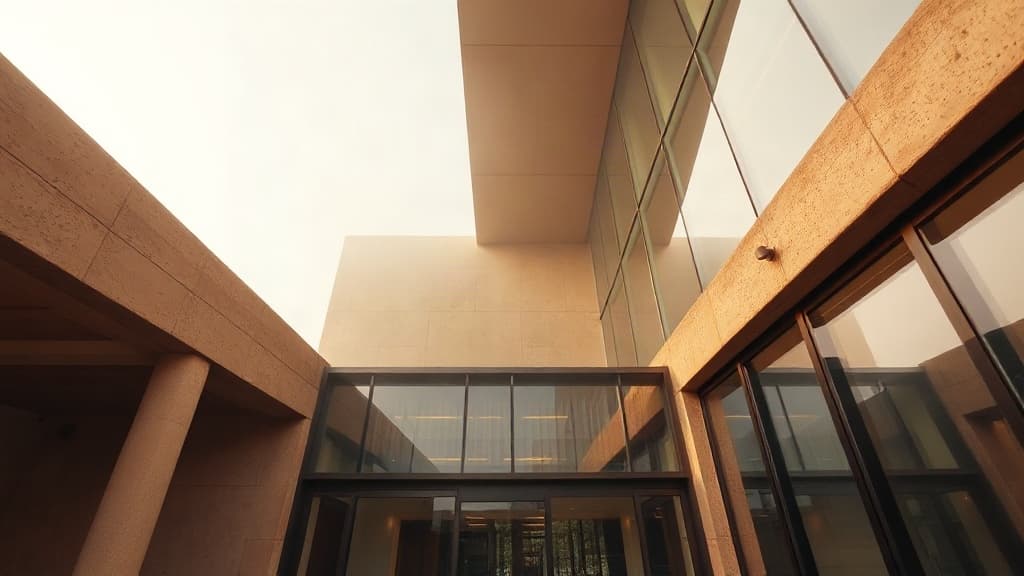
Everyday Landscapes: How Public Design Principles Can Transform Your Home
Great public spaces aren't just beautiful; they're practical. We reveal their design secrets to help you craft a more functional and inviting home.
Feature
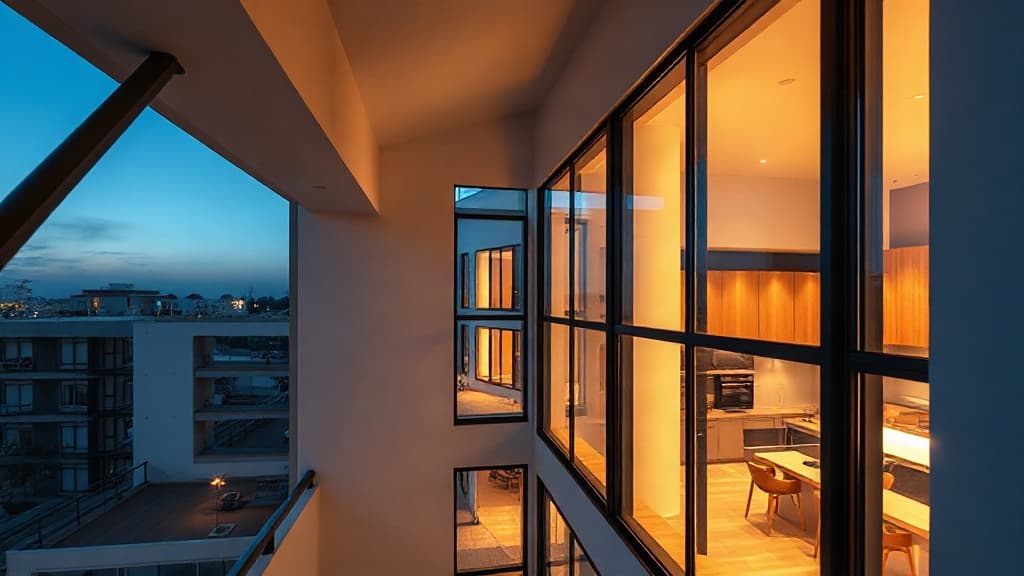
The Public Tapestry: Weaving Place with Material, Light, and Craft
How the intricate interplay of substance, illumination, and meticulous detail transforms shared landscapes into profound civic experiences.