Feature
The Stage of Civic Life: How Public Landscapes Shape Community and Connection
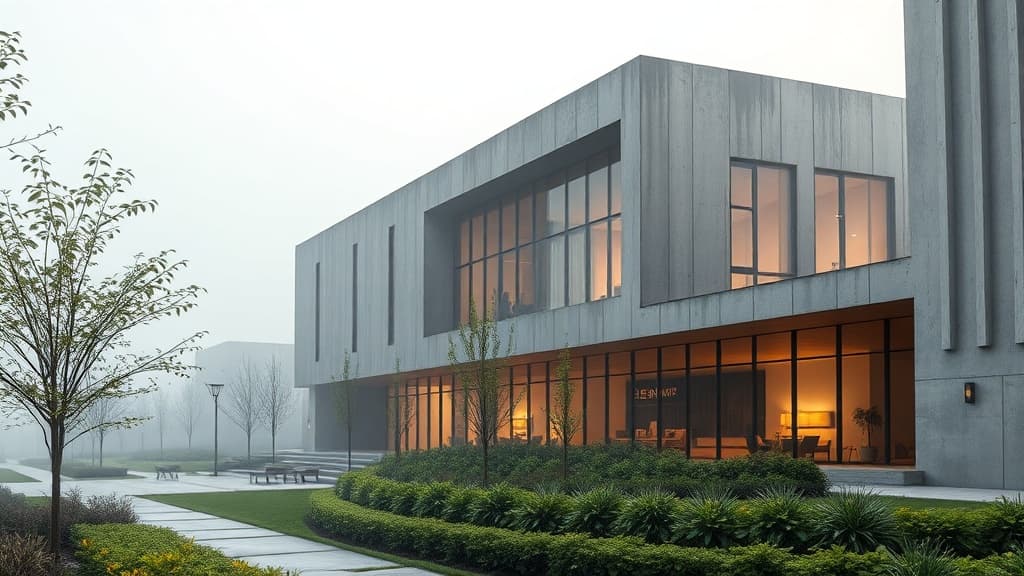
In the discourse of architecture, public and landscape projects hold a distinct and profound space. They are not merely constructions but the very stages upon which civic life unfolds. Unlike private domains, these spaces—parks, plazas, waterfronts, and civic squares—are defined by their invitation to all. Their success is measured not in square footage or property value, but in the quality of human experience they nurture, the ecological systems they support, and the cultural identity they embody. This overview delves into the core design principles that transform open land into meaningful public realm, where design serves as a silent curator of community.
At the heart of any significant public landscape lies the principle of **Social Catalysis**. The design must actively encourage interaction, gathering, and diverse use. This moves beyond mere aesthetics to a deep understanding of human behavior. It involves creating a gradient of spaces: active zones for markets or performances, contemplative niches for solitude, and flexible areas that can be claimed by children playing or friends conversing. Tactical elements like movable seating, responsive water features, and varied topography empower the public to become co-authors of their experience. The goal is to design not a static picture, but a framework for life—a place that feels equally inviting at dawn for a jogger, at noon for office workers, and at dusk for families.
Running parallel is the imperative of **Ecological Stewardship**. Contemporary landscape architecture is inextricably linked to environmental responsibility. This principle mandates designing with the native ecology, not against it. It involves sustainable water management through bioswales and rain gardens, the selection of resilient native plantings that support local biodiversity, and the remediation of brownfield sites to create new ecological value. The landscape becomes a living system that cleans air, manages stormwater, mitigates urban heat islands, and educates the public on natural cycles. This seamless integration of ecosystem services ensures the project's longevity and reduces its civic maintenance burden, making beauty and function ecologically inseparable.
Ultimately, these principles converge to forge a **Civic Legacy**. A great public space tells a story about its place. It respectfully engages with historical layers, reflects local materials and cultural practices, and creates a unique and memorable character. This sense of place fosters pride, ownership, and a shared identity among citizens. It transforms a location from a coordinate on a map into a beloved landmark—a cornerstone of collective memory. For those inspired by the transformative power of such spaces, our archive offers deeper dives into specific projects and visions [see more Architecture stories](/architecture/public-landscape).
In conclusion, the architecture of public landscapes is a discipline of profound generosity. By championing social catalysis, ecological stewardship, and civic legacy, designers craft the essential connective tissue of our cities. These spaces remain the most democratic of art forms, freely offering beauty, respite, and a vital sense of belonging to all who enter.
Read Also
Feature
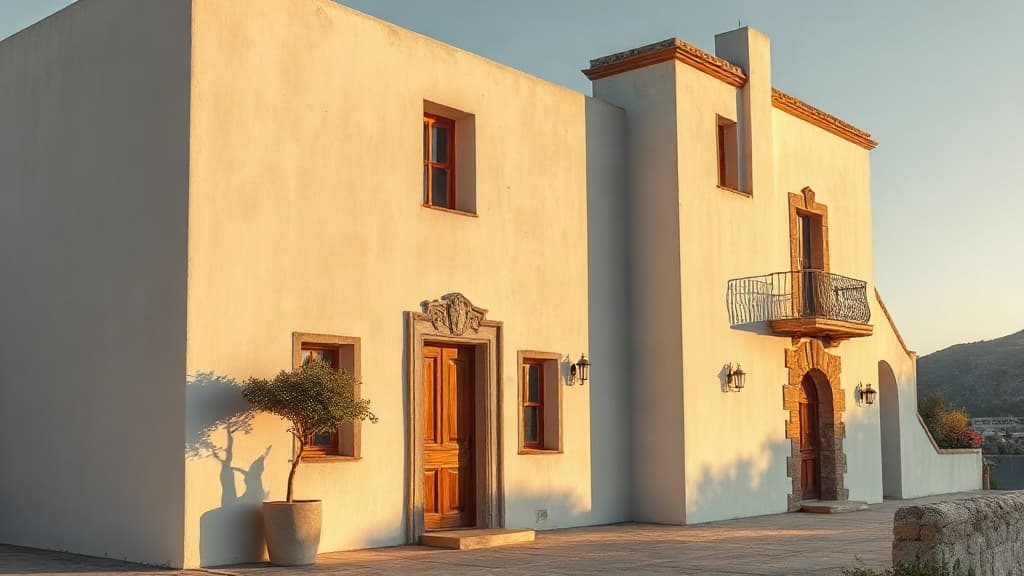
The Language of Space: How Materials, Light & Detail Speak
Architecture's most profound conversations are unspoken, conducted through the deliberate interplay of substance, shadow, and refinement. We listen in.
Feature
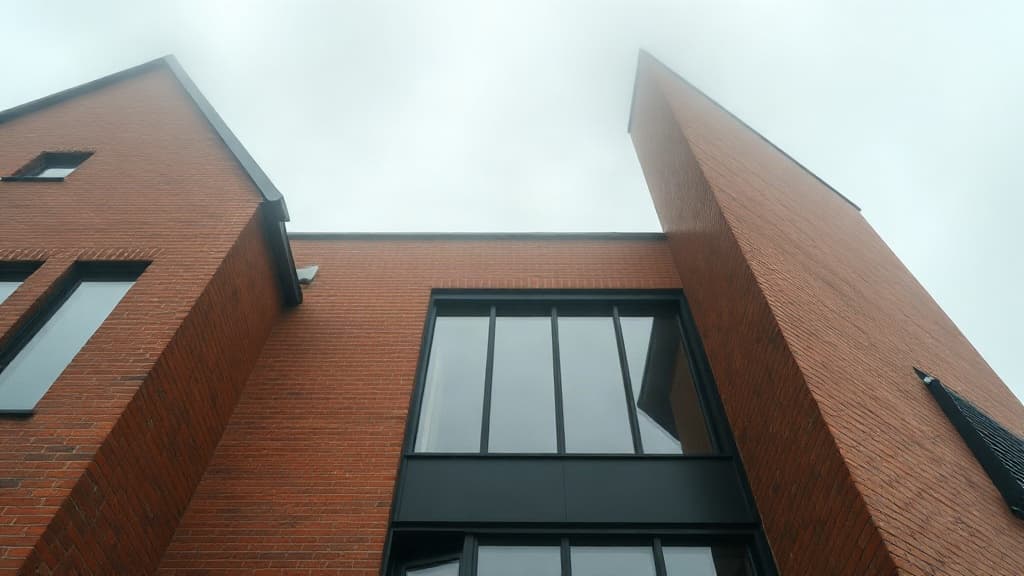
The Conversation Behind the Craft: What Experts Reveal in Archdeco Interviews
Moving beyond static showcases, Archdeco’s expert interviews uncover the foundational principles and philosophical dialogues that shape our built environments, revealing the thinking that makes spaces sing.
Guide
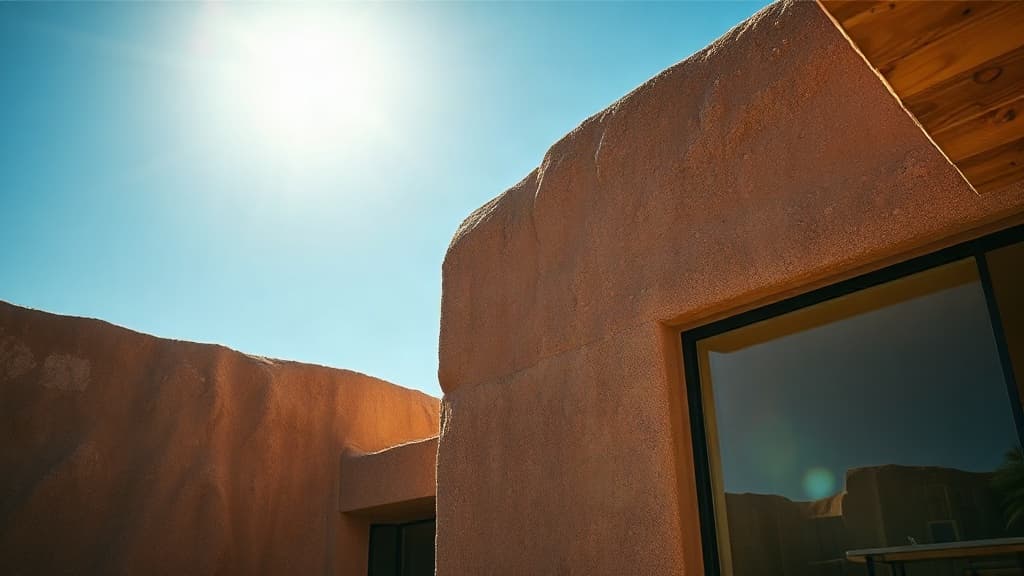
From Gallery to Living Room: Borrowing Design Confidence from Public Spaces
Discover how the bold confidence of museum galleries and boutique hotels can be distilled into practical principles for designing a home that feels both inspired and authentically yours.